Maintaining Smooth Surfaces With High-Quality Cement Products
Smoothed-out pathways, clean patio surfaces, and even driveways don’t just happen by chance. The secret behind polished finishes and long-lasting curb appeal often lies in what’s underneath. When the right base materials and techniques are used, you get a finish that’s not only practical but also visually appealing. And in hardscape work, that often starts with choosing the right kind of cement.
Whether you’re working on walkways, retaining walls, or a whole backyard upgrade, how well the surface holds up over time has a lot to do with the quality of cement used. High-quality cement products give structure and support to your hardscape features while helping everything stay where it’s supposed to. They also reduce the amount of work you’ll need later when it comes time for repair or resurfacing.
Choosing the Right Cement Products
There’s more than one kind of cement product out there, and they each serve a different purpose. Picking the wrong one could lead to cracks, uneven curing, or surfaces that wear down faster than they should. Cement is part of a much bigger picture in projects like patios, stone paths, and block walls. Start by thinking about what you’re building and how you expect it to perform over time.
Here are a few common types of cement-based products you might need:
– Portland cement: A staple for concrete mixes, often used for sidewalks, pads, and foundational work
– Masonry cement: Designed for brickwork, stone walls, and other mortar-based applications
– Plastic cement: Works well in stucco or repair projects because it creates a smoother surface
– Blended cement: Combines standard cement with additives to enhance strength, durability, or workability based on your climate or soil conditions
Each type has its own set of working times, curing requirements, and strengths. You wouldn’t use masonry cement for pouring a slab because it lacks the necessary structural features, just like you wouldn’t use Portland cement as mortar, which needs flexibility and better bonding.
As you’re choosing, think about:
- The weight the cement will need to support
- If it’s going to be exposed to heavy water, direct sun, or freeze-thaw cycles
- The tools you’ll be using and how easy you need it to be to spread, pour, or pack
A smooth, strong surface starts with knowing exactly what you want it to do and picking the right product that gets the job done. If a homeowner is laying a new garden path that winds through a backyard, for instance, they’ll benefit from a combo of cement that provides both structure below and flexibility up top to hold decorative stone or brick in place.
Making the right call early on saves time, frustration, and repeat work down the line. Recognizing the differences between cement types makes it a lot easier to achieve a surface that not only looks great but stays that way.
Application Techniques for Smooth Surfaces
Now that you’ve picked the right cement, it’s time to think about how you’re going to apply it. Getting a smooth surface doesn’t happen without proper planning. Whether you’re resurfacing a patio or laying a new sidewalk, you’ll want your finished product to be both clean and durable.
Start by making sure the base is solid. A good foundation supports your cement layer and keeps it from shifting or cracking over time. Level out the area, remove debris, and compact the soil well. If you’re working over an existing surface, make sure it’s clean and free from oils or residues that could prevent the cement from sticking.
When you’re ready to mix, follow these steps:
– Mix thoroughly: Keep the mixture consistent and lump-free by following the instructions on the packaging. This helps achieve a uniform texture and strength during curing
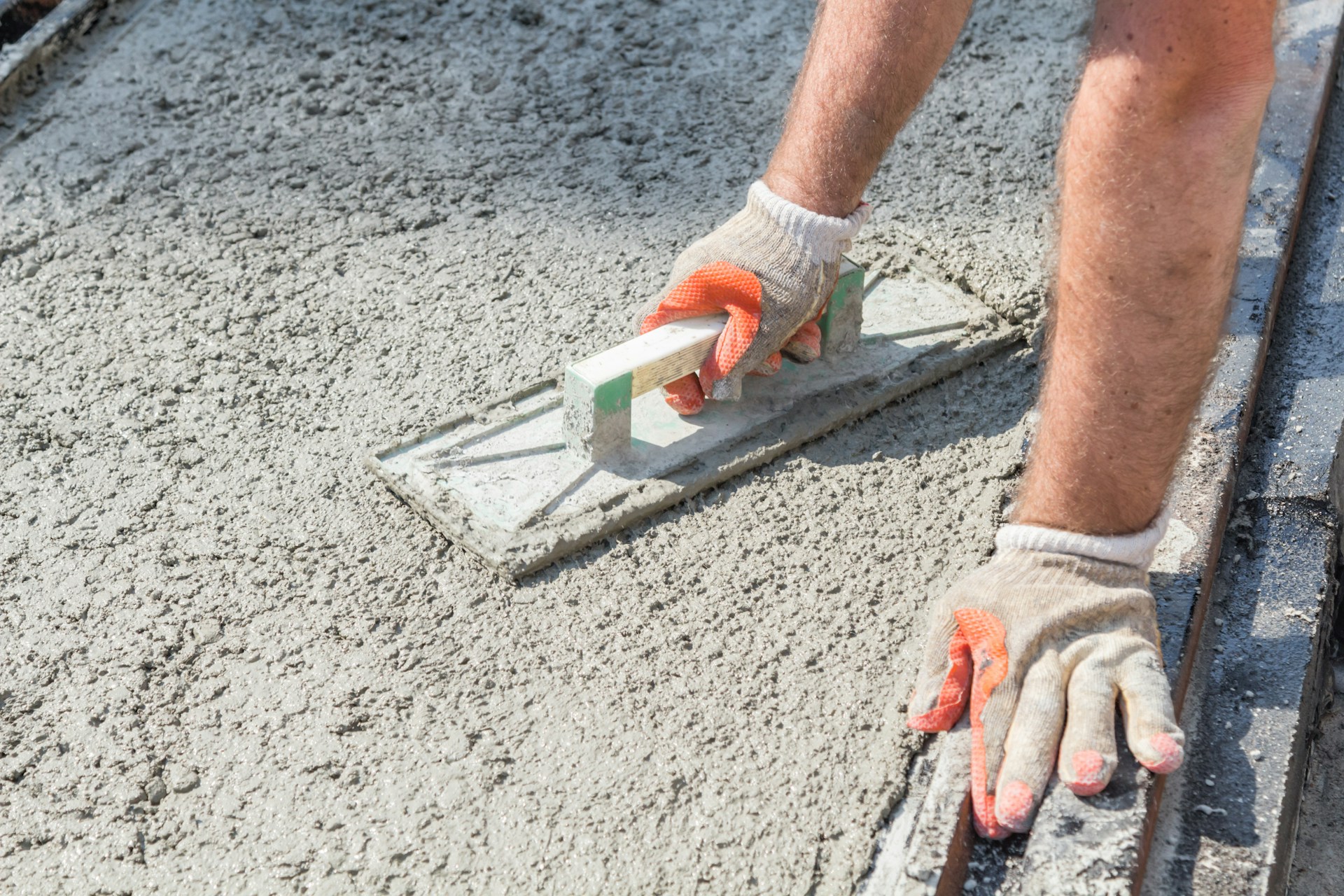
– Apply carefully: Pour the mixture slowly, spread it with a float or trowel, and make sure it’s level before it starts to set
– Smoothing and finishing: Use a trowel for a polished finish or a broom finish if you want extra traction, especially for areas that will get wet
Each technique takes some practice, but the results are worth it. Keep in mind, curing is just as important as application. Moisture helps prevent early cracking, so lightly spray the finished surface if conditions are dry.
Common Issues and Solutions
Even when working with quality cement products, things don’t always go smoothly. Catching problems early can save time and money down the road. Here are a few common issues and how to prevent or fix them.
1. Cracks: These often result from rapid drying or movement underneath. Keep the cement moist during curing and check that the base is solid and compacted
2. Surface imperfections: Bubbles or uneven spots usually come from poor mixing or rushed application. Avoid this by sticking to proper mixing ratios and taking your time with the process
3. Discoloration: This often shows up when batches dry at unequal rates or have inconsistent water content. Mix well and apply evenly to help avoid blotchy or uneven tones
Being aware of these potential setbacks helps you stay a step ahead. Most of these problems are preventable with attention to detail and consistent work habits.
Maintenance Tips for Long-Lasting Quality
Even the best cement work requires some upkeep. A few quick steps each season can help make sure your surfaces last for years and look great the whole time.
– Regular inspection: Keep an eye out for any chips or small cracks. Fixing these early can stop bigger issues from developing
– Clean surfaces: Washing or sweeping away dirt and leaves keeps the texture looking good and prevents stains or mold growth
– Apply sealants: Using a sealant helps protect the cement from weather, traffic, and moisture. It also gives it a nicer appearance and makes cleaning easier
Taking the time for basic maintenance can really pay off. It doesn’t need to be complicated or time-consuming. Just staying on top of things helps ensure your hardscape surfaces remain in top shape.
Transform Your Outdoor Space with Mr. Pavers
Creating a durable and smooth surface begins with smart choices and attention to detail. By picking the right type of cement, applying it correctly, addressing small problems early, and doing regular upkeep, you can count on surfaces that will last through the seasons.
Mr. Pavers offers a wide selection of high-quality cement products that are made to support a variety of landscaping and hardscaping needs. Whether you’re planning a small pathway or a large backyard project, our team is here to help you get it done right.
Elevate your outdoor projects with quality materials that stand the test of time. At Mr. Pavers, we understand the importance of choosing the right materials to bring your vision to life. Our selection caters to a wide range of needs, ensuring durability and aesthetic appeal in every project. Explore our curated collection of cement products today and let us help you create the perfect foundation for your next outdoor masterpiece.