Using Stone Material For Decorative Garden Borders
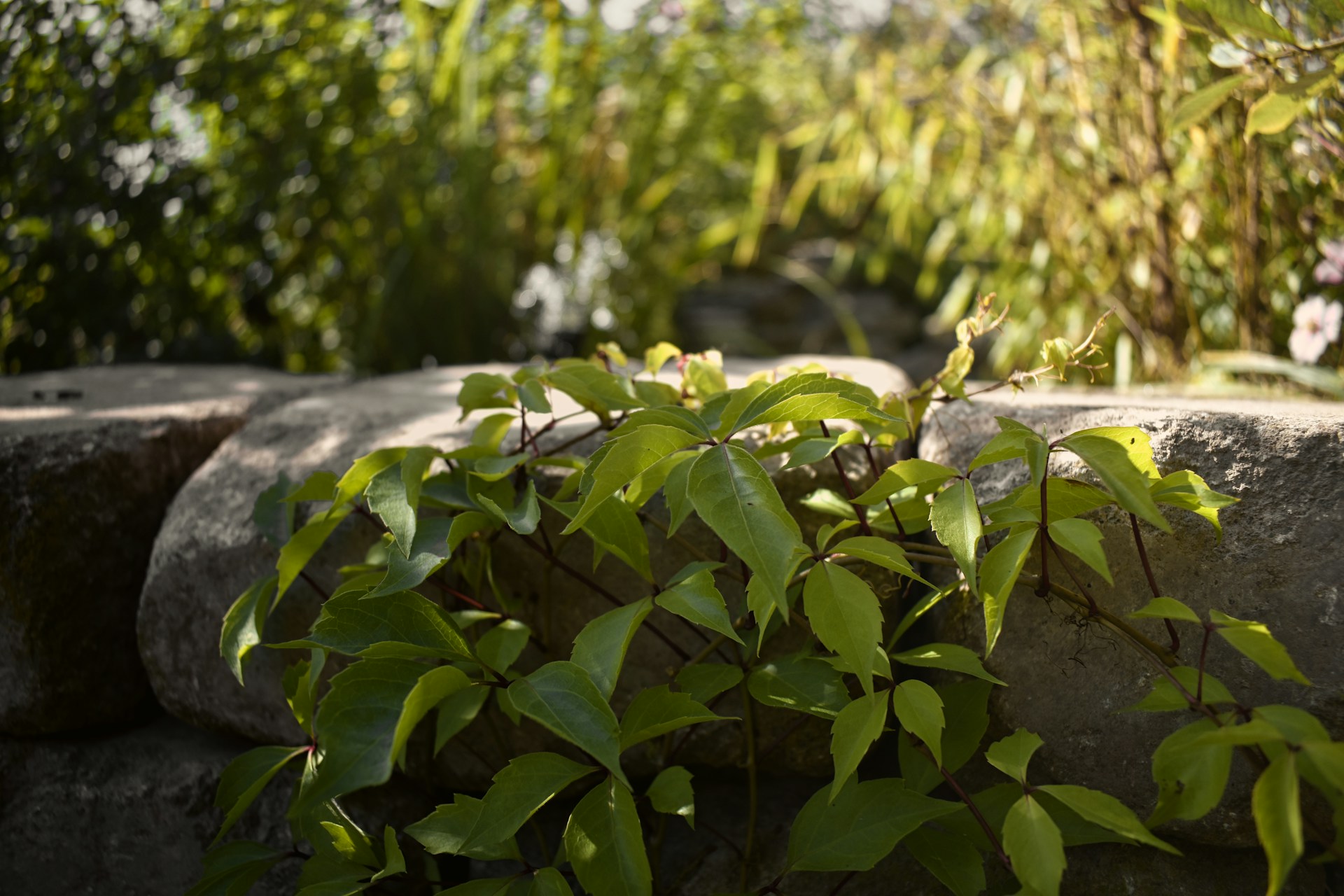
Garden borders do more than just separate spaces. They shape the look and feel of your outdoor area. Whether you’re outlining flower beds, lining a pathway, or framing a lawn, the right border makes everything look more finished and thought out. Stone material, in particular, gives garden borders that natural, grounded feel that works with just about any style. From classic to rustic or modern, stone fits in and helps keep the structure looking balanced.
Using stone for garden borders also brings function into focus. It helps control soil, keeps mulch where you want it, and prevents grass from creeping into your beds. A well-laid stone border can even help with water drainage and make mowing easier. So, while it adds to the beauty of your garden, it’s doing some practical work quietly in the background. If you’re thinking about adding or updating borders this summer, stone is a dependable material choice with a look that lasts.
Benefits of Using Stone Material
Choosing stone material for garden borders isn’t just about curb appeal. It’s a smart move for anyone looking for long-term value and low effort once it’s in place. Stone handles changing weather well, holds shape over time, and doesn’t need much attention. That reliability makes it a good fit for different outdoor setups, no matter how big or small your yard is.
Here are some reasons why stone borders are worth considering:
– Long-lasting – Stone doesn’t rot, warp, or break down like wood or softer materials.
– Stays put – Once placed properly, stone tends not to shift easily. That means less repair work later.
– Looks good all year – Whether it’s hot and dry or cool and rainy, stone holds color and keeps your garden edges sharp.
– Blends with nature – It doesn’t stick out but adds to the overall look of the garden without stealing attention.
– Low upkeep – No sealing, painting, or frequent cleaning needed. Just a quick rinse now and then.
Stone also gives you room to play around with different shapes and textures. Whether you’re going for a sleek row of stacked pieces or a loose scatter of natural rocks, the options are open. For example, someone with a wildflower-style garden might use split limestone chunks to match the easygoing vibe, while another person might prefer clean-edged concrete pavers for a tight, modern line. Either way, stone delivers both strength and charm.
Types of Stone Materials for Garden Borders
There’s more than one kind of stone out there, and each has its own vibe and benefits. Choosing the right type depends on your budget, your garden’s style, and how permanent you want the setup to be. Some people like simple pavers that snap into place, while others want heavier natural stone that feels more settled.
Common options include:
1. Natural Stone
These are pulled straight from the earth and keep their irregular shapes and textures. Granite, limestone, fieldstone, and sandstone all fall into this group. These stones often feel more rustic and slightly uneven, giving your garden an organic edge.
2. Manufactured Stone
Concrete pavers, bricks, and cast stone blocks land here. These are shaped to be more uniform and stack easily. They’re great when you’re after a sleek or symmetrical look.
3. Recycled Stone or Eco-Friendly Options
Pieces left over from construction or reclaimed materials are worth a look too. They give a second life to materials that would otherwise be tossed. Plus, they come with a bit of character baked in.
Understanding what each type offers can help steer the whole project. Natural stone takes a bit more effort to place but gives a timeless look. Manufactured varieties are often easier to line up and come in predictable sizes, making installation simpler. Recycled stone, while less uniform, brings a lot of texture and uniqueness that’s hard to plan. Sometimes that’s exactly what your landscape needs.
Step-by-Step Guide to Installing Stone Borders
Bringing stone borders to life in your garden starts with a solid plan. The first step is figuring out how you want the borders to look and function. Are you lining a winding path, separating a flower bed from grass, or just wanting to add a bit of flair to your space? Once you know what you want, grab some paper to sketch the outline. Consider shapes, lengths, and any curves needed. Having a picture in your mind and on paper can guide the whole process.
After designing, it’s time to get your hands dirty. Prepare the spot by clearing away any existing borders or debris and ensure the ground is even. If you’re dealing with grass, remove a strip of sod to place your stones. Dig a shallow trench along where the stones will sit, making sure it’s level. This bit of preparation means your stone stays put and looks tidy. Now, lay your chosen stone along the trench. For a tighter fit, you might need to trim or shape some stones using a chisel.
Once the stones are in position, fill gaps with smaller stones or gravel for stability and a polished appearance. Finally, check each stone with a level to ensure a uniform look. Give it all a once-over for stability. After that, the stones are good to go. A light brushing off may be needed for dirt or dust.
Creative Ideas for Stone Garden Borders
You can do quite a lot to personalize stone borders, making them as unique as your garden. Mixing different stone types or colors creates visual interest and rhythm. For example, blending large flat stones with small, round river rocks turns an ordinary border into a striking garden feature.
Look beyond edges. Stones can also be used to create seating areas or planters along the borders. Imagine a neat stone seat under a shady tree, inviting you to relax and enjoy your handiwork.
Plants add a burst of life next to sturdy stone borders. Consider integrating low-growing herbs or flowers like lavender or sedum next to them. These spots of color soften the stone’s look. Varying plant sizes, shapes, and hues can accent the stone’s color and texture while attracting butterflies or bees to your garden.
Keeping Your Garden Borders Looking Great
Maintaining stone borders is pretty straightforward. Regular check-ups keep them in top shape. Make it a habit to inspect the stone for any shifts, especially after heavy rain. Cleaning just takes a quick brush or gentle wash with a hose to remove any dirt. If weeds pop up, pull them out before they settle in and cause stone displacement.
Erosion can sometimes be an issue. Placing a bit of soil behind the stones or adding mulch can prevent soil from washing away during storms. In areas with extreme weather changes, ensure the stones withstand these shifts. During seasonal changes, make tweaks as needed to keep the garden evolving smoothly. Regular upkeep keeps your garden looking fresh, inviting, and orderly year-round.
Enhancing Your Garden with Stone Borders
Stones have stood the test of time in gardens, and it’s easy to see why they’re a trusted choice for borders. They combine practical strength with understated charm, able to lift the design of any outdoor space. The way stone interacts with other garden elements, such as plants, pathways, or water features, can create a calm and inviting setting.
Exploring the range that different stones provide can lead to results that speak to your personal style. Whether you go for something clean and neat or more rough and natural, stone borders fit the theme. Using stone lets creativity shine, helping you shape a yard that you’ll enjoy every day. A project that begins with functionality often ends up as a clear design highlight. That’s the quiet power of stone.
Transform your garden into an inviting outdoor haven with a touch of elegance and natural charm by using stone material. Whether you’re refreshing a corner of your yard or building out a full landscape plan, the right materials make all the difference. Mr. Pavers is here to support your projects with dependable supplies and helpful advice to bring your ideas to life.