Creating A Stable Foundation With The Right Base Materials
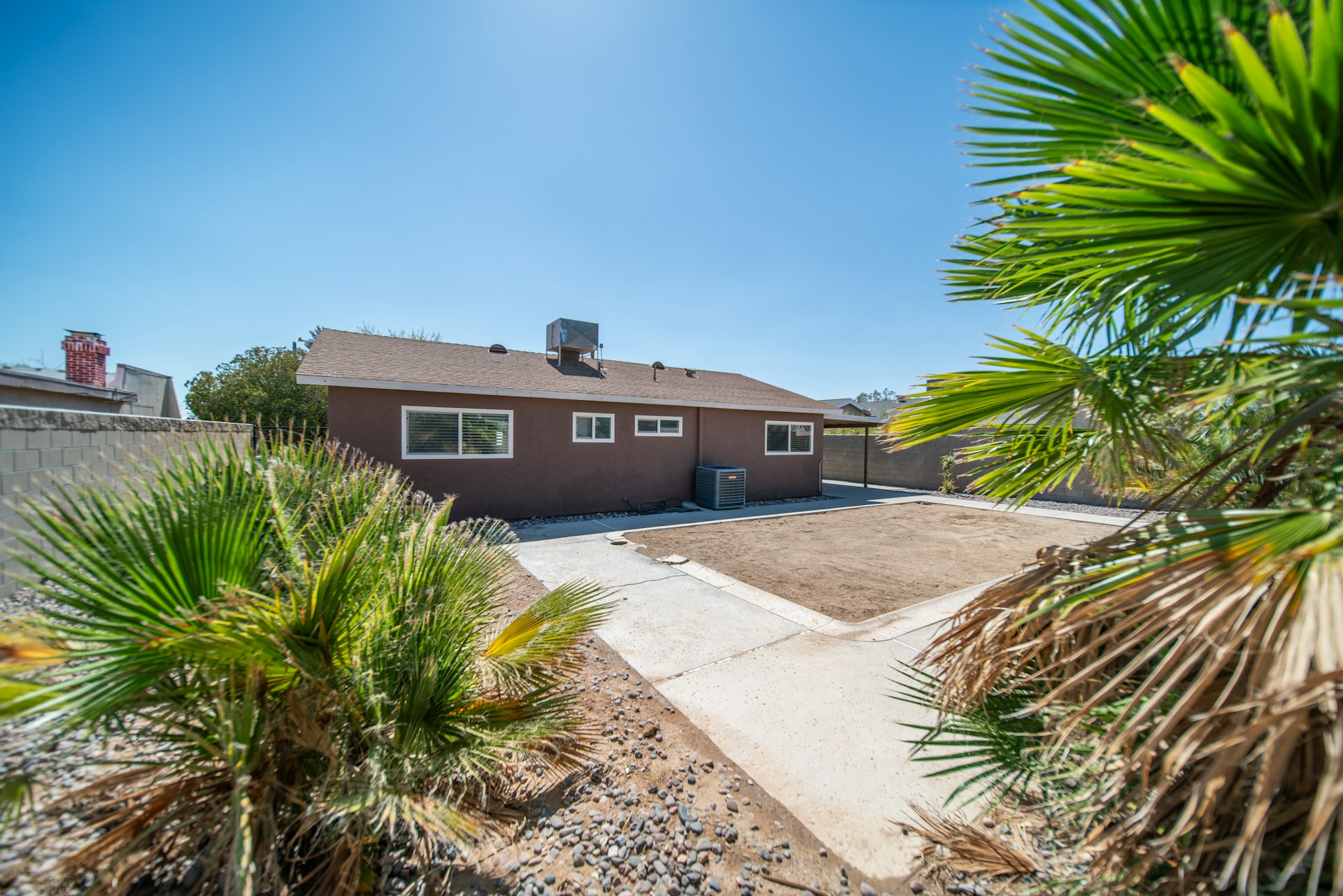
Every strong structure or lasting landscape starts with a solid base. Whether you’re planning to install pavers, build a walkway, or lay down a patio, everything relies on what’s underneath. A stable foundation prevents sinking, cracking, and shifting, which saves a lot of time and repair work later. It gives the project the support it needs to hold up under weight, traffic, and weather.
That’s why using the right base materials is so important. Not every material works for every situation, and knowing when and where to use them makes a big difference. Homeowners and contractors both benefit from understanding the basics. Building on a strong base isn’t just for looks—it’s what keeps paths smooth, patios level, and garden features from shifting out of place.
Why A Stable Foundation Matters
It’s easy to focus on the finished look of a project, but the real work starts before that first stone or brick is laid. A poor foundation can lead to cracks in pavers, dips in driveways, and soil that washes out over time. Even the most beautiful designs won’t last if the ground below can’t support them.
Long-lasting outdoor spaces depend on how things are set up from the start. Here’s what can go wrong without a thoughtful foundation:
– Soil movement can cause uneven surfaces
– Pavers and stones may sink or tilt
– Water can pool or erode areas without proper base prep
– Plant beds lose stability and may not drain well
One example is a simple backyard patio that starts out level and smooth. But after a season of rain and foot traffic, without solid prep work underneath, the pavers start to shift. Furniture wobbles, puddles build up, and suddenly what was meant to be a low-upkeep feature becomes ongoing work.
When the foundations are steady, everything above becomes easier to maintain. You get better drainage, even surfaces, and less chance of repairs. Taking the time to build the base right means fewer surprises down the road.
Key Base Materials For Stability
The right materials make all the difference. There are several kinds of base products to choose from, and each one brings different benefits depending on the job. Picking the best mix based on your project’s type and site conditions helps ensure long-term success.
Here’s a breakdown of common base materials used to keep things strong and level:
1. Sand Aggregate
Sand aggregate is a mix of sand and finer stone particles. It’s often used when working with concrete or setting pavers. It compacts well and helps fill in small gaps in other base layers. Sand aggregate supports drainage and provides a steady surface for laying bricks or stone, but it must be combined with larger materials for deeper stability.
2. Crushed Stone
This material is one of the most common base layers. It’s made from rock that’s broken down into jagged pieces, which lock together when compacted. Crushed stone resists shifting under pressure and works well under driveways, walkways, and patio slabs.
3. Gravel
Gravels come in a variety of sizes and are good for improving drainage. Some types, like decomposed granite or pea gravel, can be used on their own for paths. Others are layered beneath other materials to provide better drainage and support. The key is choosing gravel with the right size and shape so it compacts well and stays in place.
4. Concrete Bases
When the job calls for extra strength, such as under heavy outdoor structures or in high-traffic spots, using a concrete base helps avoid future movement. It’s more permanent and costly to install, but can create a totally stable surface ready for layering with decorative materials.
Each of these materials has a purpose. Sometimes, using a mix of them works best, like having a layer of gravel for drainage, followed by a layer of sand aggregate for leveling. The goal is to build a base that won’t budge no matter what gets built on top.
How to Choose the Right Base Material
Picking the perfect base material isn’t a one-size-fits-all deal. It starts with understanding exactly what the project needs. First, consider the type of project you’re working on. A small garden path might not need the same depth of base material as a large driveway would require. The load-bearing needs are different for each, so keep an eye on how much weight the foundation must support over time.
Next, look at the soil conditions where you plan to build. Some areas have stable soil that doesn’t move much, while others might be prone to expansion or contraction based on weather changes. If the soil is too loose or sandy, you might need something heftier, like a concrete base, for extra support.
Comparing materials can save headaches later. Think about their specific strengths and weaknesses:
– Sand Aggregate: Good for drainage and getting a level surface but should be combined with other materials for depth
– Crushed Stone: Offers excellent stability and resists shifting; great for high-traffic areas
– Gravel: Perfect for improving drainage and filling larger spaces; choose the right size and type for the best results
– Concrete Bases: Ideal for heavy-duty requirements like under heavy structures or areas needing a super stable surface
Don’t be shy about reaching out to experts. They can give you tailored advice, taking into account the specific conditions of your construction site and the materials best suited for your project. Hiring professionals who understand the nuances of these materials can make all the difference between a shaky result and one that stands the test of time.
Tips for Proper Foundation Installation
Now that you know what materials to use, let’s dig into the installation process. Setting the stage correctly is key to a steady foundation. Proper site preparation is the first step. Ensure the area is clear, and level out the ground where you’ll be laying the foundation. This might mean removing existing grass, plants, or debris from the site to create a clean slate.
Here are some steps to follow:
1. Site Preparation: Clear and level the ground. Check for any high or low spots that might need adjustment. Remove any surface debris
2. Layering Techniques: For deeper stability, use a combination of materials layered on top of each other. Many successful projects start with a gravel layer for drainage, followed by a sand aggregate for leveling
3. Compaction Methods: Compact each layer thoroughly. Use special equipment like a tamper or a plate compactor to make sure the base is solid. This reduces the chance of shifting and settling over time
4. Ongoing Maintenance: Once your foundation is in place, keep an eye on its condition. Address any minor issues like small cracks or uneven areas before they turn into larger problems. Regular check-ups can help extend the life of your base
Building Your Dream Space on a Solid Base
Creating a remarkable outdoor space begins at the ground level. With proper planning and the right materials, you set the stage for lasting results. Stability in construction doesn’t just happen overnight. It’s built with careful preparation and thoughtful choices.
Investing time and energy into your foundation today means less worry and fewer repairs down the road. You can enjoy outdoor spaces that remain beautiful and functional for years to come, making every backyard gathering or quiet evening on the patio that much more enjoyable. Whether constructing a new path, driveway, or garden, your project deserves a foundation that promises peace of mind and durability in every season.
For a landscape that withstands the test of time, the foundation is just as important as the final look. Let Mr. Pavers help you lay the groundwork for success with premium materials and expert advice. Whether you’re using sand aggregate or another quality base, our selection of mason supplies can elevate your project from the ground up. Discover how we can assist you in crafting an outdoor space that remains stable and stunning for years to come.