Innovative Uses For Stone Material In Your Landscape
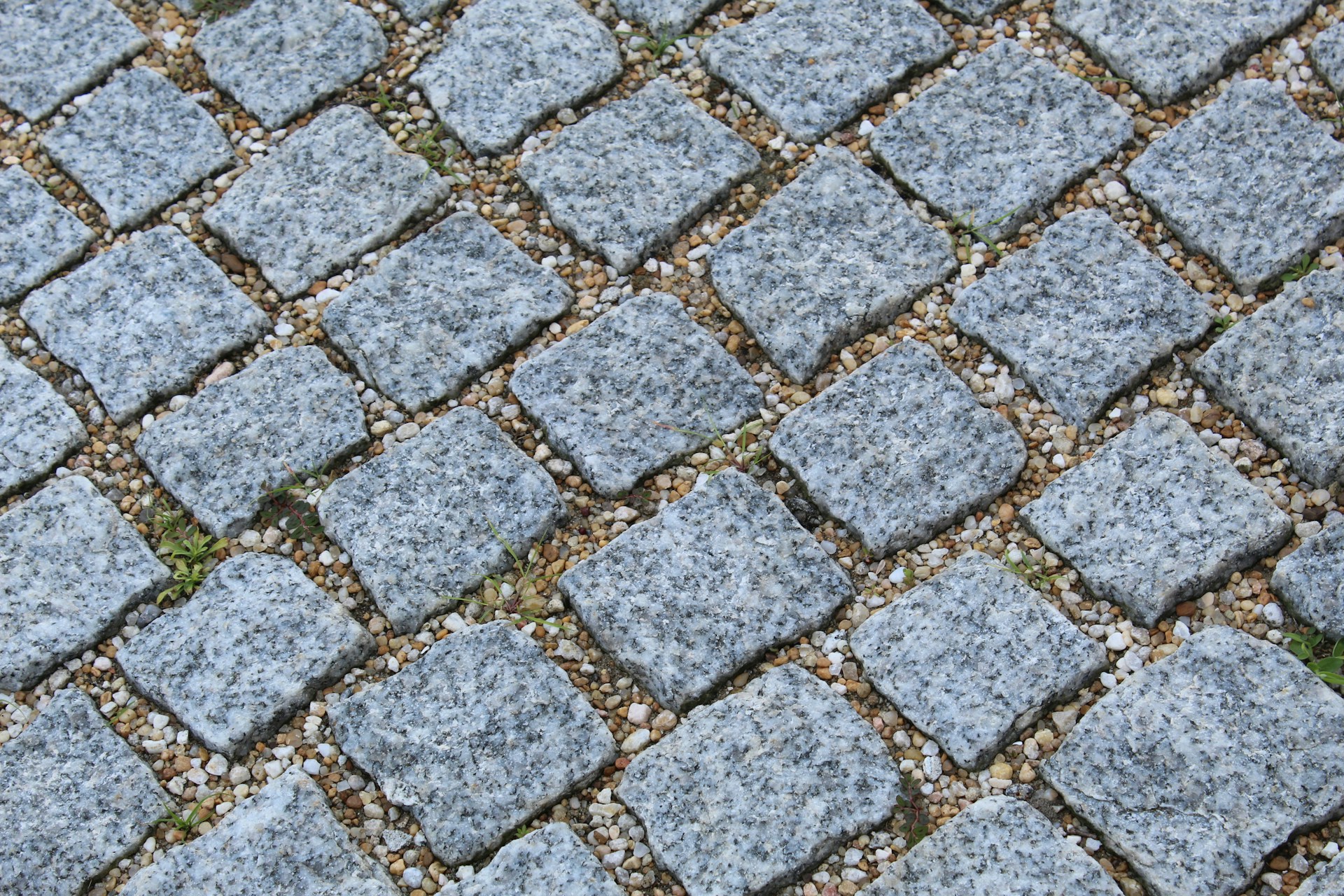
Stone material brings lasting beauty and function to any outdoor space. Whether you’re working with a small backyard or a wide open garden, stone offers texture, structure, and natural appeal that works with just about any style. People choose stone because it’s long-lasting, easy to care for, and stands up well to sun, rain, and foot traffic. It’s a solid choice, literally, that never feels too trendy or out of place.
What’s great is that stone can be used in some creative ways that go far beyond basic patios or edging. From peaceful walkways to bold garden features, there are plenty of smart ways to use stone material to improve how your landscape looks and works. If you’re looking to refresh your yard or build something new, these ideas show what’s possible with a little planning and the right types of stone.
Pathways and Walkways
Stone pathways do more than just get you from point A to B. They help shape the layout of your outdoor space and make it feel more connected. A well-placed path can guide the eye, draw attention to parts of the yard you want people to notice, and keep foot traffic off grass and soil that’s better left undisturbed.
Stone material is strong, so it won’t wear down easily or shift out of place when installed well. It doesn’t need much upkeep, which is always a plus. Rain won’t damage it, and weeds are easier to manage with the right base under the stones.
Here are a few ways to build walkways using stone:
– Flagstone steppers spaced out on gravel or mulch for a natural, casual look
– Tightly set pavers for a smooth, formal path that’s easy to walk on, even with bare feet
– Crushed stone or decomposed granite for a simple, quick-to-install trail that works well along garden beds or side yards
– Mosaic-style mixes of different shapes and colors to add style and personality to special areas like the entrance to a garden or fire pit area
If you want to make your walkway stand out, edge it with low plants or small boulders. This helps keep stones from shifting over time and gives it a finished appearance. It’s smart to think ahead about where people tend to walk and let the path follow that natural line rather than forcing it to go in a straight row.
Stone Raised Garden Beds
Raised garden beds are a smart way to add growing space, keep out pests, and create depth. When you build them with stone, they do even more. Stone beds stay neat-looking, won’t rot like wood, and can last for years with almost no care. They also hold heat longer, which can help warm the soil in cooler months and give plants an early boost.
A stone bed adds structure that can frame flowers, herbs, or vegetable gardens. You can build one bed or stack several tiers in spots with uneven ground. This gives you layers of growing space and catches the eye at the same time.
Some tips for working with stone beds:
– Use flat stones like limestone or sandstone for easier stacking
– Dry-stack for a simple look, or use mortar for a more permanent feel
– Keep the height between 12 and 24 inches for easy planting and weeding
– Curve the walls a bit to break up sharp angles and feel more natural
– Fill behind the walls with gravel at the base to help with drainage
One good example is using natural stone blocks to frame a herb garden near the kitchen door. It’s out of the way but still easy to reach, and the raised shape keeps the area tidy even after watering or a bit of digging.
A raised bed made with stone isn’t only useful. It becomes a real part of the design, adding depth and a sturdy weight that helps break up all the green in your yard. When planned right, it holds its own through every season.
Water Features with Stone
Water features turn any garden into a tranquil retreat. The soothing sound of flowing water creates a relaxing atmosphere, perfect for unwinding after a long day. With stone, you can craft unique features that enhance this peaceful feel. Stone blends seamlessly with water thanks to its natural look, and it’s perfect for creating stunning fountains or small ponds.
When building a water feature, consider using different stone sizes and shapes to add dimension. A bubbling fountain may pair well with smooth river stones, while a pond can have a border of rough-hewn rocks for a more rustic appeal.
To integrate these features, try these ideas:
– A tiered stone fountain with water cascading from one level to another
– Flat stones creating a stepping-stone path that appears to float across a shallow pool
– Bordering small ponds with various polished stones for a reflective surface that glimmers in the sunlight
Stone can also help to control water movement and direction, making it easier to maintain clean and clear water. Plus, these features not only attract humans but wildlife too, bringing in birds and perhaps even fish that add life to your outdoor space.
Stone Seating Areas
There’s something undeniably welcoming about a cozy stone seating area nestled into a corner of your garden. It invites guests to take a break and enjoy the scenery. Stone benches or chairs provide both a durable and great-looking option for outdoor seating. Plus, they require little to no maintenance once installed.
To design a seating area that blends seamlessly with your landscape:
– Position your stone benches under a tree or arbor for natural shade
– Use a stone table and chairs to create a patio-like feel for an outdoor dining space
– Arrange seating around a fire pit made of stone, offering warmth and comfort during cool evenings
These seating areas add quiet spots perfect for reading, chatting, or simply soaking in the surroundings. They not only serve a useful purpose but also become a striking feature within the landscape.
Decorative Stone Accents
To add character and spice up your landscape, consider incorporating decorative stone accents. This could be in the form of sculptures, rock gardens, or unique stone arrangements. These elements provide focal points that catch the eye and break up the monotony of plantings.
Consider these options when adding decorative stone accents:
– Stone sculptures that reflect the theme or style of your garden
– A rock garden using various colors and types of stone for contrast
– Stone edging for flower beds or pathways to provide a polished look
Placing these accents strategically can guide the viewer’s gaze and enhance the overall design. This approach not only highlights specific areas of your garden but adds a personal touch reflecting your taste.
Enhancing Your Landscape
With these innovative ideas, stone becomes a versatile tool in revamping your garden. Whether for practical paths or decorative accents, stone material improves the beauty and use of outdoor spaces while staying easy to maintain.
Stone can also connect your yard visually with its natural surroundings. By choosing the right types of stone and placing them well, you can create a space that feels both designed and organic. Stone elements stand up to time, add charm, and help your landscape come together with lasting impact.
Get ready to transform your landscape with timeless elegance and durability. Discover the endless possibilities of using stone for your next outdoor project with Mr. Pavers. Whether it’s a serene path, a structured garden bed, or a tranquil water feature, our premium materials are designed to enhance both aesthetics and functionality. Let us help you create a stunning outdoor space that stands the test of time.