Must-Have Construction Tools For Efficient Landscaping
Landscaping projects can be rewarding, but they’re rarely easy. One of the biggest things that separates a smooth project from a frustrating one is the kind of tools you’re using. Trying to shape and care for outdoor spaces with the wrong equipment can stretch timelines, wear you out, and lead to less-than-great results. Even tasks that seem simple like clearing out weeds or laying fresh gravel can turn into a hassle without the tools built to handle them.
The right construction tools aren’t just about convenience. They help you work safer, faster, and smarter. Whether you’re refreshing an old garden bed or building a new patio area, having the right gear makes everything run better. This article walks through some of the must-have tools that make landscaping more efficient and less frustrating.
Essential Hand Tools Every Landscaper Needs
Hand tools are the backbone of almost any landscaping job. They help you move soil, trim growth, smooth edges, and get into tight spaces that machines can’t reach. Whether you’re just planting a few shrubs or prepping a walkway, good hand tools help you get the job done right without draining all your energy.
Here are some go-to hand tools to keep in your toolkit:
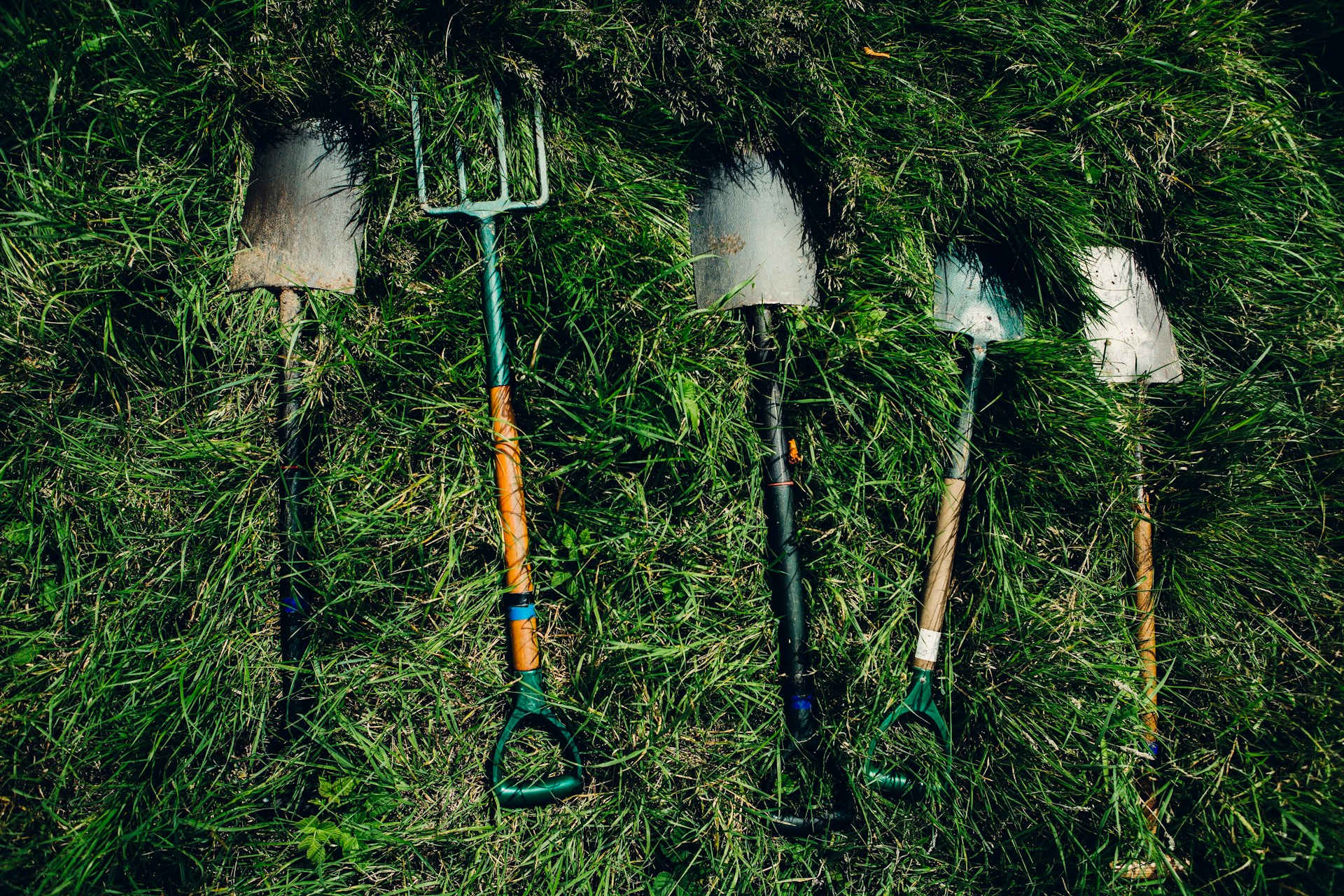
– Shovel: Great for digging holes for plants, moving dirt, or mixing materials like sand and cement. Go for one with a padded grip and a sturdy steel blade.
– Rake: Used for gathering leaves, leveling soil, or spreading mulch. A metal garden rake works well for heavier tasks, while a leaf rake is better for lighter work.
– Pruners: Must-haves for trimming back bushes, shrubs, and small tree branches. Sharp blades and a comfortable grip make all the difference.
– Trowel: Handy for planting flowers or moving small amounts of dirt when working in tight spots. Look for a thick handle that won’t strain your wrist.
– Wheelbarrow: Okay, technically a bit bigger than handheld, but it’s still a manual tool that helps haul gravel, tools, and debris around easily.
Picking quality tools doesn’t mean going overboard. Focus on comfort and durability. Wooden handles might look nice, but fiberglass or steel will hold up a lot longer under pressure. Try to test the grip. A rubber-coated handle can prevent slippage, especially when your hands are sweaty or wet.
A good example is when someone uses a low-end shovel on a rocky digging job and ends up with bent metal and sore hands. Compare that to using a well-made shovel that lets you cut through firm soil without struggling. It changes how smoothly the whole job goes. The right tools don’t just save time. They protect your body and energy too.
Power Tools for Efficiency
Larger projects or bigger spaces usually call for some extra muscle, and that’s where power tools come in. These tools take over where hand tools fall short, helping you cover more ground with much less manual effort. If you’re mowing a lawn, trimming hedges, or clearing leaves, using powered equipment can make the work quicker and easier.
Some popular power tools for landscaping include:
1. Lawnmower – A good mower makes it easy to keep your grass looking trim and even. Choose one based on how large your yard is and whether it’s flat or uneven.
2. String Trimmer (Weed Whacker) – These help clean up edges around driveways, fences, and garden beds. They can reach areas a mower just can’t get to.
3. Leaf Blower – Whether it’s autumn or just a windy day, these help pile up leaves fast without a rake.
4. Hedge Trimmer – For those taller bushes and hedges, a powered trimmer is a time-saver and gives a more even finish than working with hand clippers.
While power tools are extremely helpful, they come with more responsibility. Gas, electric, and battery-powered models all have different needs. Be sure to follow safety instructions, wear proper gear, and make sure you have the right extension cords or enough battery charge for the job.
Using power tools isn’t just about covering more ground. They help produce cleaner, more polished results. There’s a noticeable difference between trimming a hedge by hand and using a tool that finishes the job in minutes. Just remember these tools need regular cleaning and proper storage to keep performing well. A little care goes a long way.
Specialized Landscaping Equipment
For those large-scale projects where hand and power tools just aren’t enough, specialized landscaping equipment steps up to handle the task. These machines are designed to tackle specific jobs that can be tedious or tough with smaller tools. Whether you’re breaking new ground or refining the edges of a walkway, specialized gear can make all the difference.
Here are some tools worth looking into:
– Tillers: These are great for breaking up soil and making it ready for planting. If you’ve got compact dirt or larger planting areas, a tiller can save your back and time.
– Edgers: These help create clean lines between grass and paved areas. They add a finished touch to garden beds, driveways, and sidewalks.
– Aerators: If your lawn struggles to stay lush, an aerator helps by punching holes in the soil, letting water and nutrients reach the roots better.
Instead of borrowing or renting these tools each time, it might make sense to own them if you’re doing frequent or big projects. Match your choice to your yard size and how often you do landscaping work. The right tool means less work and better results.
Tool Maintenance and Storage
Once you have all the tools, taking care of them is the key to making them last and perform well. Even the most expensive tool can wear out quickly if not looked after properly. A lawnmower with a dull blade won’t cut right, and rusty pruners can be more trouble than help.
Here are a few simple ways to keep your tools in shape:
1. Cleaning: After each use, remove any dirt, moisture, or debris so your tools don’t rust or fall apart.
2. Sharpening: Blades and cutting tools should be sharpened regularly. Clean cuts take less effort and are safer to make.
3. Oil Moving Parts: Just like any machine, parts that move need a little lubrication. This keeps things running smoothly and helps prevent rust buildup.
4. Storage: Keep tools in a dry, covered space. Use wall hooks, shelves, or pegboards to keep them off the ground and easy to grab when needed.
Even with simple cleaning and checks, you’ll save a lot of hassle down the road. Spot things early, like a loose handle or a chipped blade, so you can fix or replace it before it causes problems.
Elevating Landscaping with the Right Tools for Efficiency
Efficient landscaping doesn’t only come from hours of labor. It comes from using the right tools to make jobs quicker, cleaner, and more manageable. Whether you’re using hand tools like shovels and trowels, power tools like lawnmowers and trimmers, or specialized equipment like tillers and edgers, each tool has a role in the success of your outdoor projects.
Smart buying doesn’t always mean spending more. It means choosing tools that fit your yard size and task needs, are comfortable to use, and are built to last. With regular maintenance and smart storage, you’re set up for season after season of smoother, more enjoyable yard work.
Getting your landscaping to look great and stay that way all starts with the right gear. When you’re well-equipped, every part of the job becomes easier and way more satisfying.
Ready to transform your landscaping project into a masterpiece? Equip yourself with the best tools to make every task efficient and effective. At Mr. Pavers, we provide a comprehensive selection that ensures your outdoor oasis thrives with ease and style. Let us help you elevate your projects to the next level of professionalism and beauty.