Choosing Adaptable Construction Tools For Versatile Projects
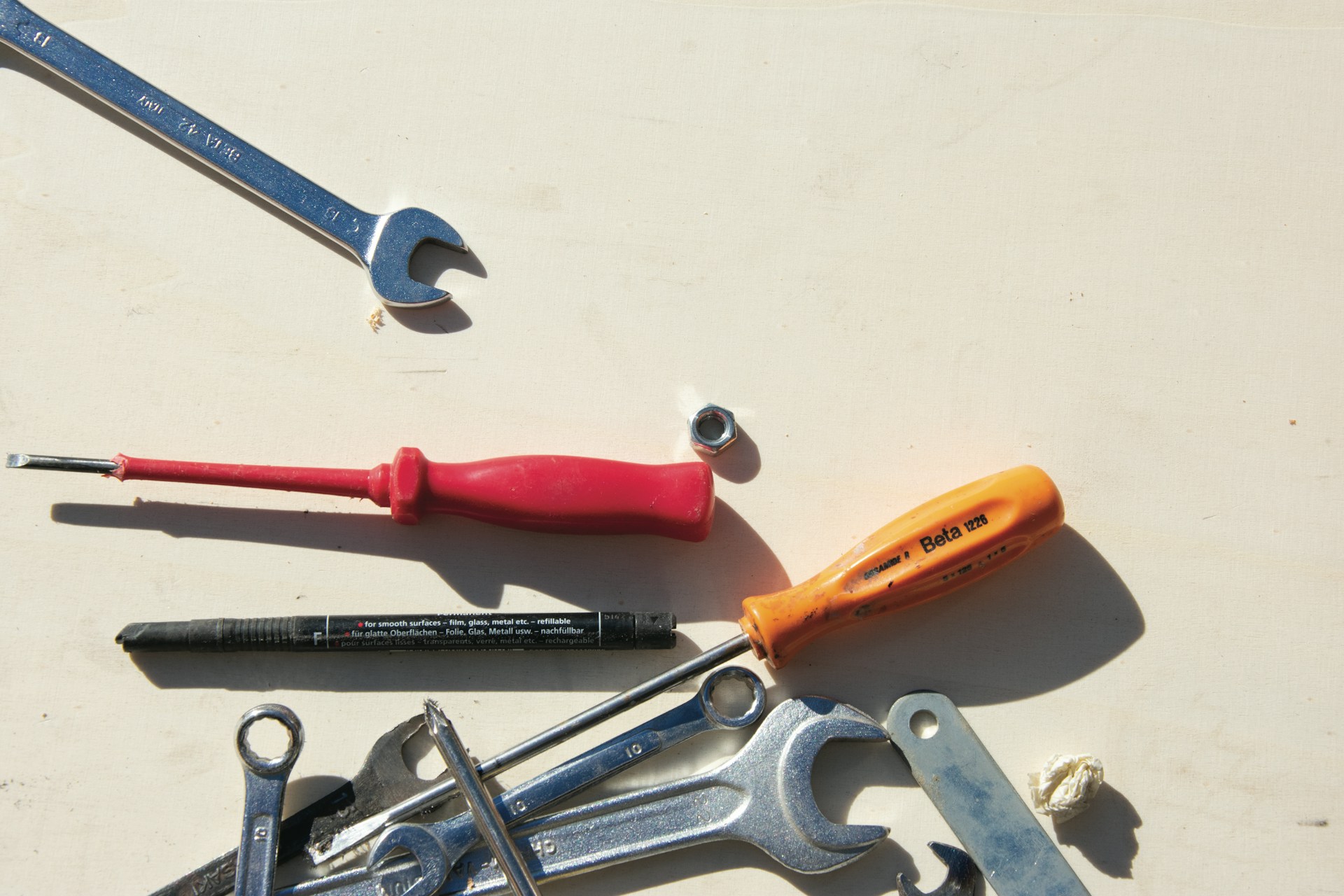
When you’re tackling different kinds of building or landscaping jobs, your tools can either make the work easier or drag everything out. Whether you’re fixing up part of your yard, working on a patio, or handling a concrete border, having the right tools makes a real difference. But finding tools that work well for more than one job? That’s where the smart money goes.
Instead of loading your shed or truck with one-tool-per-task gear, it helps to lean on tools that adjust and flex with the job. From simple handle switches to multi-use attachments, the right set of versatile tools can save time, space, and sometimes even money. Whether you’re doing fine-detail work or heavy-duty lifting, adaptability is what helps get it done without overcomplicating things.
Diverse Project Needs And Why Versatility Matters
Different projects call for different approaches. You could start the day trimming tree roots and finish it measuring out gravel for a fire pit area. Someone doing landscaping on Monday could be working on a client’s raised planter box by Wednesday. Tools that can shift from one use to another without juggling too much gear are a big help.
Versatile construction tools give you that edge. Instead of chasing specialty tools for every small step, you can lean on a focused set of equipment that handles more than one job. That flexibility doesn’t just make tasks faster, it also makes it easier to train others, keep storage neat, and swap tools out as the job evolves.
Let’s say you’re working on a backyard patio. First, you measure out the space. Then, maybe you remove the old border edging. Next comes setting gravel, assembling forms, and squaring off with pavers. With a few adjustable tools, some fit-for-purpose measuring equipment, and a quality saw, that one project doesn’t need a garage full of gadgets. Less back-and-forth with tools means more time focused on the actual job.
Must-Have Adaptable Construction Tools
Some tools stand out just because they save you from having to carry three more. Here’s a short list of construction tools that work across different kinds of outdoor and hardscape projects:
1. Adjustable Wrenches
These come in handy when dealing with multiple bolt or fastener sizes. Instead of grabbing a new wrench for each task, a good adjustable one can handle a range of hardware by simply turning a dial.
2. Multi-Bit Screwdrivers
Rather than filling your toolkit with five different screwdrivers, a multi-bit option lets you swap heads so you’re ready for both flathead and Phillips screws. Compact, light, and easy to carry.
3. Power Drills with Variable Settings
Choose one with multiple speeds and interchangeable bits. You can drill into wood, plastic, or masonry depending on what attachments you’re running.
4. Reciprocating and Circular Saws
Reciprocating saws are good for cutting through everything from old branches to small molds. Circular saws are great for straight cuts in wood and pavers. One or both makes a solid addition to a project kit.
5. Measuring Tools
Don’t underestimate the value of a simple tape measure or a laser level. They help with lining up posts, ensuring deck boards are square, or checking paver alignment. These tools help cut errors and make sure everything fits the first time.
Having these on hand gets you through most onsite needs. Whether it’s landscaping, hardscaping, or cement work, each tool serves more than one purpose and cuts down delays from switching gear too often. Keep tools in good shape and they’ll carry you across a wide set of job types without needing to constantly upgrade or replace them.
Tips For Selecting Quality Adaptable Tools
Choosing the right adaptable tools involves more than just grabbing the first set you see. When you’re investing in versatile tools, keep an eye out for a few key qualities. Above all, durability matters. You want tools that won’t give out halfway through a project. Check for solid construction and reliable user reviews. Next, consider how easy the tool is to handle. Ergonomic designs can reduce strain and make long tasks more manageable. Finally, the ability for it to perform multiple functions is a huge benefit. This saves time and space and often reduces the need to own ten different items.
Here’s a checklist to guide your selection:
1. Durability: Look for high-quality materials and solid construction.
2. Ergonomics: Opt for easy-to-handle designs.
3. Functionality: Make sure the tool performs multiple tasks efficiently.
4. Brand Reputation: Stick with tools from brands known for reliability.
5. Warranty: Pick tools that come with a warranty or satisfaction guarantee.
These tips will guide your choices and lead to smoother workdays. A well-chosen tool pays itself off in reliability and time saved.
Maintenance and Organization of Tools
Organizing and maintaining your tools not only extends their lifespan but also makes your projects go much smoother. Keeping tools clean and sharp can make a huge difference in performance and ease of use. Regularly inspect your tools for signs of wear and tear, oil moving parts, and store them in a dry, safe place.
An organized workstation means you won’t waste time looking for that one missing tool. Pegboards are great for keeping hand tools within reach and tidy. Shelving units with labeled bins can prevent small parts from getting lost. Assign a dedicated area for your power tools and chargers. Keep them plugged in and ready to go for the next project, and establish a routine to check equipment after each job. A practical layout might include pegboards for quick access, a cabinet for storing power tools, and a small drawer system for bolts and screws.
This organization not only saves time but also increases the lifespan of each item. It helps protect the investment you’ve made in your adaptable construction tools.
Creating a Tool Kit for Versatile Projects
A well-rounded, adaptable toolkit is your best ally in completing various projects efficiently. First, think about the variety of projects you tackle most often. This will help you decide which tools you’ll need the most. Start by gathering the basic tools mentioned earlier. This creates a flexible foundation that can tackle most jobs. Then, expand with specialized items for unique tasks or specific materials.
When setting up your kit, put the most-used items in spots that are easy to reach. Organize your toolkit by types—screwdrivers in one area, saws in another. This makes it simple to grab what you need without wasting time sorting through gear. Use a durable, portable container or job box that travels well and keeps everything in place when on the move.
While a good toolkit may mean a larger investment upfront, it’s a smart and practical decision. The right tools can help cut down work time while improving the results of every project. By regularly reviewing and updating your kit, you’ll always be ready for whatever comes next.
Discover how the right tools can transform your outdoor projects with ease and efficiency. At Mr. Pavers, we provide a wide range of versatile equipment designed to adapt to any task, whether you’re working with small details or tackling large hardscape projects. Explore our collection today, and ensure your next endeavor is as seamless as possible. Elevate your project outcomes by equipping yourself with adaptable, high-quality tools.