Best Uses For Pea Gravel Mix In Landscaping
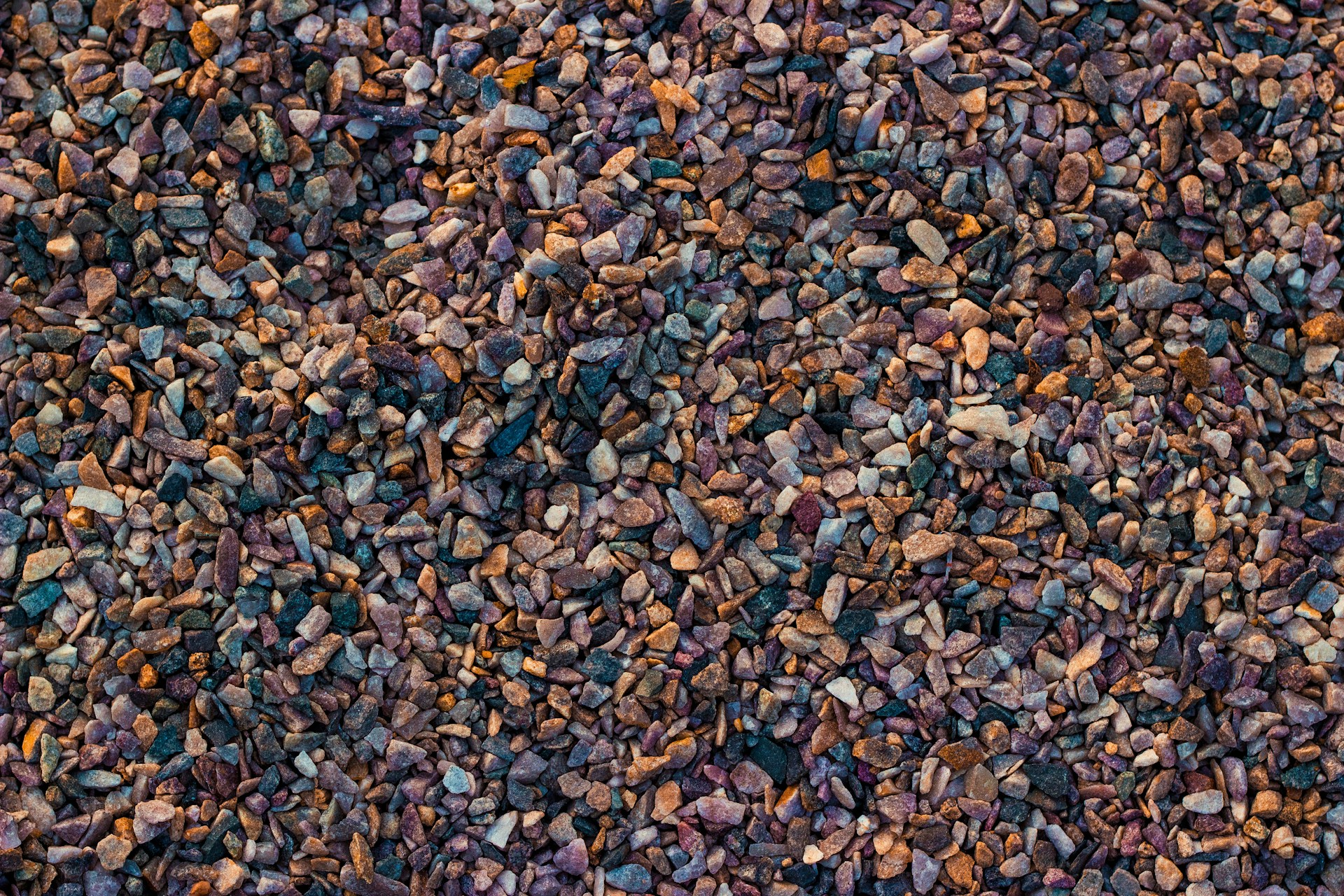
Pea gravel mix is one of those materials that quietly delivers big results in outdoor spaces. It’s made up of small, smooth stones and is often blended with sand or other materials to keep everything in place. Because it’s so easy to work with and has a natural look, many homeowners use it for both function and style. Whether you’re creating a pathway, defining the edges of a garden, or building a stylish patio, pea gravel can fit just about anywhere.
It also pairs well with all kinds of landscaping themes. You can use it with rustic gardens, modern patios, or even cottage-style flower beds. It’s easy to see why it’s a popular choice. It sits well underfoot, handles moisture better than other fillers, and brings a clean, finished look to your yard. If you’re looking to refresh your outdoor areas without redoing everything, this might be the material to start with.
Pathways and Walkways
Gravel mix is a smart pick for creating walkways that are both attractive and sturdy. It settles into place nicely and is easier to shape than concrete. Whether you’re planning a narrow footpath that winds through the yard or a straight path from the driveway to the front door, pea gravel gives you both flexibility and structure.
Some people use it to form garden trails or walkways connecting different sections of the yard. When designed well, it creates a natural flow that leads you from one area to the next without sharp transitions. The texture of the gravel also adds some grip, making it safer to walk on during wet weather.
If you’re thinking about laying a pea gravel path, here are a few tips to get started:
– Choose your border first. Bricks, metal, or wood edging will help keep the gravel in place.
– Dig down a few inches so the gravel sits level with the ground.
– Add a base layer of crushed stone to help with drainage and give the gravel something to settle into.
– Rake it out evenly to avoid bumps or dips.
– Tamp it down to give the path some firmness underfoot.
One of the nicest things about pea gravel paths is how easy they are to update. You can widen the walkway, change the layout, or refill areas as needed without having to start from scratch.
Garden Borders and Edging
Defining garden spaces might seem like a small detail, but it can make a big difference in how your yard looks and works. Pea gravel mix is a great choice for outlining raised beds, shrub areas, or vegetable gardens. Instead of using plastic, rubber, or plain mulch, gravel adds a clean edge that keeps everything looking tidy without being too formal.
Gravel also helps with water drainage and weed suppression. It keeps excess water from pooling around the base of plants and limits the amount of sunlight that reaches weed seeds. If you’ve had trouble with mulch blowing away in the wind or washing onto walkways, gravel offers a neater and more lasting solution.
To edge a garden bed with pea gravel:
– Measure the area you want to border so you know how much material you’ll need.
– Dig narrow trenches about 2 to 3 inches deep along your layout.
– Place landscaping fabric in the trenches if you’re worried about weeds.
– Fill the space evenly with gravel mix and then tamp it down for stability.
Some homeowners get creative with how they use gravel. You might line a single flower bed or place rings around multiple trees. You can even frame the entire garden area to keep soil from spilling over onto nearby grass or concrete paths. Done right, it helps your landscaping feel more structured while keeping everything low maintenance.
Pea Gravel Patios
A pea gravel patio can be the perfect way to enjoy your yard while keeping installation flexible and cost-friendly. These patios offer a relaxed and natural style that’s easy under bare feet and lets you design the space exactly as you want. Unlike a concrete slab, gravel allows rainwater to soak through, so puddles are less likely to collect.
To build a patio using gravel, plan the layout first. Use string or garden hoses to outline the shape, whether you’re going for a square, circle, or something more freeform. Then follow this simple setup:
– Excavate the area about 6 inches deep, removing grass, rocks, or roots.
– Add a sturdy base layer of crushed stone to help with drainage.
– Compact the crushed stone to prevent shifting later.
– Lay down a protective layer of landscape fabric to block weeds from growing.
– Pour in a 2 to 3 inch layer of pea gravel and spread it evenly.
Make sure the surface is level, and feel free to add paver stones or chairs and tables once everything is in place. Over time, it’s easy to freshen up the area with a bit more gravel. Since there’s no hard concrete involved, the patio can grow, shrink, or change shape based on your needs.
Water Features
Pea gravel works beautifully around water features, such as fountains, ponds, birdbaths, or artificial creeks. The mix’s natural tones and smooth appearance make it blend well into these settings. Gravel gives the area a finished look while also helping with drainage and mud control.
It can also line the bottom of shallow water features or be used to conceal pipes or liners. If you want to build a natural border around a pond or basin, here are some helpful tips:
– Use bigger rocks or decorative stones around the edge, then fill the inside border with pea gravel for texture.
– Cover any exposed plastic or rubber liners with gravel to hide edges.
– Pair gravel with water-loving plants and small groundcover to add some greenery.
Gravel not only draws attention to your water feature, it can also boost its function. Cleaner edges, less splashing, and better rainwater management means the space is both calm and easy to care for.
Enhancing Flower Beds
Flower beds stand out more when their base is well taken care of, and pea gravel can help make that happen. This material makes an eye-catching mulch alternative that keeps your flower beds neat while helping the soil below. You’ll notice that it brightens up the space, cuts down on weeds, and holds moisture longer after watering.
Here’s how to use it:
– Spread landscaping fabric on the flower bed before applying gravel to boost weed control.
– Pour gravel carefully between the plants, making sure to keep it away from plant stems.
– Aim for about an inch of gravel for the best look and performance, smoothing it out after placing.
Pea gravel works best in beds with perennials, small shrubs, or established flowers that don’t need frequent replanting. The stone won’t decompose or blow away like mulch sometimes does, and it provides a stable base year-round. Whether used in a sunny border garden or a shaded corner of the yard, it’s both useful and attractive.
Where Pea Gravel Mix Works Best In Your Yard
What makes pea gravel mix stand out is its ability to improve just about any spot in the yard. It gives patios a natural feel, walkways added comfort, flower beds a neater look, and water features a cleaner edge. Its flexibility is what sets it apart from other landscape materials.
Whether you’re planning something big outside or just want to fix up a small section of your garden, gravel mix makes a smart and stylish option. You can reshape it, refill it, or extend it as you go. The simple addition of pea gravel can improve your landscape’s flow and bring out its best features.
Ready to transform your outdoor areas with the classic touch of gravel mix? Let Mr. Pavers help you make the most of your landscape with our top-quality pebbles and ground cover. Whether it’s crafting inviting paths, enhancing lush flower beds, or defining tranquil patios, our selection is tailored to elevate your space while providing a natural look. Connect with us today and take the first step toward a beautifully crafted yard.