Protecting Your Cement Products During Rainy Seasons
Rain can be a real problem for cement products. When moisture hits these surfaces over and over, it can wear them down faster than expected. Cracks start showing up. Pieces break off. Even a well-laid cement feature, like a walkway or patio, can lose its shape or strength if it isn’t shielded from all that water. Fall is a good time to prepare because the rainy season tends to roll in soon after. Once the weather turns, it’s harder to fix damaged spots without making things worse.
Taking care of cement doesn’t have to be overwhelming, but being proactive makes a big difference. Instead of waiting until those first puddles show up, it’s smart to think ahead. A cement driveway or garden border might look solid, but water has a way of getting into small gaps and deep spots.
When that happens, it weakens the foundation and can turn minor issues into long-term damage. If you know what to look out for and how to protect your cement before the rain hits, you’ll save time, money, and frustration.
Understanding The Challenges Rain Brings To Cement Surfaces
Cement might look tough, but water is sneaky. When rainwater sits too long or gets underneath the surface, it starts creating problems. That’s because cement is porous, meaning it has tiny holes where moisture can slip in. Once the water seeps into those spaces, it doesn’t just sit there. It causes changes inside the cement that break it down over time.
Here’s what usually happens when rain keeps showing up:
– The surface absorbs water, which slowly weakens the structure
– When temperatures drop, trapped water expands and cracks the cement
– If water pools in low areas, it can lead to surface erosion or break down the material from the top down
– Mold or moss may start forming on shaded cement areas, making them slippery and even more prone to damage
How quickly these things happen depends on the type of cement, where it’s located, and how much rain it gets. For example, a cement walkway under a tree canopy stays damper longer than a driveway out in the open. Or think of a garden barrier near a sprinkler system, which deals with both rainfall and runoff.
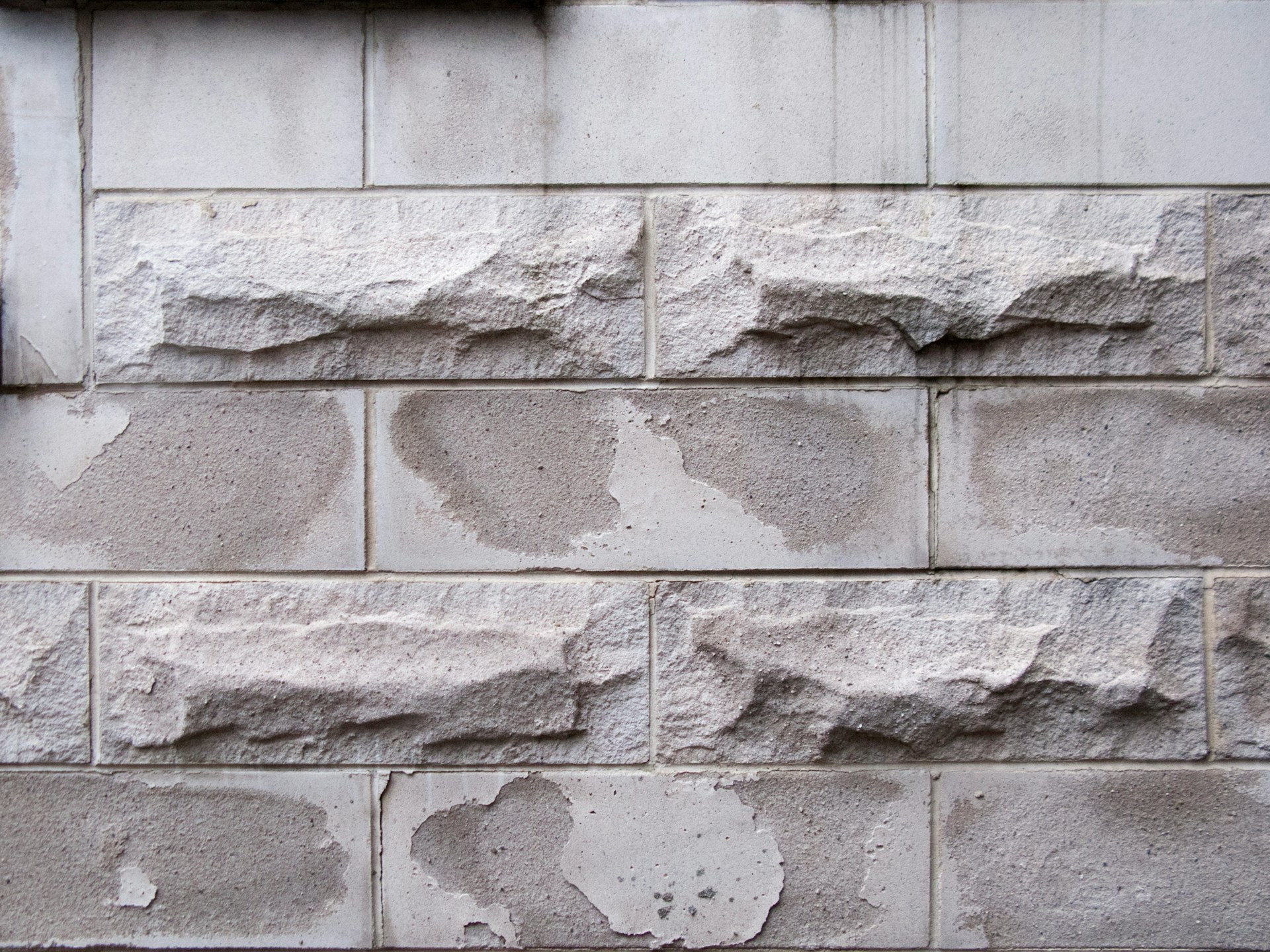
What might look like a surface stain today can turn into a deeper issue in a few months. Pay attention to early signs like crumbling edges, uneven color, or hairline cracks. These usually show up before noticeable damage. Checking cement regularly goes a long way in catching trouble right when it starts.
When cement isn’t protected, it not only looks worse over time but also becomes harder to fix without replacing large sections. A little rain might seem harmless at first, but it adds up quickly, especially during heavy seasonal storms. That’s why it’s important to learn how to keep it safe from all that wear and tear.
Preventative Measures: Sealing Cement Before the Rain Hits
One of the smartest ways to protect cement during rainy seasons is sealing it. A good sealer acts like a coat of armor, stopping water from slipping into the surface in the first place. Instead of soaking through, rain ends up rolling right off.
Here’s how sealing helps and what to keep in mind when choosing a product:
1. Block water absorption – Sealers fill the pores in cement, which keeps water from getting inside
2. Resist surface damage – They help prevent cracking, scaling, and erosion caused by constant exposure to rain
3. Keep mildew and moss away – Many sealers come with added protection against green growth and slippery buildup
Not all sealers are the same. Some are better for high-traffic areas like driveways. Others are made for decorative concrete or stamped surfaces where appearance matters.
Look for these main types:
– Acrylic sealers – Great for blocking water and UV rays. These are easy to apply and come in both wet-look and matte finishes
– Penetrating sealers – Work below the surface, which helps with long-term protection. They don’t change how cement looks
– Epoxy or urethane sealers – Good for stronger protection but mostly used in commercial spots or garages
Before applying any sealer, the surface needs to be clean and dry. Applying sealer to damp surfaces could trap moisture inside, which just makes the problem worse. It’s always a good idea to test a small area first to see how the product reacts. The goal here isn’t just to keep the surface looking fresh, but to keep it strong, even after storm after storm. Once the sealer is on, you’ll have peace of mind knowing your cement can take on tough weather without falling apart.
Maintenance Tips: Consistent Care for Cement Longevity
Keeping your cement surfaces in top shape doesn’t stop at sealing. Regular maintenance is key to preserving their look and function, especially during rainy seasons. A bit of attention every now and then can prevent minor issues from turning into major headaches.
Here’s how you can maintain your cement surfaces:
– Routine Inspections: Set a schedule to check your cement areas. Look out for cracks, chips, or discoloration. These early signs show where water might be causing trouble
– Keep It Clean: Regularly sweep or wash away dirt and debris. Leaves and twigs can hold moisture, so keeping surfaces clean helps them dry faster
– Repair Small Cracks: If you spot any cracks, fill them quickly. Use suitable cement patching compounds that match your surface type. Prompt repairs stop water from seeping in further
– Clear Drainage Paths: Make sure gutters, downspouts, and drainage systems are clear. Redirect water away from cement to prevent pooling and erosion
– Remove Moss and Mold: These can make surfaces slippery and are harder to remove if left too long. A simple cleaning solution and brush will usually do the trick
By maintaining your cement in wet seasons, you extend its life and keep it looking good as new.
Professional Help: When DIY Stopgaps Aren’t Enough
While routine maintenance does a lot, professional help can really make a difference. Experts have the tools and know-how to tackle issues you might miss. They use materials and techniques designed to offer better protection and results.
Here’s when professional services might come in handy:
– Large Repairs: For wide cracks or damage requiring structural fixes, professionals ensure repairs don’t just look good but also last
– Surface Treatments: They can safely apply industrial-grade sealers or finishes that DIY products might not match
– Inspections: A pro eye can spot potential problems before they worsen, saving time and repair costs down the line
Getting a second opinion or having someone handle complex tasks can save stress and keep cement areas safe during the rainy seasons.
Keep Your Cement Fresh Year-Round
Rainy seasons will come and go, but they don’t have to ruin your cement surfaces. Investing some time into protection and maintenance keeps them in shape and ready for whatever weather comes next.
Sealing, watching for problems, and cleaning regularly all help. With a little effort, your walkways and patios will stay strong and look great for years on end. Leave them to time and weather, and they might not fare so well. So if you want your cement to stay fresh and intact, those protective measures are well worth it.
Ready to keep your cement surfaces looking their best through the rainy seasons? Explore how Mr. Pavers’ extensive range of cement products can help reinforce your patios, walkways, and more with dependable strength and durability all year long.