Using a Concrete Splash Block to Direct Rain Away Properly
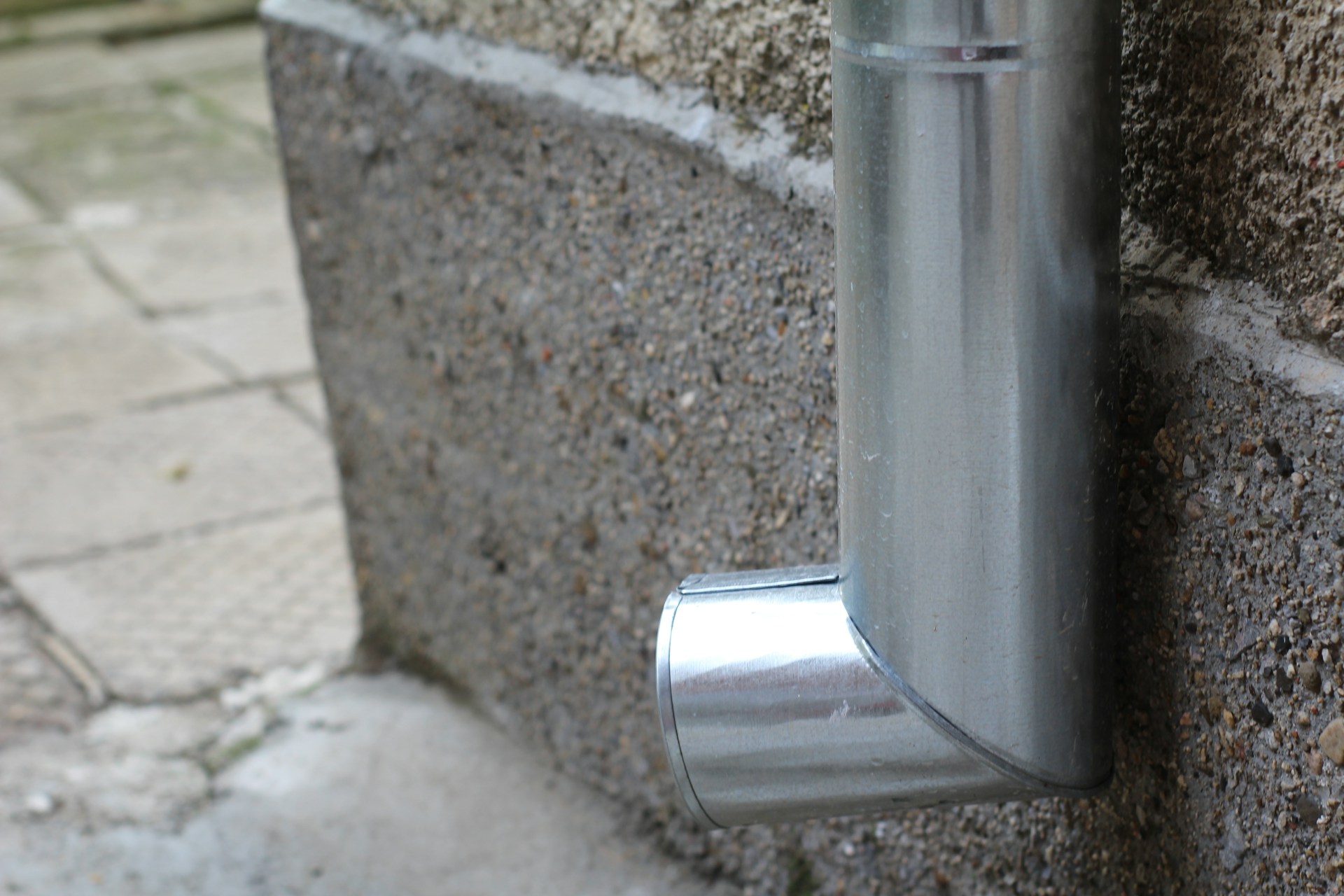
When fall rain finally hits after months of dry weather, it does not take long to notice where water starts building up. It might settle near your home’s foundation, run across sidewalks, or even wash into the flower beds. Without anything to guide that flow, water collects in places it should not. That is where concrete splash blocks come in.
Concrete splash blocks help manage rainwater from downspouts. When they are placed right, they push the water away from your house and safely into the yard. But getting them to work the way they should takes more than just setting one on the ground under a pipe. There is a method to it, and doing it wrong can make things worse rather than better. Here is what we think people should know about using them the right way, especially here in California where sudden downpours can cause damage fast.
Why Directing Rainwater Matters
Rainwater may seem harmless, but when it lands too close to your home, it starts causing problems. Over time, the steady drip from your downspout might wear away the soil near the foundation. This can lead to shifting concrete, sidewalk cracks, or patio slabs that lean or sink. It does not take an extreme storm to create issues, especially if your yard does not drain naturally.
In places like Jurupa Valley, California, and surrounding parts of Southern California, the rain usually comes all at once. After months of dry heat, the hard ground does not soak up moisture quickly. Downspouts push water straight down, and if there is no way to direct that flow, it will pool wherever the ground is not ready for it. That is why fall is the time to prepare, not after winter kicks in.
Redirecting that water makes a difference. It protects the materials you have already invested in and keeps your outdoor space safer to walk, play, and work in. When water moves properly, you will not have puddles sticking around for days or stained walkways from runoff.
What Concrete Splash Blocks Do
Concrete splash blocks work by catching rainwater from the downspout and sending it away in the right direction. They are shaped with a downward slope so the water gets pushed forward instead of soaking into the ground right next to your house. This slope spreads out the flow so it does not dig into the soil or make deep ruts.
Compared to gravel basins or soft rubber mats, these blocks stay put in strong weather. That is especially helpful here in Southern California, where wind and bursty storms are common in October. They do not shift easily, and they do not corrode or break down like some plastic options. Once they are placed well, they handle runoff without needing daily attention.
What makes them useful is not just their shape. It is the way they interact with the ground. They only work when they are set up the right way, angled downhill, resting on steady ground, and facing away from walkways and structures. If they tip back toward the building or lean into a rise, they stop doing their job.
How to Install Them the Right Way
Setting a splash block correctly sounds simple, but it is easy to miss details that matter in the long run. Start by choosing a solid surface. That can be compacted soil, small gravel, or concrete. The point is to give the block a level base that does not shift during heavy rain.
Here are a few steps we stick to:
1. Place the splash block directly under the downspout, close enough that all water lands inside it.
2. Angle the block slightly downward so the water runs away at a steady flow.
3. Make sure the direction leads to a slope or open yard, not into a wall, fence, or shared space.
A few inches off left or right can cause water to bounce sideways. It helps to watch how water flows during the first rain to make adjustments if needed. Avoid placing mulch or loose soil in front of the splash block, since these materials can block or slow down drainage.
One common mistake is propping the splash block up too high, thinking the extra angle will improve the flow. What it really does is create more splash and runoff where it is not wanted. Setting it flat on a light slope works better and reduces the mess around it.
Fall Maintenance Tips for Splash Blocks
October is a smart time to check splash blocks, especially since California’s rain tends to arrive in short, heavy spurts. A quick storm can dump enough water to overwhelm a bad setup. That is why we suggest making sure these pieces are still sitting right before the wet weather sticks around.
Take a few minutes to:
• Clear away any buildup of leaves, dirt, or gravel at the opening of the block.
• Check that the tilt still points away from the structure and has not shifted in dry soil.
• Watch how water flows during the first fall rain, noting any pooling or overflow.
Splash blocks can slowly shift over time, especially if small animals, wind, or foot traffic bump them out of place. A short check now can prevent much bigger problems later.
When Splash Blocks Are Not Enough
Splash blocks are helpful, but they have limits. If you notice large pools forming near your home after every decent rain, it could mean the water is not draining far enough. Sometimes, even a correctly placed splash block cannot solve the issue alone.
Look out for signs like:
• Water sitting close to the house for more than a few hours.
• Soil erosion near downspouts, even when blocks are installed.
• Water finding its way into crawl spaces or causing stains on outdoor walls.
These problems can point to wider drainage issues that go beyond what a block can manage. In some yards, the slope or soil type keeps water trapped in low spots. That is when it is time to consider other options alongside splash blocks that will guide the water farther out.
Small Placement, Big Impact
It is easy to overlook something as small as a concrete splash block, but their job can make a big difference, especially once the fall rains start to kick in. They keep water off your foundation, protect your paths, and keep your yard from turning soggy.
When placed early in the season and adjusted as needed, these concrete splash blocks do more than just control runoff. They help keep outdoor spaces cleaner, stronger, and easier to care for across the wetter months. That kind of simple fix can go a long way in keeping stormwater where it belongs.
Noticing that rainwater is not draining away from your home as it should? Now is a great time to review your downspout setup. Properly redirecting runoff with the right tools can help prevent yard messes, foundation issues, and future headaches when storms roll through. At Mr. Pavers, we offer durable options to help you upgrade and manage water flow with confidence. For advice on choosing and placing concrete splash blocks that are right for your Jurupa Valley property, give us a call today.