How to Build With Concrete Blocks for Chill-Resistant Features
When cooler weather rolls in, it’s a good time to look at which outdoor features will stay solid and which ones won’t stand up to the season. In places like Jurupa Valley, California, daytime temperatures can stay mild, but overnight chills, wind, and moisture can still cause trouble for certain materials outdoors. That’s why fall is the right time to switch focus toward things that can handle lower temps and changing conditions.
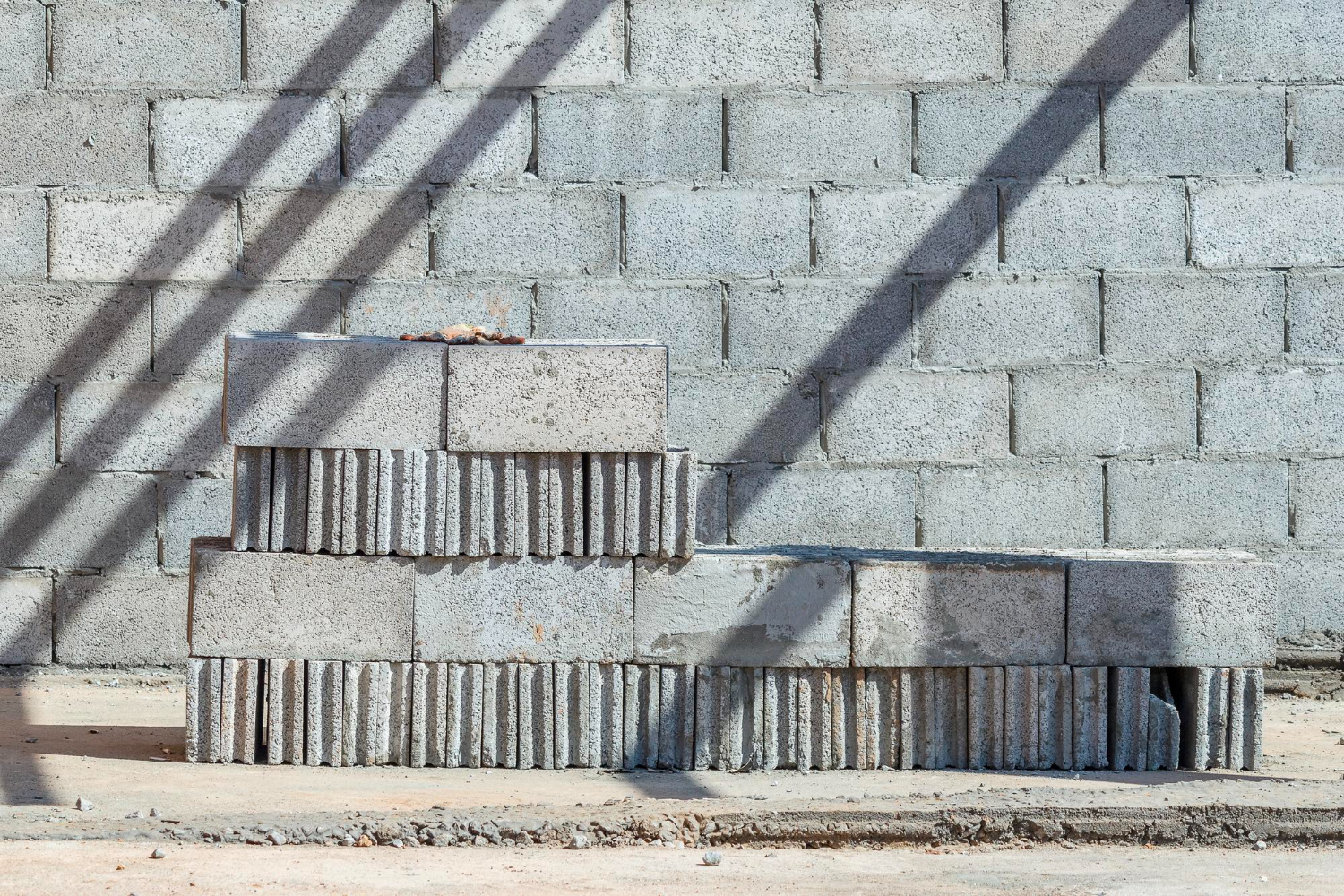
One of the easiest ways to build something sturdy this time of year is to build with concrete blocks. Whether you’re putting together a planter, a fire feature, or a short wall, concrete blocks give strength in colder months without a ton of upkeep. Below, we’ll walk through how to build with them the right way so your hardscaping doesn’t shift, crack, or come apart once the weather cools down.
Planning Your Chill-Ready Project
Before anything goes into the ground, it helps to know exactly what you want to build and where it’ll go. Good planning now means fewer problems once rain or colder nights hit.
• Choose what you’re building. Common autumn projects include garden beds, fire pit surrounds, sitting walls, or low barriers to edge yards.
• Measure the space. Think about how the area drains when it rains or after a cold snap. Water pooling near your build can weaken it fast.
• Figure out dimensions. Sketch out the height, width, and length so you can get a proper count of how many blocks will be needed.
Paying attention to what the space handles in different seasons will help your new feature last through more than just a few months. Watch how water moves around the area and avoid placing blocks directly in wet or soft spots.
When narrowing down where to put your project, keep in mind how winds move across your yard and which areas get less sun during the short days of late fall and winter. Knowing these patterns will help pick spots that avoid pooling water or frost, supporting your block build over time.
Choosing and Prepping Materials
Fall projects need materials that won’t break down or move when weather shifts. That starts with the right concrete blocks, but it doesn’t stop there.
• Pick heavy, solid blocks. Dense blocks don’t chip as easily during frosty mornings or big temperature swings.
• Use temperature-ready bonding products. Look for mortar or adhesive built for outdoor use and changes in weather. Some adhesives stay more flexible when temps drop.
• Start with the right base. Depending on your design, the base might be packed gravel, compacted sand, or a poured concrete slab. Whatever it is, it needs to stay firm during both wet and dry conditions.
Solid prep work makes every layer stronger. If the base is too soft or uneven, your blocks will shift or lean, no matter how carefully everything else goes.
It’s also worth taking the time to let your materials reach outside temperature before working with them in cooler conditions. Cold concrete blocks can affect how well mortar or adhesive grabs. Moving your blocks into place the day before starting can make the work easier and give a better final result.
Building with Concrete Blocks the Right Way
Once materials are ready and the base is set, it’s time to start stacking. This part isn’t about speed. It’s about getting it right so the feature settles smoothly with the weather, not against it.
• Start with a level base row. Measure and re-measure so you know the first row is seated right. A base that’s off even a bit can throw the whole project.
• Keep layers tight. Use mortar or outdoor adhesive between blocks to hold them in place during rain or chilly nights. Stagger block seams from row to row for added strength.
• Add extra support when needed. Tall or load-bearing projects may need rebar driven through hollow spaces or added filler (like concrete mix) inside the core.
This step-by-step approach keeps your project strong through wind, cold, and shifting soil.
As you stack each row, double-check the alignment and use a long level or straight edge to keep courses even. Each row builds on the one below, so small errors add up over time. Tap blocks gently into place to even them out and fill any unwanted gaps with mortar. This prevents movement when the ground expands and contracts and stops loose soil or water from getting inside.
Finishing Touches That Make a Difference
After the build is done, a few final steps help your feature go from good to great. These small details push moisture away and keep your work looking clean for longer.
• Seal joints. Use a flexible outdoor-rated sealant along any gaps to block water from getting in and freezing inside.
• Plan for drainage. For raised beds or retaining walls, small weep holes or gravel channels stop water from building up and damaging the interior.
• Clean as you go. Don’t let mortar dry on block faces or collect debris inside hollow sections. A clean surface looks better and lasts longer.
Fall air might feel light and dry now, but hidden moisture is what usually does the damage. These finishing steps hold that risk off long after project day is done.
You can also finish concrete block projects with caps or smooth stone pieces to give a polished look and protect the blocks underneath from direct rain. Consider coloring or staining the blocks if you want a more natural blend with your garden or patio. Adjust landscaping around the new build so water moves away from foundations and there’s less dirt piling up against the sides. Taking time for these details helps your project stand up to the changeable weather of late fall and winter in Jurupa Valley.
Cold Weather Landscaping That Lasts
Concrete blocks give us a simple path to stronger builds as cooler months arrive. When we plan the design, prep the space, and stack with care, we’re left with features we feel good about even as the seasons change.
Fall is a smart time to finish these kinds of outdoor builds. Soil stays dryer, temperatures are steady, and there’s enough warmth left for sealants and adhesives to cure fully. Whether we’re adding a garden edge, a bench, or a fire pit wall, a thoughtful build now saves us from rework once winter weather starts to show up.
Even as clouds roll in and the days shorten, a well-built feature stands strong and does not require constant repairs or tweaks. This saves time, money, and stress when the colder rains start and extra work is the last thing you want. The care you invest today brings peace of mind and simple enjoyment as you move into California’s cooler months.
When we get ahead like this, we’re not just building something that looks good, we’re making sure it holds up through the cold, wind, and whatever else the season brings.
Thinking about building sturdy outdoor features before the cooler weather arrives? We provide homeowners and contractors in Jurupa Valley, California, with trusted materials for projects that stand up to rain, chill, and time. When you’re ready to build with concrete blocks, it matters where your materials come from and how they’re handled. At Mr. Pavers, we make sure every part of that process goes smoothly. Give us a call to discuss your project and the next steps.