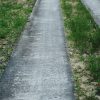
How to Use Gravel Gardens Ideas in Small Side Yards

Side yards tend to go unnoticed. They’re often narrow, uneven, and hard to design without crowding the space. But with a little planning and the right materials, we can turn that pass-through spot into something useful and good-looking. One of the easiest ways to do that is by using gravel gardens ideas that bring a sense of order without much digging or fuss.
Fall is a great season to get started on this kind of project here in Jurupa Valley, California. The days are cooler, but the ground hasn’t hardened yet, making layout and groundwork easier. Planning now means the space will settle over the next few months and be ready before spring hits.
Understanding Space: Make the Most of What You’ve Got
Before we start building anything in a small side yard, it helps to stop and really look at what’s working and what isn’t. Tight areas don’t leave much room for mistakes, so it makes a big difference to measure things out and think through how the sun hits during different times of the day.
Gravel works well here because it shapes the ground without adding height or bulk. It helps form walkways or bedding zones in areas that don’t fit bigger features. We often see side yards that run long and thin, spaces where patio furniture won’t quite fit, but a path or minimalist garden might.
A simple gravel path lets light reflect off the ground and keeps things looking open. It’s the kind of detail that gives the space a clean look without having to fill every corner. Hard lines in tiny areas can feel harsh, but gravel takes on curves or narrow turns without making them look boxed in.
Mixing Textures with Gravel, Borders, and Plants
Side yards don’t need much to feel finished, but it helps when the surfaces work together. We’ve had the best luck mixing gravel with materials that create borders and add contrast. Things like concrete curbs, narrow wood dividers, or small boulders can split the space in simple ways.
Gravel pairs well with:
• Stone edging to define walk zones or planter areas
• Low-maintenance shrubs that grow upward instead of outward
• Large potted plants that break up visual lines without overwhelming the walk space
Adding just a few changes in color or shape helps avoid that flat, single-tone look. Pale gravel against darker stone or wood draws the eye without relying too much on decoration. If a border is raised slightly, it doubles as a visual boundary and a tool to help guide water.
Drainage and Soil Tips Under the Surface
One common challenge in side yards is drainage. Water tends to follow narrow strips with no place to soak in, which can lead to puddles or erosion, especially near the house. Gravel helps manage that by creating a layer where water can pass through instead of pooling up.
To support good drainage, we recommend:
• Laying down a base layer of larger rock under the gravel to promote flow
• Sloping the ground slightly away from foundations so water doesn’t collect too close
• Using edging along beds or path edges to steer runoff where you want it to go
Each layer under the gravel matters, even if no one sees it. A flat surface may collect water if the gravel isn’t layered right, and that could lead to soft spots or shifting. Keeping things compacted and even underneath keeps the footing solid and safe.
Making Side Yards Usable and Inviting
Even the narrowest pass-through area can handle more use when organized right. If the gravel is placed with purpose, the space becomes more than just somewhere to walk. It might be where bikes get parked, tools hang out of the way, or small garden projects begin.
Ideas for getting more out of tight side yards:
• Add a gravel path with a storage zone along a wall for bins or small shelves
• Use plant borders or pots to split utility areas from more decorative zones
• Drop in solar stake lights or run string lights along the wall for better visibility at night
Lighting adds a lot to these small spaces. Once the sun sets early in the fall, we need clever ways to keep moving through or using these areas. A bit of soft light makes them easier to navigate and more welcoming, too.
Planning out where everything goes before laying gravel helps avoid crowded areas. We often map the layout on paper or with chalk or string first. That way we can move things around without dragging stone across the ground more than needed.
Seasonal Bonus: Why Fall Is a Smart Time to Start
November is one of the best times to work on gravel layouts in Southern California. The temperatures drop just enough to make outdoor work more comfortable, but we’re still ahead of winter rain. That window gives time for new soil adjustments and gravel settling.
Benefits of fall prep include:
• Ground stays softer and easier to shape than during colder stretches
• Gravel holds up well to light rain without turning into mud
• Projects finished now will be ready by late winter or early spring for use
Working now lets the materials settle naturally as the season changes. Instead of watching spring arrive before you’re ready, you’ll already have a finished path or planting area ready to go.
Small Space, Big Difference
Side yards can feel like forgettable zones. They aren’t big enough for seating areas or decks, and sometimes they just collect junk or weeds. But a simple gravel path changes the way we move through these areas. It gives structure, improves drainage, and offers a spot to experiment with plants or storage.
By using gravel gardens ideas in spots that normally stay underused, we bring quiet parts of the yard back into use. The materials don’t take up much room, and they handle the weather without fuss. When the layout reflects how you live, even the space between buildings starts to feel like part of the yard again. Good planning now leads to a better use of space all year long.
Transform your narrow side yard into a functional and inviting space with expertly planned gravel solutions. Use creative gravel gardens ideas to enhance your area with style and practicality. At Mr. Pavers, we’re dedicated to helping residents of Jurupa Valley, California, make the most of their outdoor spaces with tailored designs that suit every need. Get started today and enjoy a beautifully crafted landscape by spring!