Do Concrete Reinforcing Steel Bars Rust Over Time?
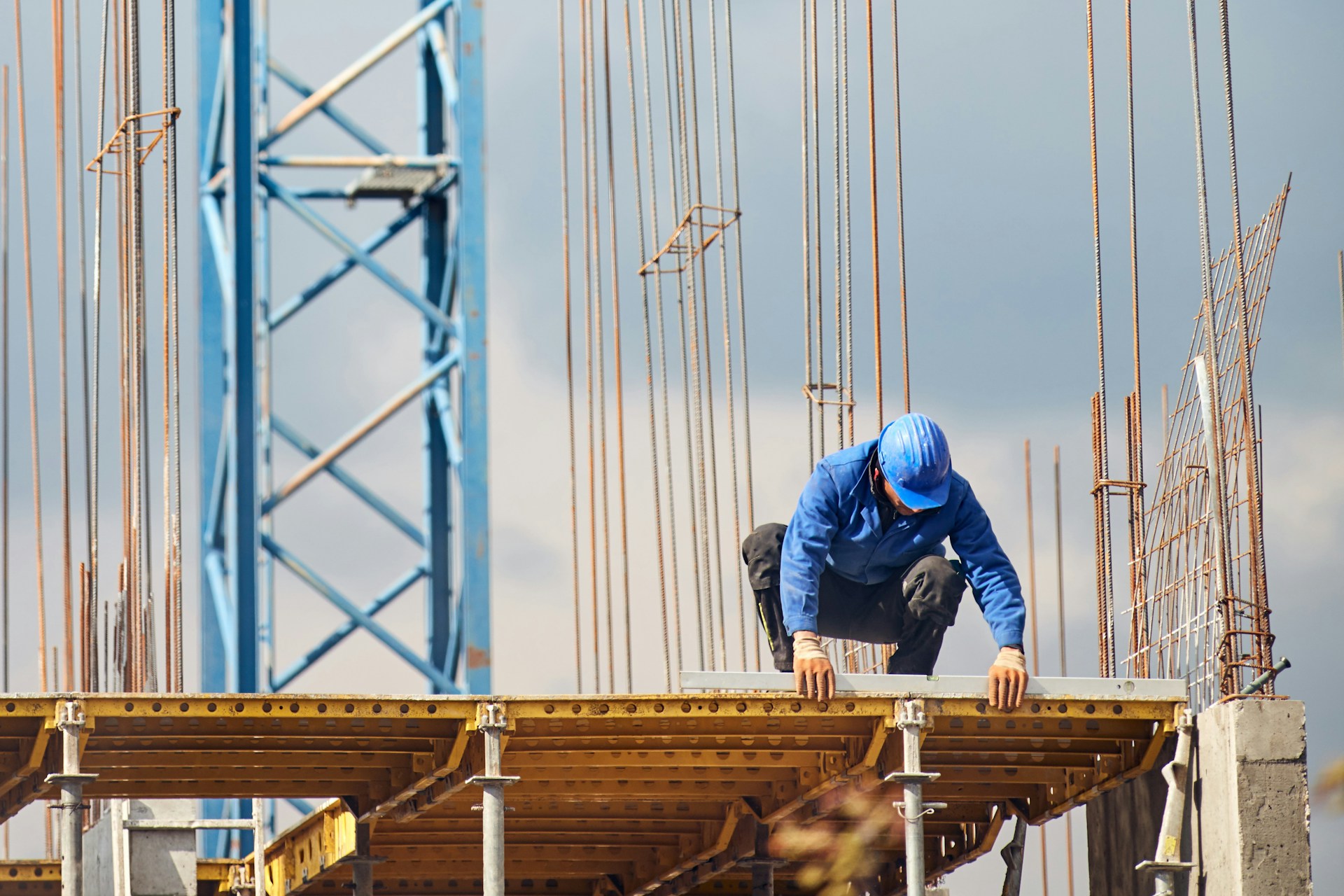
Concrete reinforcing steel is built to be strong, but it’s not immune to time and weather. When used in outdoor structures, steel can face years of moisture, shifting temperatures, and other stresses. If it’s not the right type, or if it’s installed in the wrong way, rust can creep in slowly and weaken the bond that holds everything together.
That’s why it’s worth talking about how rust happens, what causes it, and how builders and homeowners can head it off before it becomes a problem. With fall shifting toward winter and weather changes ahead, it’s a good time to look at how concrete reinforcing steel truly holds up out in the elements.
Understanding How Steel Reacts to Weather and Moisture
Outdoor steel doesn’t stay clean and dry for long. Rain, irrigation, and high groundwater can all seep into the soil around a wall. If that water reaches reinforcing steel, even small gaps in defense can trigger corrosion. Humidity adds to the problem by creating damp air pockets inside concrete where water can linger.
When moisture sits on steel, rust doesn’t show up right away. It starts slow and spreads over time. Uncoated bar that isn’t fully sealed by concrete is more likely to develop weak points. That’s especially true in areas with mild winters like Jurupa Valley, California. While we don’t see snow here, cooler nights and damp mornings create daily shifts in temperature that can open small cracks in concrete and let water slide in.
Over months or years, those cracks give moisture a way to reach the steel. And once rust starts, it expands, putting pressure on the concrete from the inside.
Why Concrete Isn’t Always Enough to Protect Steel
Many assume concrete alone is enough to keep steel safe. It does provide coverage, but it’s not a full shield. All concrete absorbs water, even if it isn’t obvious. If the mix wasn’t poured evenly or cured too quickly, it can leave tiny air holes that pull in moisture.
Cracks are another issue. Over time, ground shift or loading can cause hairline breaks that aren’t noticeable at first. Once that barrier breaks, moisture from the soil or air can get to the steel inside the wall. That’s where trouble typically begins.
The depth at which steel is placed matters too. Rebar set too close to the surface doesn’t have enough room between itself and open air, which increases the chance of rust. Combine shallow placement with cracked or porous concrete, and you’ve got steel exposed and vulnerable.
What Makes Some Reinforcing Steel Last Longer Than Others
Not all reinforcing steel is the same. Some types are better at handling wet environments than others. Plain steel bars are standard, but they have no added protection. Once exposed to water, they’re quicker to rust.
Galvanized steel is coated in zinc, which helps shield the metal from moisture. Epoxy-coated bars go a step further with a thick resin layer that keeps water from ever reaching the steel underneath. These types of treated rebar tend to last longer in yards or areas with poor drainage.
Rubber or plastic wraps are sometimes used too, mostly for projects built near soil with high water content. The more layers reinforcing steel has between it and moisture, the better its chances are in outdoor structures like garden walls or retaining barriers.
Local Conditions and Timing Matter More Than Most People Think
Living in Southern California means we don’t deal with snow or ice, but that doesn’t mean steel stays dry. In places like Jurupa Valley, late fall tends to bring more rain than summer. Soil starts to hold more water and it stays damp longer between rains. This can lead to water sitting underneath hardscape structures for much of the season.
If the steel inside your wall isn’t built for it, this extra moisture can speed up rust right as winter arrives. Wet soil in November means any weakness in waterproofing around the steel will be exposed right away. Walls built or repaired earlier in the fall may not have cured completely, making them more likely to soak up water.
Poor drainage is another issue. If the ground doesn’t allow water to move away from the wall, rust risk can rise quickly. Planning ahead during dry months can help, but by late November, builders need to think more about moisture management than heat.
Planning for Long-Term Strength Starts at the Ground Level
Protecting steel starts before the first shovel hits the dirt. Small decisions made early on can help guard against rust later. Here are a few best practices we follow on every project:
• Use clean, dry steel that hasn’t been left outside for weeks.
• Keep proper spacing between steel and the edge of the pour so water has less chance of reaching it.
• Lay out drainpipes or gravel channels behind walls to give excess water a place to go.
• Choose the right steel type for the job, don’t overdo it, but don’t take shortcuts either.
Every product should be dry and free of mud, grease, or rust when it goes in. Any dirt left on the steel creates separation from the concrete, which can leave gaps that collect moisture. We’ve seen walls fail simply because materials weren’t stored properly before installation.
Built to Last: Keeping Reinforcing Steel in Shape for Years
Concrete reinforcing steel can absolutely rust, especially when it’s not matched to its environment. But rust doesn’t have to be part of the story. A smart layout, clean materials, and timing that works with the weather all help prevent future damage.
When we plan builds during the fall, we think ahead to how winter moisture will settle into the soil. Being thoughtful now reduces the chances of cracks, corrosion, and costly fixes later on. Reinforcing steel doesn’t need much to stay in good shape, it just needs the right mix of planning, spacing, and protection to help your build stand firm through years of weather.
Ensure the strength and longevity of your next build by choosing the right materials from reinforced steel suppliers. Proper planning and quality components can make all the difference in preventing rust and ensuring durability. Partner with Mr. Pavers for expert guidance on selecting materials that withstand our unique local conditions, giving you peace of mind that your project will stand the test of time.