How to Order Bulk Concrete Blocks for Cold Month Work
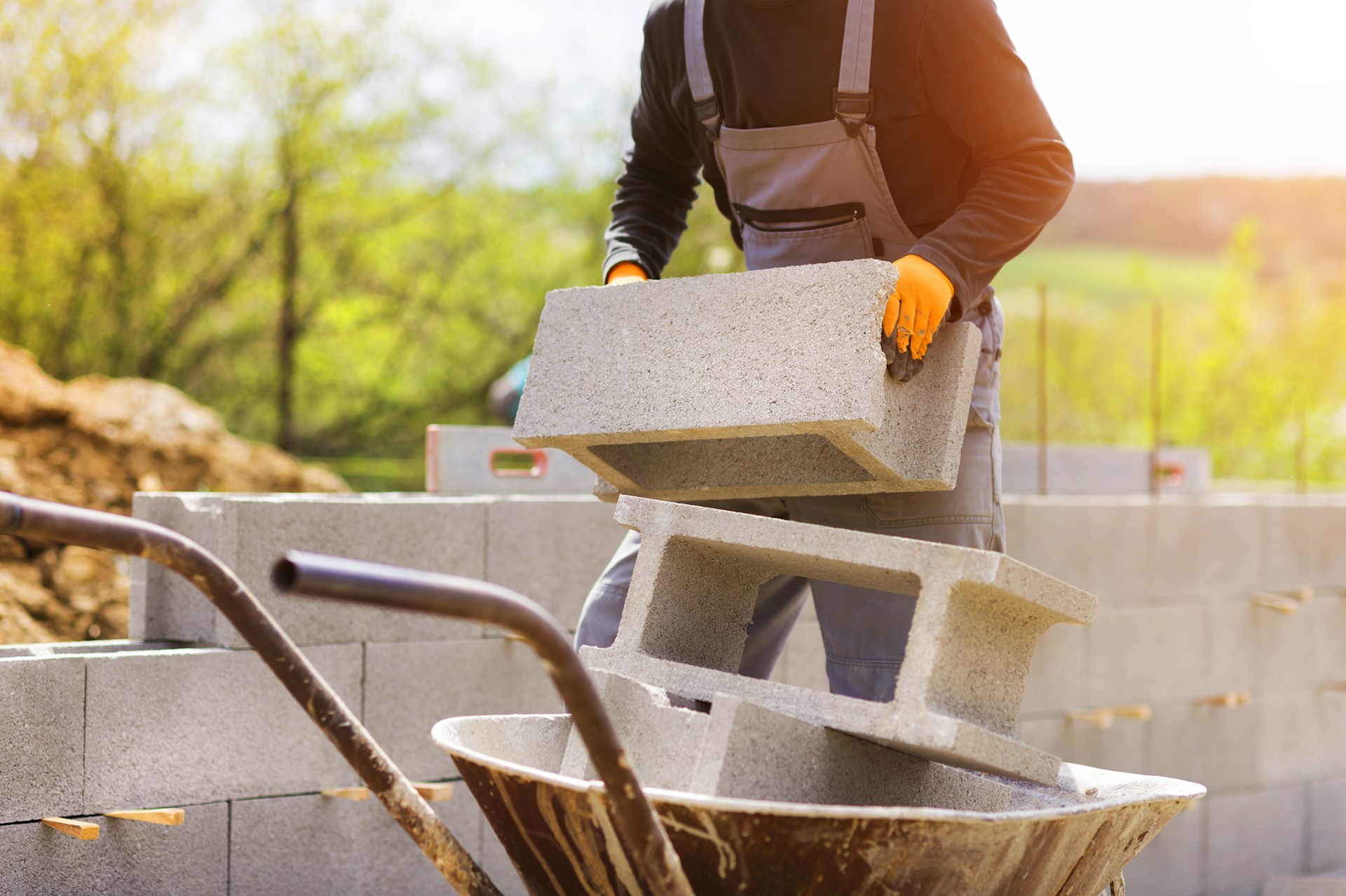
Working with building materials in colder months means paying extra attention to timing, truck access, and how long supplies can stay outside. That’s especially true if you’re planning a winter build using bulk concrete blocks. Colder days press pause on road schedules and can slow down unloading if the ground is wet or soft. Planning things out in advance makes a huge difference, starting with the order itself, where the blocks are stored, and when they hit your job site.
If you’re lining up a late-season project using heavy materials like blocks, it helps to think three steps ahead. The way cold air and damp ground affect your delivery and storage conditions can either slow you down or help the job run smoother.
Understand What Cold Weather Does to Concrete Blocks
When it gets colder, concrete reacts more than most people expect. Low temperatures slow down the way concrete breathes, especially when there’s moisture. If bulk concrete blocks sit outside too long on cold, wet ground, they can soak up water. When that happens and temps drop overnight, freezing water inside the block can chip or flake the surface.
This is why delivery timing matters so much in the winter months. If blocks arrive during a cold or rainy week and there’s no good spot to stack them, it gets harder to keep them dry and undamaged. We’ve seen this happen when project sites weren’t ready yet, and the blocks ended up exposed for too long.
A few common problems we see when blocks are delivered without a plan in cold weather:
• Minor cracking or surface damage from freeze-thaw cycles
• Hard-to-reach stacks when access roads freeze or get muddy
• Slower jobs when blocks are frozen together or hard to carry
How to Pick the Right Type and Quantity
Not all blocks are the same, and different projects call for different sizes or shapes. Whether you’re using blocks for a retaining wall, garden border, raised pad, or support base, knowing what you’re working with helps avoid delays.
Here are a few block types often used in winter and cold-season builds:
• Standard rectangular blocks for wall or footing support
• Decorative face blocks for exposed edging or short walls
• Large structural blocks for load-bearing areas
Estimating the right number can be tricky if the job isn’t well-mapped. Over-ordering takes up space on the job site, while under-ordering means unloading supplies twice in tough winter weather. One simple tip that saves trouble is grouping your block count by section, for example, planning a portion of wall at a time, so you can place a partial order to start, then top off as conditions improve.
Getting sizing right isn’t just about quantity; it is also about minimizing change orders, which are more disruptive when weather slows everything down. When in doubt, measure again and match your order to realistic on-site needs, instead of just estimating off a basic drawing.
Delivery Planning and Site Access in Wet Conditions
December weather around Jurupa Valley, California, doesn’t always bring an icy freeze, but winter rain is common enough to make delivery access tougher. When soil is saturated, trucks can slip or carve deep tracks into the ground.
To get ahead of that:
• Check where your blocks will be dropped off and clear any obstacles or overhanging trees
• If possible, lay down gravel or wood planks in soft spots near the drop point
• Schedule delivery during drier parts of the day to avoid late-afternoon moisture
Wet conditions don’t just affect delivery. They make handling blocks harder. Workers may face slippery surfaces or compact soil that shifts. That’s avoidable if preparations are in place before the truck shows up.
A clear drop-off plan means less waiting around and less damage to the job site. It can reduce how far you have to move each block and lowers the risk of stacking issues due to unsteady ground. Taking these precautions up front saves a lot of time during the actual build when weather changes quickly.
Best Practices for Storing Bulk Concrete Blocks in Winter
The longer concrete blocks sit outside, the more chance they have to absorb water from rain or ground exposure. In cooler months, that moisture takes longer to dry out. Blocks that stay wet can form moss, discolor, or break down quicker at the corners.
Three simple steps go a long way in storage:
1. Elevate blocks off the bare ground using pallets or boards
2. Stack them with small gaps between rows so air can circulate
3. Use weather-resistant covers like heavy-duty tarps, but don’t wrap them too tight, air still needs to move
If blocks are going to sit longer than a week or two before use, pick a spot that drains well. Avoid building them into tall piles that are hard to inspect later. Side-by-side stacks are easier to track and access when you’re rushing between rain showers.
Another important storage tip is to periodically check under the covers to see if moisture is building up. Moving a tarp, even just for a short time, can help release trapped humidity and keep the concrete from getting musty. Keeping the area around stored blocks as dry as possible is a simple habit that pays off when you need reliable materials during busy winter weeks.
Timing Your Build for Better Results
December builds run by a slightly different clock. Cold air slows everything, people, drying times, and how blocks handle weight. Concrete blocks get slick when wet, and that makes stacking or setting them more difficult, especially for retaining walls or tall structures.
Here’s how we approach timing on cold-weather projects:
• Don’t plan big lifts or heavy stacking after a heavy rain
• Avoid freezing mornings for setting blocks into place
• Watch the forecast so you’re not lifting wet blocks during an incoming cold snap
Spacing out the work based on weather windows helps prevent rushed decisions. When you’re dealing with ground that freezes overnight and use tools with metal edges, slower builds are safer and steadier.
Planning each stage in advance also means prepping your materials so they’re ready to move as the day warms up. Sometimes, even waiting until midday can make a big difference in how easily blocks handle and stay set. Coordinating your team around milder hours reduces slips and mistakes, which keeps everything safer.
Tracking the weather in detail lets you shift your build schedule if cold snaps or rain are predicted. It is worth having a backup plan for indoor work or smaller prep tasks on days when conditions are too rough. Using those breaks for organization, equipment checks, or layout planning ensures winter projects keep making progress.
Build Smarter This December with the Right Block Plan
Cold weather doesn’t shut down building projects, but it changes the way we plan each step. With heavy materials like concrete blocks, small decisions, like where to drop the delivery or how tall to stack a pallet, can leave a big impact.
By knowing how moisture changes concrete in cold air, and thinking through the site setup before a dump truck shows up, it gives your project a better shot at staying on track. Winter comes with unexpected shifts, but a steady block plan helps you work right through it.
Prepare your project with confidence this season by ensuring every detail aligns with your construction needs. At Mr. Pavers, we understand the importance of timely delivery and proper storage for a smooth winter build. Utilize our expertise and explore our supply of bulk concrete blocks to maintain strength and stability throughout your project. Contact us today to set your plans in motion and secure quality materials that match your timing and conditions.