A Guide to Choosing Garden Landscaping Pebbles That Stay Put
Garden landscaping pebbles can do more than just look nice. When chosen wisely, they help keep yards tidy and easy to manage over time. But not all pebbles work the same way. If the wrong type is used, those quiet little stones can turn into a constant chore. They may roll, shift, or scatter after a few weeks, especially in high-traffic areas.
That’s why picking the right garden landscaping pebbles matters. Whether you’re planning a new pathway or filling a bed around shrubs, the kind of pebble you choose plays a big role in how stable that surface will be once in place. With the right shape, size, and setup, pebbles stay put and the yard stays clean. Since 1993, we have supplied pebbles, decorative stone, gravel, and other materials for outdoor projects throughout Southern California.
What Makes Pebbles Stay in Place
Pebbles might seem simple, but their shape and size have a big effect on how they behave outdoors. One of the first things we look at is whether the stones are round or angled. Rounded stones might feel smooth and look polished, but they tend to move around more, especially when walked on. They’re great for creating a decorative accent, but not so great if you want the area to stand firm.
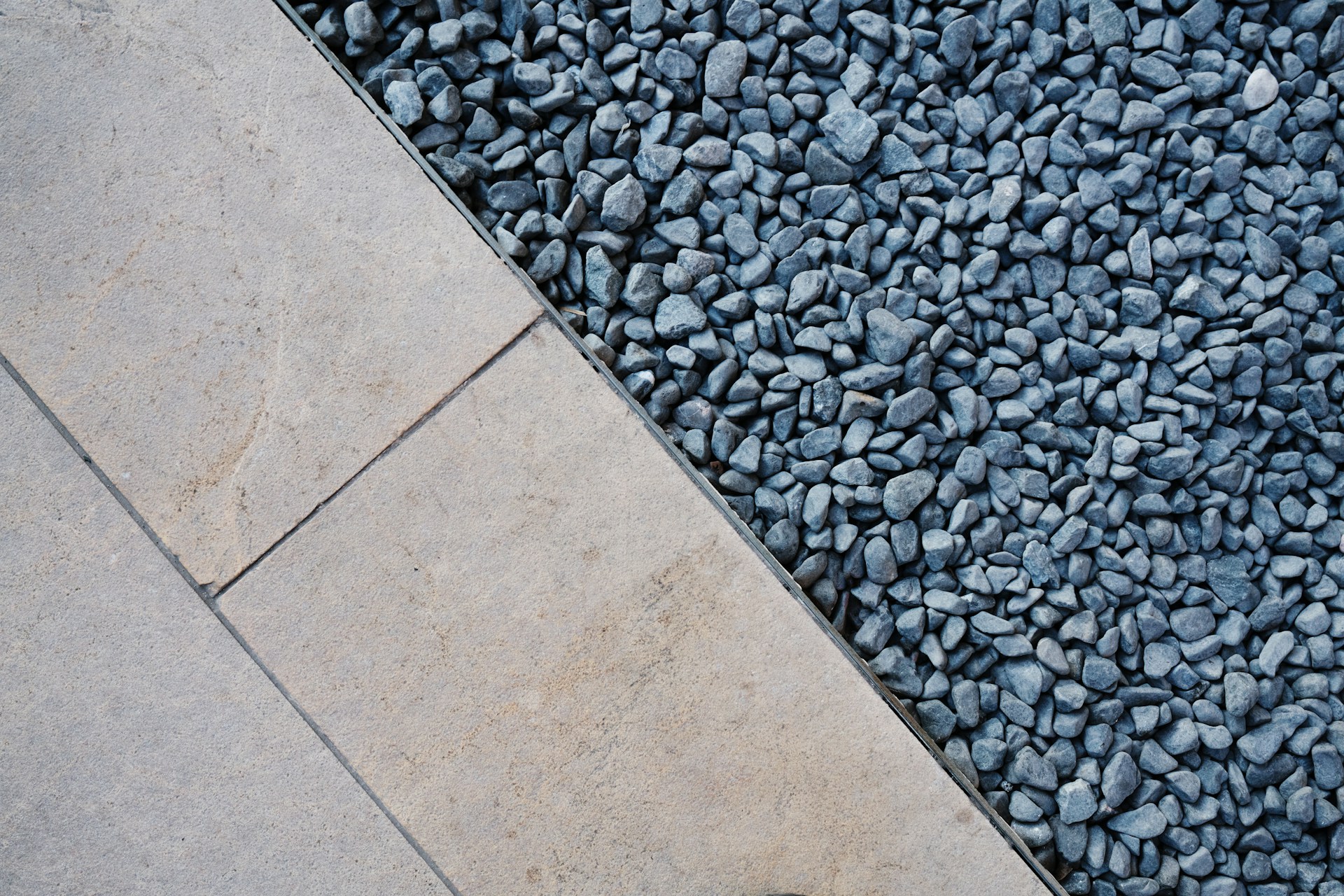
Angled or jagged pebbles, on the other hand, grip into the ground and into each other. Once in place, they interlock better, making them harder to kick up or shift.
Another thing to think about is weight. Heavier pebbles are harder to move, especially in open areas where wind or water might push smaller stones around. Lighter stones might be easier to lay down, but they’re more likely to end up in the grass or stuck in shoes.
Spread and compaction matter too. Dropping pebbles over a loose surface without packing them in or leveling the spot will almost always lead to shifting. Taking the time to compact the base helps keep the surface smooth, and layering the rocks evenly holds the look for much longer.
Picking the Right Pebble for the Right Spot
Different parts of a yard ask for different kinds of pebbles. A path people walk on every day isn’t the same as a quiet section behind a hedge. We look at where the stones are going before choosing what kind to use. At our yard, we carry a full range of materials, from pebbles to concrete blocks and stone, so it is easier to match each area of your project with the right product.
Here’s how we like to match stone type to its space:
• For walkways and driveways, go with medium to large jagged stones. These hold pressure and don’t slip out from underfoot as easily.
• Flower beds or tree bases do well with smaller, decorative pebbles. They fill small gaps, block weeds, and draw eyes without needing to carry weight.
• Sitting areas need some balance. The stones should look good but still offer enough grip to stay steady under furniture or foot traffic.
How uneven or sloped a yard is also changes what works best. A gentle slope might need a heavier stone to stop the flow of water from moving it. Flat ground gives you more flexibility with both size and shape. But if the ground isn’t prepped right, even the best pebble won’t sit well.
Common Mistakes to Avoid When Choosing Garden Pebbles
It’s easy to get drawn in by how a stone looks, but that can lead to trouble later. A smooth river rock, for example, might look clean and modern in a photo, but if spread across a busy path without support, it can turn into a mess. Certain pebbles are better for quiet corners where they won’t be touched much.
Skipping a solid base layer is another mistake that causes problems. If pebbles are placed directly onto dirt or loose soil, they’ll shift as soon as it rains or gets stepped on. Adding a compacted layer underneath, like crushed gravel, gives the pebbles something sturdy to rest on.
Another issue we see is mixing styles. Using different sizes or colors in places where pebbles are supposed to stay put can create uneven settling. Some sink in while others stay on top. That mix makes it harder for the whole zone to stay balanced and neat. It helps to stick to one type per space when strength and order matter most.
How Weather and Foot Traffic Play a Role
In many parts of the country, winter doesn’t just bring cold. It brings rain, shifting ground, and more wear across outdoor spaces. In places like Southern California, where we’re based, rainstorms can come in strong after dry months. That sudden rush of water in late winter or early spring can wash away light pebbles if they’re not packed in or surrounded with edges to block runoff.
Heavy foot traffic is another cause that slowly pushes pebbles out of place. A backyard path used every day by kids or pets will wear down faster than a quiet front yard corner. Over time, you’ll start to notice thin patches or stones kicked into nearby grass or planting beds.
To avoid constant cleanup, think about layout ahead of time. Some helpful changes include:
• Adding edging or barriers to define the space and stop the stones from spreading
• Using a base layer for stability
• Choosing pebbles that naturally grip into each other rather than roll freely
These steps don’t take long but make a real difference when it comes to keeping things in place for more than a few seasons.
Build a Yard That Stays Neat
Picking the right garden landscaping pebbles means fewer repairs, fewer cleanups, and fewer headaches over time. When the materials sit where they belong, the whole yard looks cleaner with less effort.
We look at things like weight, shape, size, and space to figure out what works best. No one solution fits every corner, but with the right kind of planning, pebbles don’t have to be a hassle. A little thought ahead of time keeps your yard neat, stable, and easier to enjoy all year long.
Planning a refresh for your outdoor space starts with the right materials from the ground up. We’ve worked with yards of all shapes and sizes, and choosing the proper base, size, and texture makes a big difference in how well everything holds together. Whether you’re considering a walkway, a bed around trees, or a decorative area out front, the right choice of garden landscaping pebbles helps keep your space looking clean with less effort. At Mr. Pavers, we’re here to guide you through your options. Give us a call and let’s find the perfect fit for your project.