Understanding Why Concrete Deck Blocks Move After Thaw Season
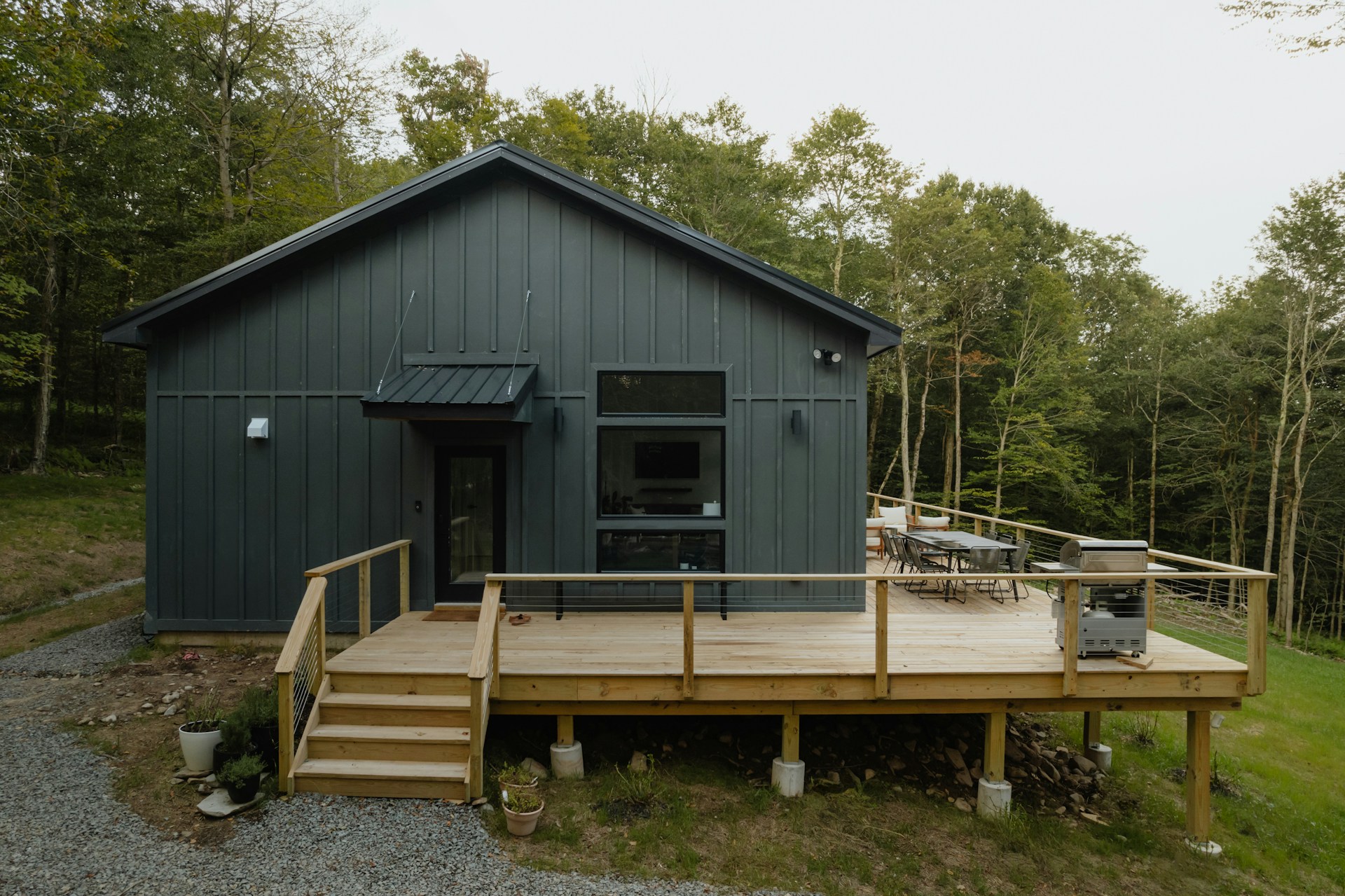
After a long winter, things start to shift, literally. Around this time of year, homeowners notice some odd changes outdoors. One of the most common surprises is that concrete deck blocks suddenly look off-center or uneven. You might see a corner dipping into the ground or a block that slid slightly out of place.
This is more than a small eyesore. Even in places without heavy snowpacks, cool ground temperatures and rain can impact how stable outdoor areas feel in late February. So if your backyard deck is showing signs of slight movement, there’s likely a reason, and it starts underground. Concrete deck blocks are strong, but the soil under them is often where problems begin. That soil has been through a lot over the past few months. Let’s look at why this movement happens and how to spot the signs early.
What Happens to Soil During the Thaw Season
As the weather warms up and spring approaches, the frozen ground underneath starts to change. That process causes more movement than many people realize. It all has to do with how soil reacts as it shifts between cold and warm temperatures.
Here’s what the soil goes through:
• Water trapped in the soil expands when frozen, creating extra pressure in tight spaces
• When the thaw sets in, the ice melts, and pockets of soft, wet ground form
• Some areas will dry out faster than others depending on how much sunlight or drainage they get
That uneven softening means the ground doesn’t settle in the same way across your yard. Anything sitting above it, like concrete deck blocks, will move along with those shifts. Over time, that causes tilting, bending, or even visible gaps between blocks and the deck frame.
Why Concrete Deck Blocks Shift in Early Spring
Heavy concrete may seem like it would stay in place no matter what. But its weight can actually work against it when the soil underneath is still soft or uneven from temperature changes.
Here are the most common ways this happens:
• The block’s pressure pushes into loose or thawing parts of the ground
• Uneven thawing causes one side of a block to dip lower while the other stays firm
• Wet spring weather shifts water flow underground, which can puddle under some blocks more than others
These subtle changes may not sound like much. But once a base moves even half an inch, everything on top starts to get pushed out of alignment. If those shifts continue, they’ll start to affect the whole deck structure.
Signs You Might Need to Inspect Your Deck Base
Most homeowners won’t dig around every block just to see what’s going on. But there are small clues that can help you decide whether a closer look is needed.
Watch for these signs as warmer weather starts to return:
• Gaps forming under or around the base of your deck blocks
• Blocks look like they’re leaning, tilting, or no longer flush with the wood or railings
• The deck itself starts to wobble when walked on, or it slopes on one side
These kinds of clues usually show up after weeks of melting and soft ground. If left untreated, continued deck use can make things worse by increasing pressure on the uneven areas.
How Local Weather and Soil Impact Deck Stability
Different parts of California have to deal with different conditions. In places like Jurupa Valley, we don’t get extreme freeze like some areas, but we do get cold snaps, rain, and a lot of early spring moisture. That mix creates the perfect situation for ground shifting.
Certain soil types make it worse. For example:
• Clay-heavy soil holds water longer, which means it stays softer after thawing
• Sandy soil may drain faster but doesn’t always offer solid support under heavy weight
• If your backyard has a mix of both, one area may shift while another stays put
Add in a few warm days and chilly nights, and it’s a recipe for small changes that easily throw deck blocks off course. When each part of the yard reacts a little differently to the season, no block is guaranteed to stay where it started.
Long-Term Solutions That Prevent Repeated Shifting
When a concrete deck block has moved once, it’s likely to do it again, unless something changes underneath it. Simply scooting it back into place might work short-term, but without strengthening the base, it won’t stay put.
Here’s what helps create a more stable setup:
• Removing the soft top layer of soil and replacing it with a stronger base beneath the block
• Adding better drainage nearby if water tends to collect in that area during rainy weeks
• Using compacted gravel or a sturdy foundation layer that can handle changes in temperature and weight
We’ve found that working with people who understand soil behavior in your region makes a huge difference. It’s not always about the block itself. Often, it’s the material underneath that determines whether your deck stays upright or keeps slipping year after year.
Keeping Your Yard Solid After Winter Ends
As the end of winter approaches, small changes in the yard can tell you a lot about what’s happening below the surface. Concrete deck blocks are often the first thing to show that something’s shifted. A tilted block or wobbly support might not seem serious at first, but it can lead to bigger support issues if left alone.
Spotting the problem early saves a lot of trouble later. We always suggest walking your space before spring kicks in fully. If any part of your deck looks uneven or unsure, that’s the time to act. Watching how your yard responds to warming weather helps stop minor problems from becoming major ones. Concrete deck blocks might look strong and simple, but their success depends mostly on what’s under them.
Deck blocks showing signs of movement or settling may mean it’s time to examine their support. As the seasons shift, the ground beneath your materials does not always remain stable, especially after a wet winter. At Mr. Pavers, we’ve seen how minor issues below the surface can lead to bigger challenges over time. To better understand the support and stability you need, take a look at how we handle concrete deck blocks and give us a call if your deck needs a more solid foundation this spring.