Steps to Fix a Block Concrete Foundation Before Planting Begins
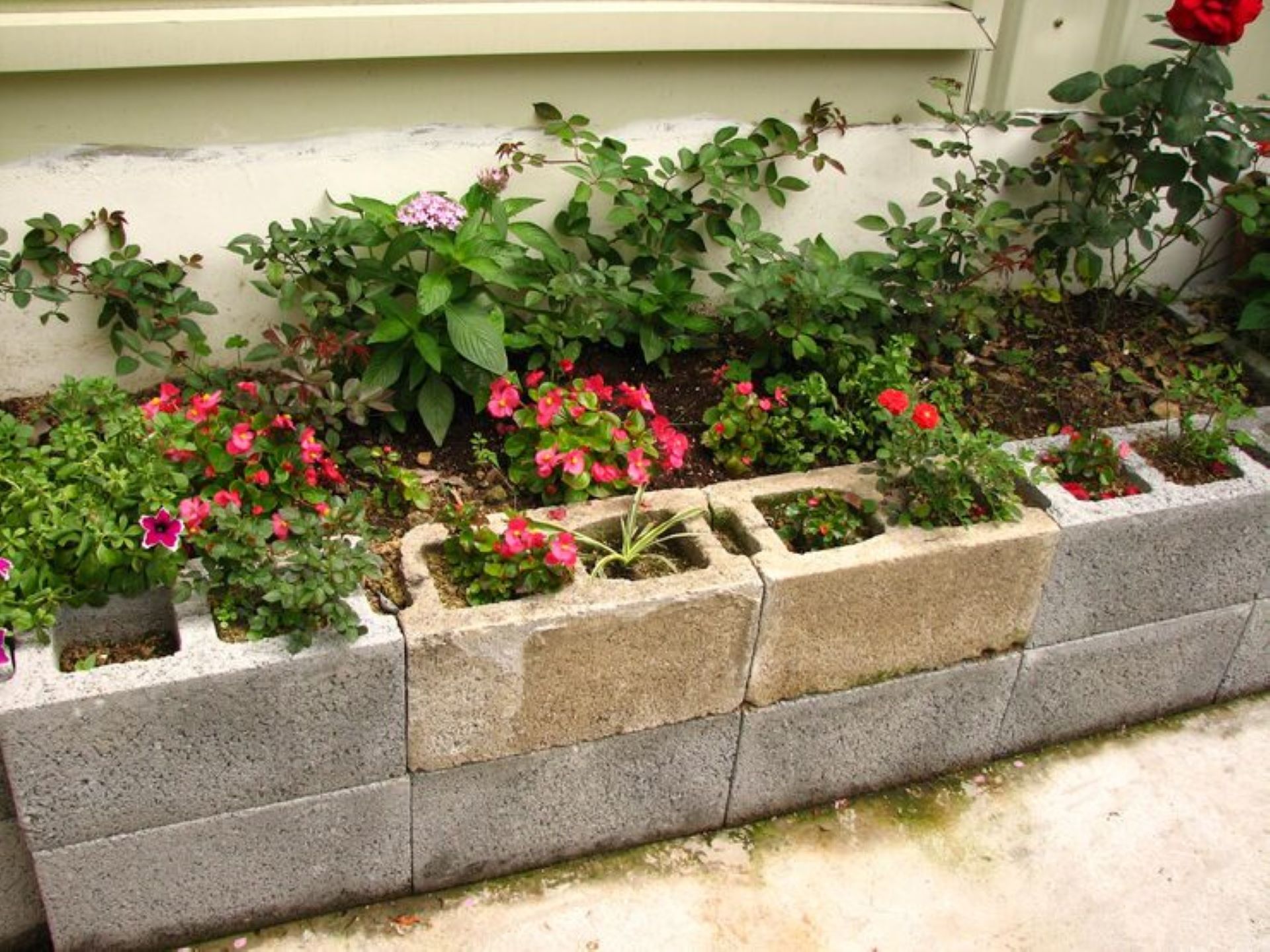
Late winter is a smart time to walk the yard and take stock of what’s going on beneath the surface. Before planting begins in early spring, it’s worth checking for any hidden issues that could slow things down later. One place we always pay attention to is the block concrete foundation under garden beds, sheds, or walkways. If something’s not holding firm now, it can lead to uneven ground, poor drainage, or even damage to nearby plants once spring growth picks up.
Cracks, shifts, or sagging along a block concrete foundation are more than just cosmetic. These problems often signal that underlying support has changed over the colder months. Spring moisture has a way of highlighting every soft spot. Getting ahead of these early makes the entire planting season smoother and keeps your projects on track.
Checking for Signs of Block Foundation Damage
Before doing any digging or planning, we like to walk the area slowly and take notes. It helps to know exactly where things look off.
Here’s what we watch for:
- Cracks along the mortar or block seams
- Chipped or crumbling spots at corners and edges
- Blocks that sit unevenly or look pushed out from the line
- Water pooling at the base or soggy patches in the soil nearby
- Gaps between the wall and adjoining features like fences, paths, or planters
Using a basic level across the top of the blocks can reveal subtle shifts. It’s also good to check if nearby features like doors or low fences seem misaligned. These little signs usually show up before the bigger problems do.
Understanding What Caused the Damage
Foundations don’t just shift overnight. Most of the time, it’s a mix of winter moisture and what’s going on underground. When soil freezes and thaws over and over, it can push blocks out of alignment. Then there’s root growth from nearby trees or shrubs that slowly press against the structure without much warning.
Sometimes we run into older foundation work that didn’t include proper drainage. If water has nowhere to go, it sits. That pressure weakens mortar and softens the base underneath. When this happens year after year, the structure starts to lean, crack, or dip.
Finding the cause of the problem helps us avoid doing repairs twice. If it’s roots, they’ll need managing. If it’s drainage, we’ll want to correct that before adding anything new on top.
Prepping the Area Before Any Repairs Start
We always clear the site around the foundation before making any kind of repair plan. That includes moving mulch, scraping back plant roots, and removing anything stored nearby. It gives us a clean view of what we’re really working with.
Next, we dig back several inches of topsoil along the length of the block wall. This lets us see if the damage is shallow or if it reaches deeper into the ground. It’s not uncommon to find issues that haven’t broken the surface yet.
To stay organized, we mark trouble spots with flags or chalk paint. It keeps things clear if you step away and come back later on. It’s a quick step that makes planning and repairs go a lot smoother.
Calling in Help to Get the Foundation Repaired
Once we know where the problem areas are, it’s usually time to call for help. Repairing a block concrete foundation means more than just filling cracks. It often involves re-leveling sections, sealing weak joints, or replacing full sections of block. That kind of work affects the stability of everything around it, so it’s not worth guessing through it.
Spring is a good season for this kind of repair because the ground hasn’t been fully planted yet, and it’s still soft from winter moisture. That means less digging effort and fewer roots in the way, especially when fixing long stretches of damaged block.
Professionals can also spot early signs of future problems, so they do more than just patch up what’s visible.
Getting the Surrounding Soil Ready for Spring Planting
Once the wall is back in shape, the next step is taking care of the soil that runs next to it. We start by reshaping the land so water flows away from the foundation instead of toward it. That might mean building in a gentle slope as we move the dirt back into place.
To improve how water moves through the soil, we usually mix in materials like sand or gravel. In wetter yards, fill dirt helps create firmer footing around the foundation too. At our Jurupa Valley yard, these materials are available in both bulk and smaller quantities to match different project sizes. These additions give you more control over how fast water drains without soaking garden roots.
Before planting anything nearby, it helps to give the soil a chance to settle. We usually wait at least a week, sometimes longer depending on how much reshaping was done. That way, the new plants won’t sink or shift after they go into the ground.
A Stronger Start for Your Spring Garden
Checking up on the block concrete foundation before spring planting begins might not be the most exciting job, but it pays off quickly. Fixing problems under the surface now helps everything stay stable through the wet weeks of early spring and even into summer. A clean surface and healthy structure mean fewer delays and better planting conditions when warmer days arrive.
A solid garden starts from the ground up. By getting the support systems right, from the foundation to the soil next to it, the rest of the season gets easier to manage. That’s less hassle and more growing time once seeds and plants go in.
At Mr. Pavers, we understand the importance of starting with a solid base for any outdoor project. Making sure your soil settles evenly around a stable block concrete foundation leads to long-lasting results, better drainage, and fewer issues as your garden grows. Whether you’re repairing a raised bed or preparing for new features, our team is ready to help you get your foundation right before spring planting takes off, just give us a call to get started.