What to Know About House Construction Materials That Resist Season Swings
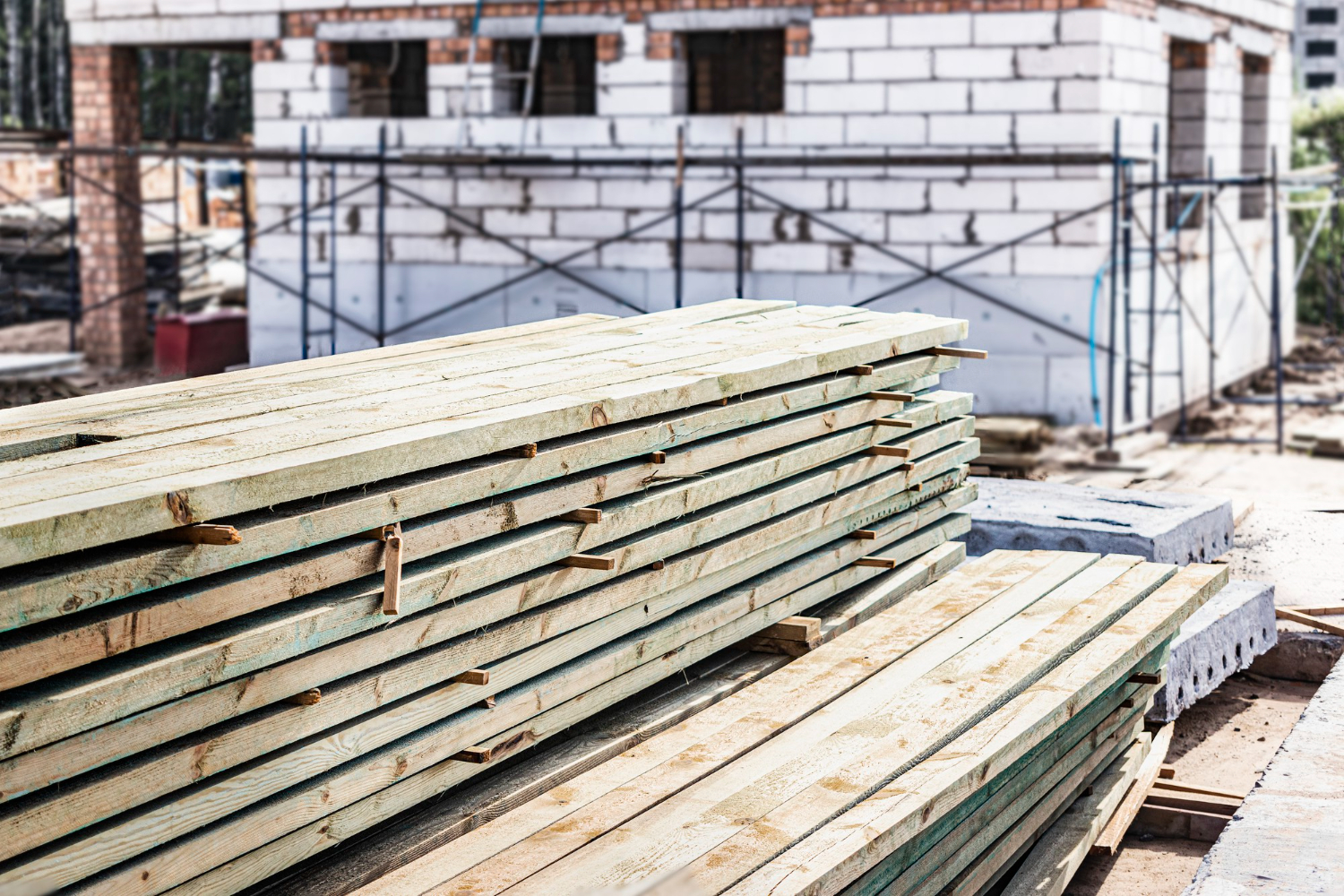
Spring is around the corner, and while it might not bring harsh cold or heavy storms for most places, it still brings shifts that can mess with home structures. Even in climates with mild winters and early warming, the ground can settle, soak up moisture, or heat up too fast. That’s where smart planning around house construction materials comes in. Choosing the right materials now can help protect the home later in the year as conditions shift from cool mornings to sunny afternoons. We use the term “season swings” to describe what happens in these in-between months, when the weather can feel unpredictable and steady building work needs to keep up. When materials can handle those natural ups and downs, repairs get less frequent, and your build stays solid longer. At our Jurupa Valley, California, location, we stock options such as pavers, gravel, sand, decomposed granite, mulch, natural stone, and decorative stone so builders and homeowners can match materials to real-world weather and site needs.
Material Strength and Seasonal Shifts
Whether it’s a slab foundation or a front-facing brick wall, different materials react differently when seasons change. We’ve seen it firsthand, especially when winter moisture builds underground and meets the first few weeks of spring sun. That quick shift in temperature can lead to:
- Hairline cracks showing up on walls or other visible surfaces
- Surface fading or texture damage caused by wind or too much sun
- Shifting or slight movement in areas that weren’t properly settled
Materials like concrete, stone, and some masonry blocks hold up better when they are properly cured and chosen for the job. Poor curing or using materials that don’t match your local weather can lead to early wear. Spring makes small weaknesses easier to spot, which is why choosing wisely in the first place makes such a big difference. When a product is dense, layered well, and naturally resistant to everyday weather, it saves repeat work down the road.
Features That Help a Material Last Longer
Not all building materials are made the same. Some stand up better when moisture levels rise and drop. Others bend or shift when the air goes from cold to warm within a day. If long-term durability is the goal, especially through changing seasons, these features matter most:
- Low absorption rates to limit water buildup
- Outer finishes or coatings to shield internal layers
- Compressive strength that keeps materials from warping under stress
We’ve noticed that items with heavy internal bonding tend to settle more evenly. This keeps them stable when soil movement happens. Texture plays a role too. Some surface finishes give extra grip or allow expansion without ruining structure. It’s often the details that help a block or paver last twice as long while dealing with seasonal changes.
Matching Material With Purpose and Position
Where a material is used plays just as big a role as what it’s made of. Foundations have different needs than a second-story wall. Driveways, where cars press down, need more strength than a garden path. Some of this might sound obvious, but it’s a common mistake to use a one-type-fits-all solution. Think about these points before putting anything in the ground:
- Foundations and driveways need strong, stable materials that won’t shift under heavy pressure
- Outer walls and sunny sides of homes should use UV-treated or color-holding options
- Areas under trees or with slope changes may need help with drainage or foot traffic
Even the same product can act differently depending on where it gets placed. One section of a yard may stay dry while another always stays soft after rain. Matching the material to the location helps us avoid trouble. We try to look ahead at not just the next season, but several down the line. From our shop, materials like natural stone, cobbles, pavers, and landscaping aggregates are available in both bulk and smaller quantities, which makes it easier to choose what fits each position around the home.
How Springtime Affects Install and Performance
Spring tends to catch people off guard because it comes after slower weather. Maybe things froze or soaked through in winter and now thaw out. That change can mess with the soil, make setting uneven, or reveal where water gathers by mistake. This time of year is when a strong material choice can work with, not against, the environment. For example:
- Moisture caught in cold weeks lingers in lower layers and shifts as it warms
- Expanding materials press against softer materials or misaligned borders
- Planning for natural shifts in March helps reduce emergency fixes in May
Even if it feels like the weather is fine already, that doesn’t mean problems aren’t forming underground. This is the stretch where installing with spring in mind can improve both how a home looks and how it sits.
Built to Handle the Seasons
Planning for season swings doesn’t call for perfect weather forecasting. It’s more about understanding what works where you live and building with that in mind. When we focus on how materials perform over time instead of just how they look now, everything holds up better. Solid house construction materials aren’t just tough, they’re picked with the future in mind.
Each part of the home serves a different job, and the materials deserve that same kind of personalized care. Choosing smart now (before long hot days return) puts you ahead and helps hold back wear and tear as the year rolls forward. Construction isn’t just about the build. It’s about the work that keeps working long after the tools get packed up.
At Mr. Pavers, we know that building on a solid foundation is important for performance through every season. Choosing dependable materials for your home’s exterior, walkways, or structural support can make all the difference in durability and longevity. Our wide selection is designed to handle the demands of changing weather. To discuss the best house construction materials for your upcoming project, reach out to us today.