Understanding the Spring Use of Concrete Building Block for Flower Beds
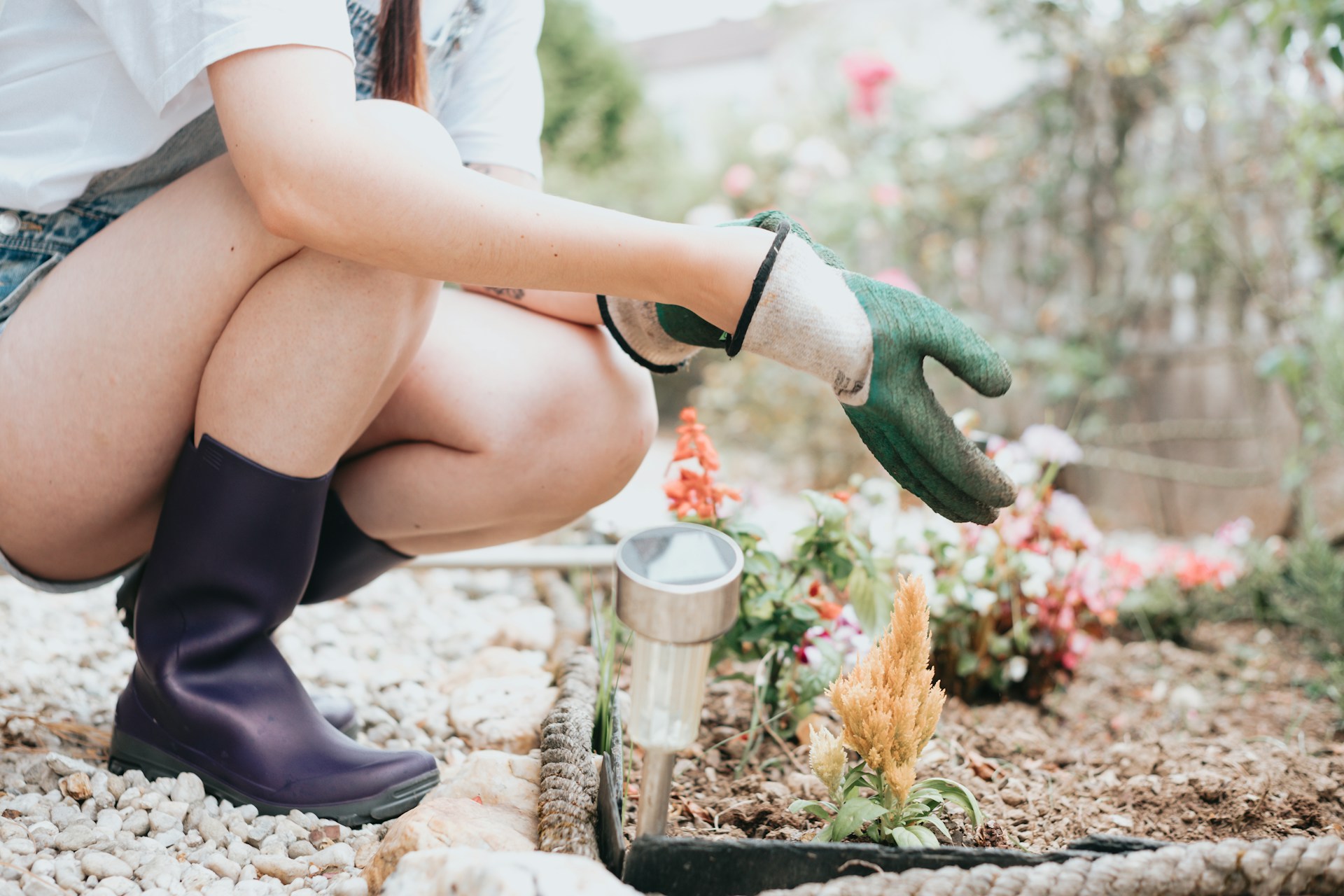
Spring is when things start moving outside. Plants wake up, soil loosens, and flower beds need attention after the quiet stretch of winter. Around this time, many people start looking for ways to shape their garden areas and keep things neat while helping the soil do its job. One simple material that often gets picked this time of year is the concrete building block. At Mr. Pavers in Jurupa Valley, California, we supply concrete blocks along with pavers, gravel, cement, sand, and mulch for a wide range of outdoor and garden projects.
A concrete building block might not seem like much at first, but it offers more than just weight and shape. It can help keep flower beds in order, stop soil from washing away, and give plants a steady place to grow. Still, the way it gets used makes a difference. The blocks you choose, where you place them, and how you set them up will affect drainage, shape, and how plants settle in once the growing starts.
Choosing the Right Block Style for Your Garden
Not all blocks work the same way. Picking one that fits your yard can save work later. Both solid and hollow blocks have their uses, especially when shaping flower beds.
Solid blocks are good when you want firm edges that hold their shape. They sit low and won’t shift easily. Hollow blocks are lighter, often easier to move, and can sometimes hold extra soil or tuck in plants as they grow.
Weight plays a part too. Heavier blocks work better for flat landing spots or short retaining walls, but they’re harder to fit around tight curves. Lighter or smaller blocks bend around flower beds with gentler borders or winding shapes.
Different yards need different setups. For steep ground or backyards with runoff, it helps to choose blocks with good holding power. Flat yards may do fine with thinner units stacked in shorter rows. Getting the right kind makes building easier, and it holds up better once rain and heat kick in.
Building for Spring Soil and Water Movement
Early spring brings wet soil, especially in places with heavy rain or leftover moisture from winter. That’s why flower beds need to roll with the water, not block it. Without the right setup, flower beds get soggy, roots sit in water, and plants do not have space to settle.
There are a few ways to help water move the right way:
- Use gravel or crushed stone underneath and behind block walls to let water seep through
- Leave tiny gaps between blocks to allow slow drainage instead of letting water pool
- Shape the bed to guide runoff away from roots instead of toward them
These steps shift some of the pressure off the soil. When water has a way out, it does not pile up behind the wall or wash away the dirt. That gives plants more breathing room and helps those first spring flowers grow stronger.
Positioning and Layering Tips for Cleaner Beds
When building with any border material, it all starts with the base. If the first layer is not even, the rest of the wall will not sit right either. Laying that row on stable ground makes everything above it hold tighter.
To get cleaner beds, think through the shape and ground before stacking blocks. Here is what we have seen work best:
- Level the first row using gravel as a base
- Adjust block height to follow the natural slope of the yard
- Do not press the rows in too close to tall plants, which need airflow up top and root room below
Lining up rim blocks neatly helps the bed pop. If the wall curves, keep all sides balanced. That keeps weeds down later and stops mulch from sliding out. It also makes mowing nearby cleaner when the flower bed sits firm.
Common Mistakes When Using Blocks Around Plants
It is easy to make a few design choices that seem small but turn into bigger problems once spring weather kicks in. Most mistakes happen during setup, especially when people forget how fast things start growing or pooling water starts messing with soft ground.
Here are a few common things we suggest avoiding:
- Placing blocks right on top of roots or too close to thin soil
- Forgetting to create an outlet for water, which makes it sit behind the wall
- Using dark-colored blocks that heat up fast and dry out plant bases
Even the best beds need space to breathe. Sometimes a block wall stops movement instead of giving shape. When that happens, it stresses the plant roots or traps water where it should not sit. That is why giving open space between beds, lawns, and paths matters for a tidy yard that stays that way.
When a Concrete Block Bed Makes Sense
Not every yard needs firm edges. But when you want flower beds to stay where they are put and hold up under weight, wind, or space limits, a sturdy concrete block setup can be a good option. Some yards handle soft edges just fine, but others need more stable pieces that stay in place over time.
Block beds work well when:
- The soil tends to shift or wash out during spring rains
- The owner wants to keep the same bed shape for years, not rebuild habits each season
- Walkways or play areas are close by, meaning the bed might get bumped or stepped on
In those spots, stacking blocks as a firm border makes life easier. It protects roots, keeps soil where it belongs, and shortens the prep time when warm weather hits again next year. With over 30 years of experience serving local homeowners and contractors, we have seen how concrete blocks provide reliable support for flower beds and other garden features across a variety of yard conditions.
Made to Last Through the Season
Flower beds change fast this time of year. Between new growth, temperature swings, and weekend projects, it is helpful to use materials that hold steady as the season shifts. A concrete building block makes that easier when it is placed with care and matched to the yard’s shape.
Blocks do not need to take over the look of the garden, but they do need structure. Layered on strong bases and spaced in clean lines, they carry the weight of wet soil, protect roots from water pooling, and keep edges sharp. When the rows settle well and the layout supports natural drainage, flower beds stay cleaner all spring. The plants grow better, roots stay cooler, and upkeep feels more relaxed week to week.
Preparing your flower beds for spring is all about creating strong, clean edges that last, and with the right supplies, you can make a lasting impact. A solid base and proper drainage are important, and pairing them with a quality material like a concrete building block helps your garden stay sharp and steady. At Mr. Pavers, we believe fresh garden edges do more than just look great, they make maintaining your space easier, too. Let us know if you need guidance with planning or sourcing the ideal block option for your project.