Understanding the Right Gravel for Garden Drainage Patterns
When prepping your garden for spring growth, drainage isn’t usually the first thing that comes to mind. But how water flows through your soil can shape how well your plants grow, or fail to grow. The materials you choose for paths, borders, and beds can make that difference.
Using the right kind of gravel keeps water from sitting in the wrong place. That matters a lot in garden spots that get heavy use after winter, like walkways or low areas that usually stay damp. Pebbles for the garden do more than look neat and organized. If chosen well, they help prevent water from pooling. And when water moves the right way, plants thrive.
We’re sharing how gravel works with different soil patterns and where it can help most. Whether you’re updating beds or laying out new paths, it helps to know what kind of gravel makes the biggest difference in drainage.
How Drainage Affects Garden Health
Too much water doesn’t just look bad, it puts stress on your plants. Roots need both air and water to stay healthy. If water stands still in one place, roots get weak and sometimes rot. If water runs off too fast, it misses the soil completely.
Gravel helps balance that by encouraging water to flow through the surface while slowing it just enough to soak. When a garden drains well, it prevents:
- Puddles that drown delicate plants
- Soil from washing away during a storm
- Roots from shifting in soggy conditions
Where gravel is placed and how it’s layered changes how water behaves. Get that part right, and the rest of the garden structure works much better.
Gravel Basics: What Makes One Type Better Than Another
Not all gravel serves the same purpose, especially when it comes to drainage. Some types allow water to filter through freely. Others compact more easily, which might block water or redirect it in the wrong direction.
Here’s a closer look at common options:
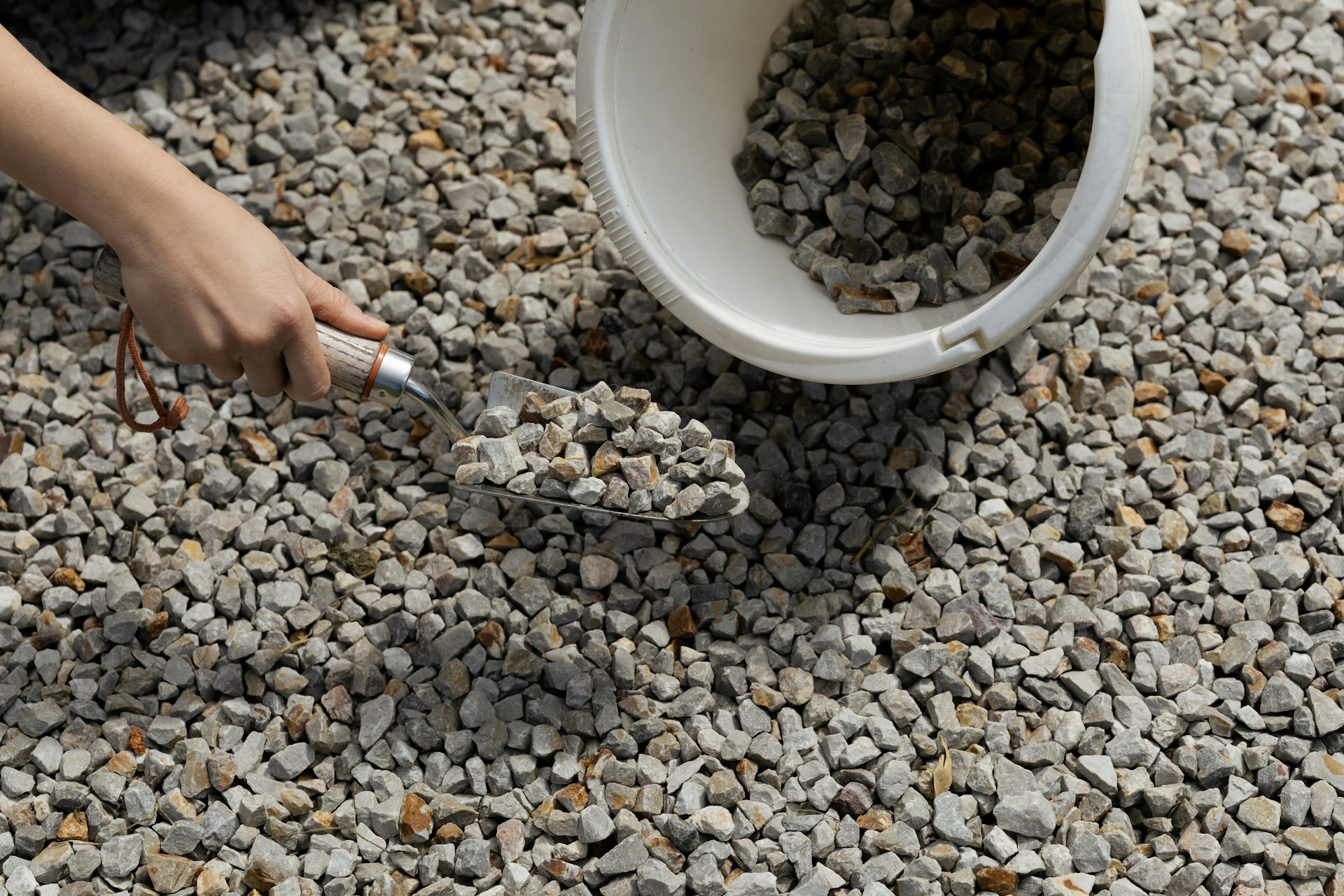
- Rounded pebbles: Smooth and decorative, they’re great for garden borders or beds where you want water to sink in slowly
- Crushed stone: Sharp-edged pieces hold shape better and are good under heavy-use paths where water needs to escape quickly
- Decomposed granite: Finer and softer, often used in walkways, but may need occasional leveling to prevent pooling
Matching size and shape to the purpose matters. The wrong gravel could trap water or shift during heavy rain, undoing your work.
Good Places to Use Gravel for Drainage
Gravel can be useful in several parts of a yard, especially during spring when runoff increases from wetter weather. Knowing where to focus gravel use helps keep your garden drier and easier to maintain.
Smart places to add gravel include:
- Around flower beds and shrubs to support steady drainage and reduce shallow pooling
- Between stepping stones and pavers to allow space for water and prevent dirt buildup
- Beneath roof edges or at the end of gutter downspouts to stop soil erosion
Once it’s set in the right spots, gravel doesn’t just control how water moves, it makes daily care of your yard less frustrating.
Matching Gravel to Southern California Soil Types
In places like Jurupa Valley, California, soil tends to be dense and slow to drain on its own. Many yards in this region include a mix of clay and compacted fill. That makes spring the right time to rethink where gravel can give your soil better flow.
Clay-heavy soil holds water longer than sandy or loose types. That might sound helpful at first, but too much retention can easily flood roots. Gravel helps by creating space within the top layer of soil. That way, moisture filters naturally without staying too long.
When matched correctly, gravel works in two ways. It prevents wet spots from sticking around, and it helps soil soak up water during drier months. Both of those matter during the seasonal shift from rain to warm sun.
Picking and Laying Out Pebbles for the Garden
Once you’ve picked the type of rock, how you place it matters just as much. Good drainage depends on more than the material itself. Layers, depth, and location all change the result.
Here’s how to start strong:
- Build up gravel in layers: Start with a base layer of larger rock, then cover with smaller pebbles on top
- Keep depth consistent: Around one to two inches for beds, and three to four inches for high-use sections like walkways
- Stay clear on slope direction: Water needs a place to travel, not a spot to collect
Be careful about overusing garden fabric. It may seem helpful, but it can trap water if placed under gravel without any slope or drainage channel. In most cases, stick to gravel alone unless you have a solid plan for how runoff will move away.
Better Drainage Means Less Garden Stress
When you use the right gravel in the right places, things get simpler. Fewer muddy spots to fix. Less worry every time it rains. Plants stay steadier, and paths stay walkable even after a downpour.
Spring is a good time to plan for better water control. Soil is soft, roots are getting active, and sunlight is on the way. Choosing smart materials, like the right pebbles for the garden, sets the stage for a stress-free season. A bit of time now can prevent a whole lot of clean-up later.
Rework your yard this spring with drainage materials that make all the difference. Using well-placed pebbles for the garden reduces soggy areas, keeps walkways firm, and gives plant roots the breathing room they need. At Mr. Pavers, we offer options designed for Southern California soils that remain stable when the weather changes. Let us help you secure the right materials before the next rain hits and get in touch to discuss your garden’s needs.