How Mulch Can Conserve Water In Your Garden
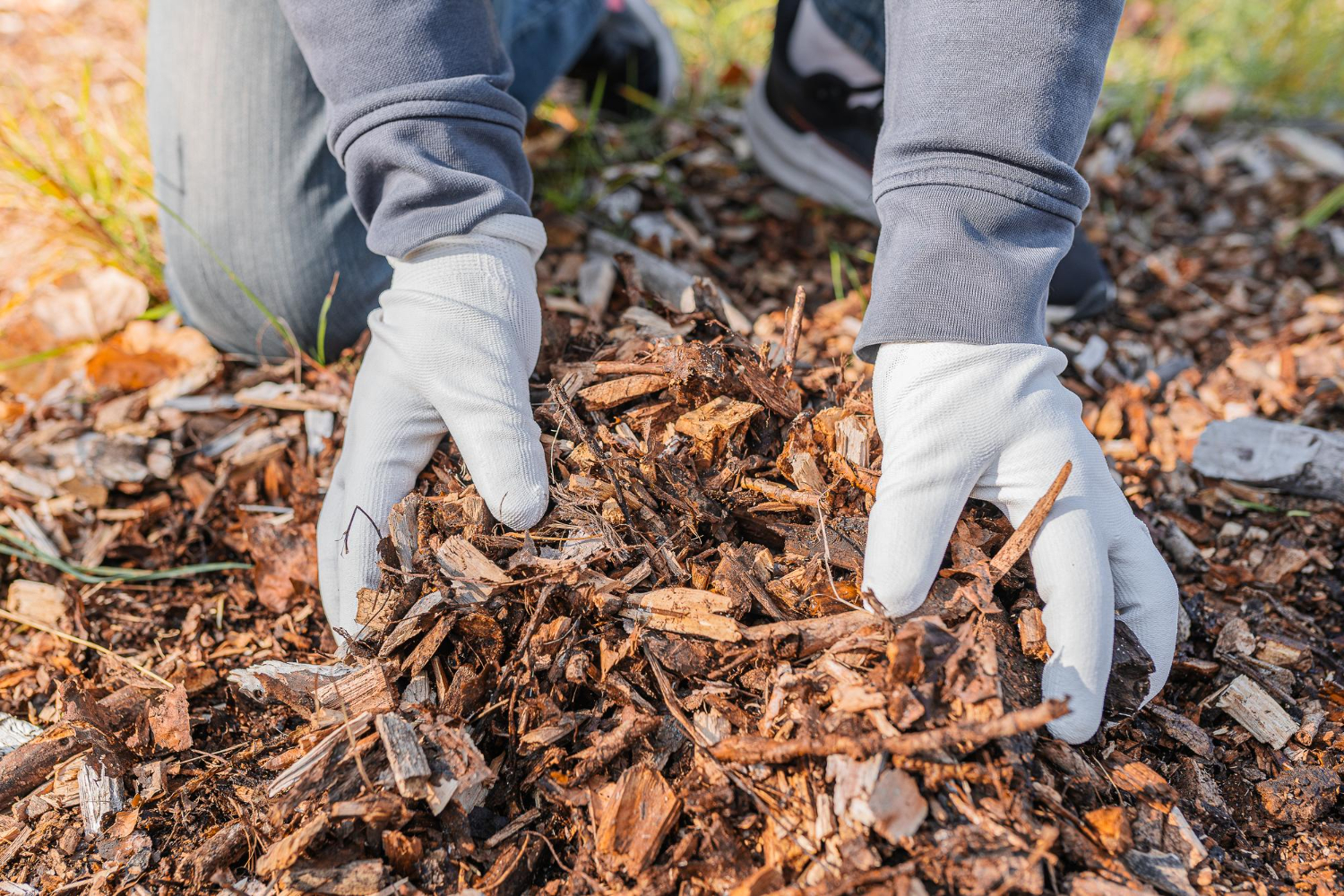
During the warmer months, keeping plants healthy and well-watered can feel like a full-time job. Sprinklers and hoses help, but if moisture doesn’t stick around long enough, your efforts can go to waste. That’s where mulch steps in. It’s not just a finishing touch to make your garden look tidy. Mulch plays an important role in how soil retains water, helping your plants stay hydrated longer without constant watering. With the right use of mulch, your garden can hold onto moisture more efficiently, which makes a big difference during dry spells.
By spreading mulch around trees, shrubs, and garden beds, you’re adding a layer of protection. That layer acts like a sponge and barrier at once, slowing down evaporation and shielding the soil underneath. This small change in your landscape maintenance routine can lead to fewer dry patches, healthier roots, and lower water bills. Whether you’re trying to maintain a vegetable plot or just keep your flower beds happy through the summer, mulch makes it easier to support your garden without overwatering.
How Mulch Helps Retain Moisture
Mulch works in a few ways to hold moisture where your plants need it most. Think of it like a soft blanket for your soil. When the sun beats down, uncovered soil can dry out fast. Water from recent rain or irrigation quickly evaporates, especially in open or sandy areas. But once you add mulch, you’re setting up a buffer that helps lower water loss.
Here’s how mulch helps your soil stay damp longer:
– It slows down evaporation by blocking direct sunlight from hitting the soil
– Moisture gets locked in the top layers of soil beneath the mulch
– Rainwater or runoff moves more gently through mulched areas, soaking in instead of causing puddles or erosion
– In cooler seasons, mulch keeps plants warmer, while in hot weather, it stops heat from baking the ground too fast
Another benefit is that mulch reduces water runoff. When water hits bare soil, it can pool or slide off, especially on a slope. Mulch helps keep it in place long enough to soak in. And because roots have better access to steady moisture, plants aren’t as stressed and tend to grow stronger. Over time, you’ll probably notice fewer wilted stems and a healthier look overall.
Let’s say you’ve got a row of tomato plants. Without mulch, their roots are constantly drying out between watering sessions. But by adding a 2- to 3-inch layer of shredded bark or straw, you’ll keep the soil under them noticeably cooler and moister during the day. Less water is lost, which means your plants have what they need for longer periods.
Types of Mulch Best for Water Conservation
Not all mulch types hold water the same way, so choosing the right one matters. Some options break down over time and feed the soil, while others stay in place longer without as much upkeep. The right type depends on your garden’s needs, layout, and how much work you’re willing to put into maintenance.
Here are a few mulch varieties that help conserve water effectively:
1. Bark Mulch
– Comes from tree bark, usually in shredded or nugget form
– Great for long-term coverage around trees and shrubs
– Helps block sunlight and retains soil moisture
2. Wood Chips
– Natural-looking and easy to spread
– Keeps water in the ground beneath and breaks down slowly
– Avoid fresh wood chips near young plants, as they may tie up soil nutrients
3. Straw
– Lightweight and very effective at covering vegetable garden beds
– Allows water in while slowing down evaporation
– Best if replaced regularly and kept weed-free
4. Shredded Leaves
– A cost-effective option using what you already have
– Works best when slightly composted first
– Helps both conserve water and improve soil structure
5. Gravel
– A good inorganic option for areas where organic mulch might blow away
– Doesn’t break down, which means less replacement over time
– Provides decent moisture retention when laid correctly over landscape fabric
Each of these types has its place depending on your goals. For water-saving purposes, aim for organic mulches in garden beds and consider gravel near pathways or desert plants where moisture control is needed but organic matter isn’t ideal. Always think about placement, sunlight, and plant type when picking your mulch. That way, you get both the water savings and the visual balance your garden needs.
Proper Mulching Techniques for Maximum Water Conservation
Applying mulch the right way can make a huge difference in how well your garden holds onto water. To start, make sure the soil underneath is prepared. This means removing weeds, loosening the soil surface, and perhaps even lightly watering if the ground is particularly dry. A well-prepped base helps mulch fit snugly, allowing it to do its job better.
Once your soil is ready, follow these steps for effective mulching:
1. Choose your mulch type based on the plants and garden style
2. Spread a layer of mulch about 2 to 4 inches thick over the soil surface, starting a bit away from plant stems to avoid rot
3. Make sure the mulch is evenly distributed, without gaps or mounds that can trap moisture or lead to pooling
4. Recheck and fluff the mulch occasionally to prevent compaction and maintain airflow
This approach helps ensure mulch covers uniformly and moisture stays put, cutting down on how often you need to water.
Additional Benefits of Using Mulch
Mulch doesn’t just conserve water. It offers a host of other practical advantages. For instance, mulch can significantly cut down on weeds. By blocking sunlight, it prevents them from sprouting in the first place, saving you from constant weeding. This makes your garden look cleaner and reduces competition for nutrients with your plants.
Another perk is improved soil health. As organic mulch breaks down, it enriches the soil with nutrients. Think of it as giving your garden a slow-release fertilizer that strengthens your plants over time. Healthier soil also supports a wider range of beneficial soil organisms that support root development and nutrient absorption.
Lastly, let’s not forget about aesthetics. Mulch provides a neat, finished look to garden beds and paths, complementing the natural beauty of your plants. Whether it’s the rugged texture of bark mulch or the polished appearance of gravel, mulch can enhance the overall design of your landscape, offering both functionality and style.
Keep Your Garden Thriving with Mulch from Mr. Pavers
Making sure your garden stays lush and green takes some thoughtful planning, and mulch plays a big role. It helps conserve water, reduce plant stress, and improve the surrounding environment your plants rely on. Whether you’re new to gardening or have years of hands-on experience, paying a little extra attention to how you use mulch can make a noticeable difference.
Use this overview to take a fresh look at your garden’s needs and see how small changes can lead to lasting benefits. By choosing the right type of mulch and using it properly, you’re placing your garden on a stronger path. Making mulching a regular part of your garden routine means less hassle and more time enjoying your outdoor space.
To elevate your garden’s potential with quality materials, consider using mason supplies from Mr. Pavers. We’ve been helping gardeners like you create beautiful, efficient outdoor spaces for decades. Start enhancing your garden today with our high-quality solutions crafted to support both aesthetic appeal and water conservation efforts.