Why Are Your Pavers Shifting: Common Causes And Fixes
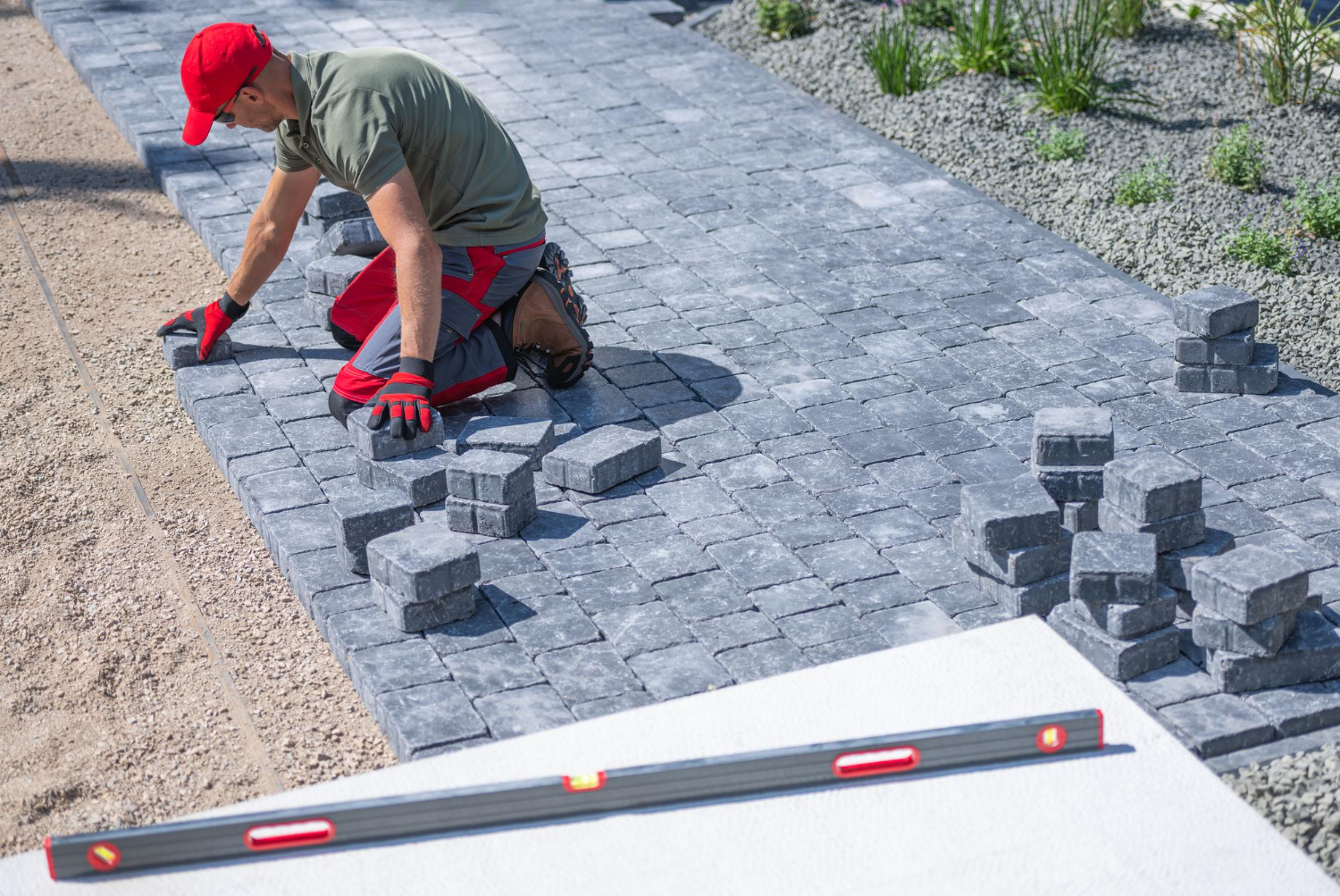
Pavers make outdoor spaces look polished and organized, whether it’s a backyard patio, garden path, or driveway. But when they start to shift or tilt, they can quickly go from looking neat to feeling uneven and frustrating. This kind of movement doesn’t just mess with how things look—it can lead to tripping hazards, water drainage issues, and long-term damage to the surface underneath.
There are a few common reasons why pavers start to move around, and understanding the cause is the first step toward a long-lasting fix. Sometimes it’s due to how they were installed, sometimes it’s the ground below them acting up, and other times it’s the weather or moisture. Let’s break down the usual causes so you can spot problems early and know what to look out for when something seems off.
Common Causes of Shifting Pavers
Most of the time, pavers don’t shift right away. The change is slow, but over time, you might notice the surface isn’t flat anymore or a few pavers feel loose under your feet. These issues are usually linked to one of three problems: the base layer, water flow, or installation errors.
1. Inadequate Base Preparation
The base layer is the foundation of any paver setup. If it’s too shallow or not packed down well, the pavers will start to settle into the ground unevenly. This leads to dips, high spots, or even cracking of the surface materials. A proper base usually includes several inches of compacted gravel followed by a layer of sand. Skipping steps or cutting corners during the base prep sets up problems for later.
2. Poor Drainage
Water isn’t kind to hardscapes if it sticks around. Without the right drainage, water can build up under the pavers and weaken the base, causing the material to sink or shift. Heavy rain or even regular watering from your garden hose can slowly wash away materials beneath the surface if there’s no place for the water to go.
Here’s what to watch for:
– Pooling water near your paved area
– Damp spots that don’t dry out quickly
– Growth of moss or mildew between pavers
3. Improper Installation
If pavers weren’t installed using the correct patterns or weren’t cut and fit correctly around curves or edges, they’re more likely to move. Even small misalignments can lead to larger gaps forming over time. These gaps allow room for movement each time someone walks or drives over the area. Incorrect edge restraints or uneven sand layers can also cause shifting where pressure is applied unevenly across the surface.
A simple example: think of placing puzzle pieces on a soft mat. At first, they look perfect, but as you step on them, they slide around. That’s what happens when pavers aren’t laid with the right shape, pressure, and support underneath.
Getting to the root of why yours might be shifting is the key to fixing the issue and stopping it from happening again. Sometimes it’s all three causes working together, which makes it even more important to take a closer look before deciding on the next step.
Effective Fixes for Shifting Pavers
Tackling the issue of shifting pavers might feel a bit tricky, but there are practical solutions that can help restore your paved area to its former condition. Starting with a solid foundation is key, so addressing the base is often the best bet.
First, consider re-compacting the base. This involves lifting the pavers and rebuilding the base with properly compacted materials. It might take a bit of elbow grease, but carefully laying down layers of gravel and sand and compacting each layer can prevent future movement. Think of it like stacking a tower of blocks—you want the bottom layers to be as sturdy and tight as possible.
Improving drainage solutions is another effective fix. Make sure water has an easy path away from your pavers, so it doesn’t end up causing trouble beneath the surface. This might mean adding a slight slope to your landscape or installing a drainage system to carry water elsewhere. If you catch pooling water early, you can often avoid much larger issues down the line.
Lastly, re-laying your pavers correctly once the foundation is set is important. Align them snugly together and make sure the edges are supported tightly to prevent any room for movement. Secure the perimeter so it holds everything in place, much like a picture frame keeps its artwork from slipping out of place.
Preventive Measures
Taking steps to prevent shifting pavers not only saves time and effort in the long run but also keeps your outdoor area looking consistently neat. Regular maintenance is the first line of defense. Check for any signs of movement or wear every so often, as small issues can be managed before they grow into bigger problems.
Choosing quality materials makes a noticeable difference. Durable brick units, for example, hold up well against the elements and resist breaking down over time. Material choice often plays a big role in long-term reliability, especially when subjected to heavy use or changing weather.
A smart design and solid planning can also go a long way toward preventing problems. Think of it like planning a home improvement project—if you skip over important planning steps, the final result won’t last. Take into account your local soil conditions, the amount of foot or vehicle traffic your surface will handle, and your regional climate before laying down the first layer. Pressure, weight, and moisture levels all impact how well your pavers will stay in place.
Finding the Right Help
Sometimes it’s best not to go it alone. If your pavers are shifting and you’re unsure how to fix it properly, asking for professional help makes sense. A trained team can spot installation mistakes, identify weak points in drainage, and recommend the right mix of materials and designs that last.
Whether you’re working on a driveway, walkway, patio, or garden feature, a second set of trained eyes and some experienced hands could save you from repeating the same mistakes or watching your pavers come loose again later on. Pavers are meant to bring ease and beauty into your space—not daily frustration.
Mr. Pavers has supported outdoor projects since 1993 with expert advice and a large selection of dependable materials. Our team is here to help make your project easy and built to last.
Keeping Your Pavers in Place
Keeping your outdoor spaces looking crisp and functional involves both fixing existing issues and putting a plan in place to prevent future ones. By understanding what causes pavers to shift, you can prevent future damage and save yourself hassle and repair.
Think about regular upkeep as small actions that pay off big down the road. Combine that with quality materials and good planning, and you can stop paver shifting before it even starts. Taking action early means fewer repairs, fewer headaches, and more time enjoying your space.
Whether you’re fixing a small area or planning a full renovation, smooth sturdy pavers are possible with the right approach. Keeping your paths and patios level makes your space look better and keeps it safer for everyone who walks across it.
Ready to stop the frustration of shifting pavers? Trust Mr. Pavers to guide you in selecting high-quality brick and other durable materials to ensure your outdoor spaces remain secure and beautiful. Our team offers the knowledge and a wide range of options you need to craft pathways and patios that endure. Begin your project today with trusted solutions that make maintaining your pavers a breeze.