Filling Cracks In Your Concrete Blocks
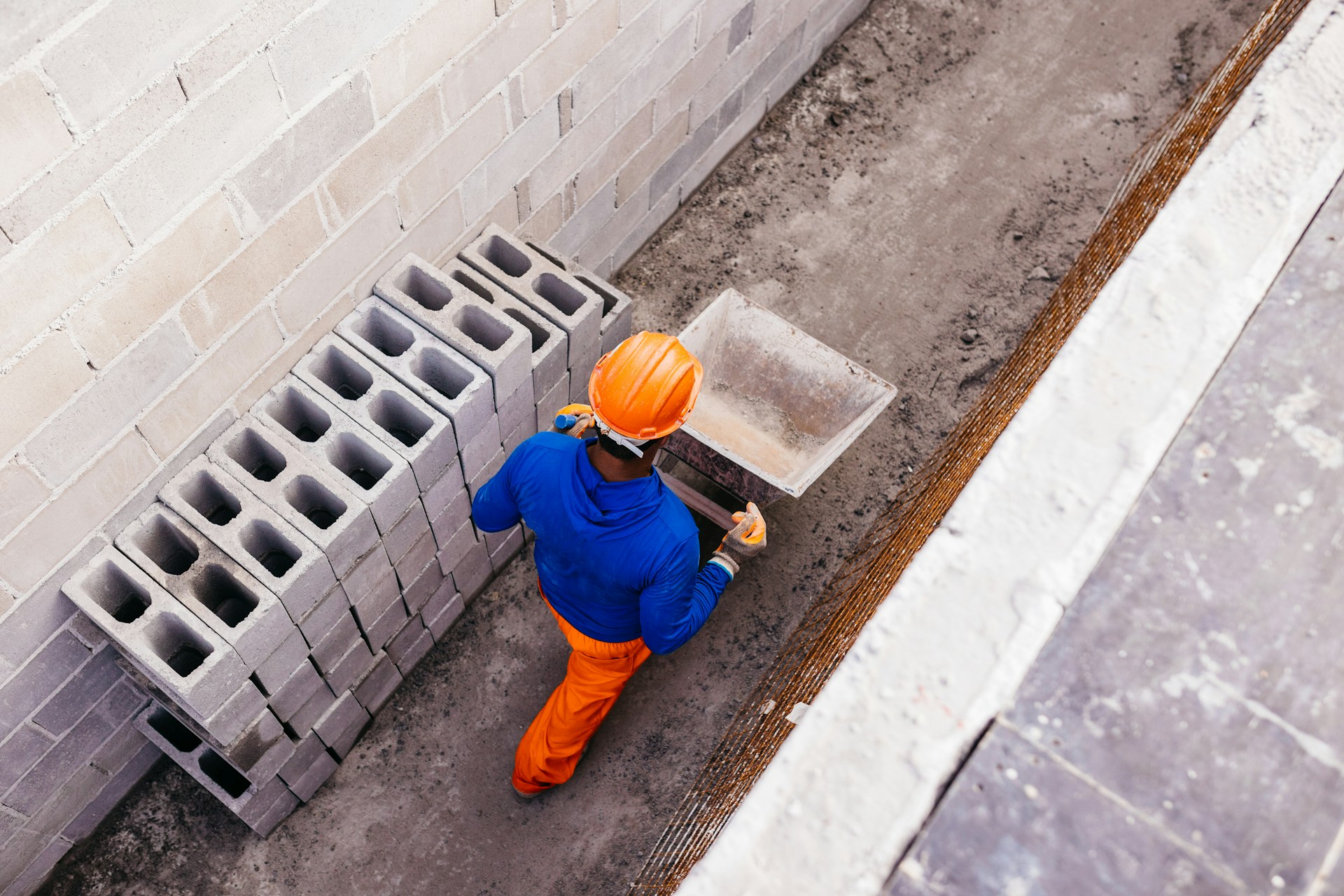
Concrete blocks are built to take on a lot—weight, weather, movement—but over time, they can still show signs of wear. One of the most common problems is cracking. These cracks might seem like no big deal at first, but leaving them alone only invites more trouble down the line. Water can seep in, temperature swings can make it worse, and before you know it, a small issue turns into a major repair.
Fixing cracks early helps keep things stable and looking clean. Whether it’s your garden wall, steps leading up to the porch, or a concrete block retaining structure, a little attention now can save a lot of effort later. Taking care of these gaps gives your blocks a longer life and helps avoid deeper damage over time.
Understanding The Causes Of Cracks
Not all cracks mean the same thing. Figuring out why they formed in the first place helps you choose the right fix and prevent them from coming back. There are a few common reasons concrete blocks crack, and understanding these can make diagnosing the problem a lot easier.
1. Weather changes – Concrete expands when it’s hot and shrinks when it cools. Over time, this cycle causes tension in the blocks and can lead to cracks forming, especially if the concrete wasn’t mixed or installed properly to begin with.
2. Moisture buildup – Water can be tough on concrete. If water gets inside the blocks and freezes, it expands. That pressure can force cracks to form, especially around the edges.
3. Soil movement or settling – Over years, the soil under or around a structure can shift. When the ground moves, parts of the block surface might settle unevenly, causing cracking along stress points.
4. Too much weight or pressure – Concrete blocks hold up well, but too much load beyond what was originally planned like added structures built on top or constant heavy traffic can stress them beyond their limits.
5. Poor installation – If base prep was rushed, or the blocks weren’t aligned correctly, that lack of support can create weak spots. Those areas become the first ones to crack when pressure or weather changes occur.
As an example, imagine a low retaining wall built with concrete blocks in a backyard. If the ground underneath wasn’t compacted well or if water tends to pool near its base, cracks can appear just a year or two later. By recognizing what caused them, you’re able to choose the best repair strategy and take steps to stop the issue from happening again, like improving drainage or reducing plant overgrowth nearby.
Preparing For Repair
Before jumping into repairs, some prep work goes a long way. A good repair starts with knowing what you’re looking at and getting everything ready before mixing a single patch.
Start by inspecting the cracks:
– Look at how wide and deep they are. Thin hairlines may only need filler, while larger ones might require patching.
– Check if the crack is growing. Mark the ends with a pencil and check back after a day or two.
– Look for water spots or signs of shifting. These could be clues that the issue comes from below the surface.
Once you’ve figured out what the job calls for, gather the tools. You’ll typically need:
– A stiff brush or wire brush to clean the area
– A chisel and hammer to widen out larger cracks for better patch adhesion
– Safety gear like gloves and goggles
– A vacuum or blower to clear dust and debris
– The filler or patching mix that suits your crack size and depth
One of the most important steps is making sure the crack is completely clean before you start. Dirt, loose bits of concrete, or plant roots can get in the way of a solid repair. Use the brush or a quick rinse with water, then let it dry. If moisture is trapped during the repair, the mix might not bond well, and the problem could return even faster.
Taking your time with prep leads to stronger, longer-lasting fixes. And it puts you on the right path for the repair stage, which is where the real transformation begins.
Methods For Filling Cracks In Concrete Blocks
When it’s time to patch up those cracks, knowing which materials to use is key. Different cracks need different treatments. For small cracks, concrete filler works well. It’s easy to apply and fills gaps that aren’t deep or wide. For bigger problems, consider using concrete patches or even epoxy injections. These materials are more durable and better suited for structural repairs.
Here’s a step-by-step guide for small crack repairs:
1. Clean the crack thoroughly, removing all debris and dirt.
2. Use a concrete filler, applying it with a caulking gun for precision.
3. Smooth the filler with a putty knife to make it even with the rest of the surface.
4. Allow the filler to dry completely according to the product instructions.
For larger cracks, follow these steps:
1. Widen the crack slightly using a chisel and hammer. This provides better grip for the repair.
2. Clean out the debris and dust thoroughly.
3. Mix the concrete patching compound according to the package instructions.
4. Use a trowel to fill the crack with the patching compound, pressing it in firmly.
5. Smooth the surface with the trowel and allow it to dry as recommended.
If you’re handling major structural cracks, epoxy injections might be necessary. This involves injecting epoxy directly into the crack, which bonds and reinforces the material. This is a bit more advanced and might require some professional assistance.
Post-Repair Maintenance
Repairing cracks is half the battle. Keeping up with maintenance ensures your efforts last. Begin by sealing the repaired areas. A good sealant acts as a barrier, protecting your blocks against water infiltration and environmental damage. This simple action can prevent future cracks and prolong the life of your concrete structures.
Regular checks are also important:
– Inspect the concrete blocks every few months to catch new cracks early.
– Ensure proper drainage near the structure to avoid water pooling, which can lead to cracks.
– Keep an eye on surrounding vegetation. Roots can grow into cracks, widening them over time.
Maintaining your concrete blocks doesn’t have to be complicated. With a routine inspection and a little care, you can minimize damage and keep your structures looking great.
Strengthen Your Concrete Blocks for the Future
Remember, addressing cracks early saves you time and trouble down the road. By understanding why cracks happen and taking the right steps to repair and maintain them, you’re investing in the long-term health of your concrete blocks. Whether it’s fixing a crack in your garden wall or a larger repair project, being proactive makes a big difference.
For significant repairs or if you feel stuck, don’t hesitate to reach out to experts who can provide the right advice and materials for the job. They can guide you through advanced repairs or help ensure the finest results. A strong, well-maintained concrete structure is the foundation of a lasting, beautiful outdoor space.
By taking the right steps to keep your concrete blocks in tip-top shape, you’re preserving the strength and appearance of your outdoor spaces for years to come. If you’re ready to tackle any current issues or want to prevent future ones, explore our range of materials for concrete blocks at Mr. Pavers and let us assist in your repair journey.