Tips For Resurfacing Deteriorated Concrete Blocks
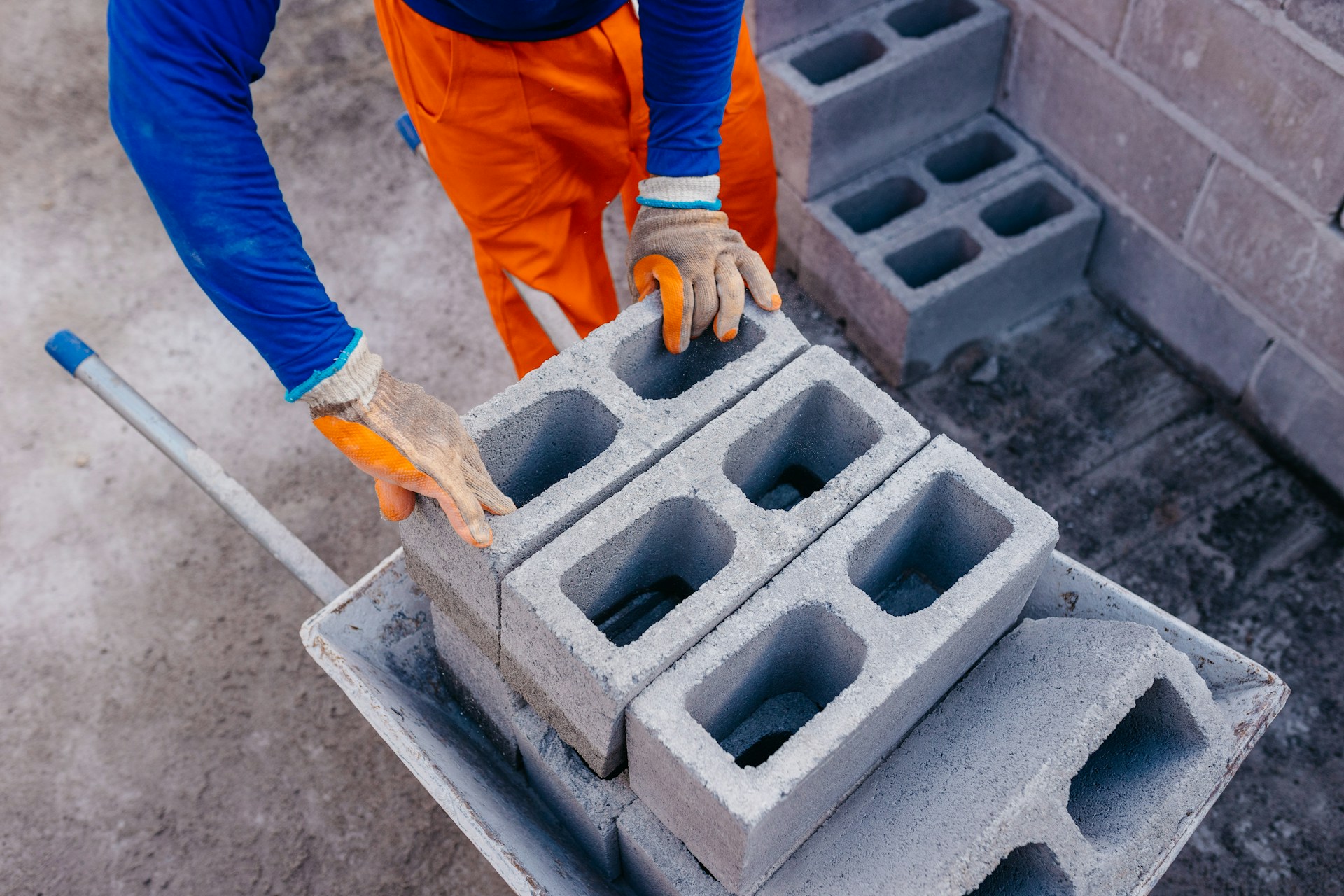
Concrete blocks are all around us. In retaining walls, patios, garden borders, steps, and even foundation walls. Over time, though, they start to wear down and lose their clean look. Cracks, chips, and rough patches show up, usually from weather exposure, shifting soil, and simple age. You don’t always need to replace them completely to bring them back to life. Most of the time, resurfacing is a smart way to upgrade how they look and function without tearing everything out.
Keeping concrete blocks in decent shape is key for looks and strength. Letting them go too long without care can cause the damage to spread or get worse. Resurfacing gives new life to tired blocks and saves time and money compared to full replacement. It also helps improve curb appeal and extends the lifespan of your structure with a few basic steps. Whether it’s to fix cosmetic issues or to address deeper surface damage, staying ahead of the problem can make a big difference.
Assessing the Condition of Concrete Blocks
Before jumping into repairs, you’ll want to check just how bad things are. Knowing what to look for helps decide whether resurfacing is even the right move in the first place. Not every little scar is worth fixing, but some damage can’t be ignored without risk of bigger problems.
Here are common signs that your concrete blocks could use resurfacing:
1. Small surface cracks that run along the face but don’t go deep
2. Flaking or chipping on corners and edges
3. Uneven coloring or surface stains from water or sun exposure
4. Slight settling or erosion at the base
5. Moss or plant growth in cracks and joints
Light cracks or flaking can usually be fixed with simple prep and a surface coat. But if blocks are crumbling, leaning, or separating from each other, it’s worth talking to a professional. Sometimes underlying issues like drainage or structural stress need to be fixed before any resurfacing takes place.
To figure out the extent of the damage, tap along different areas with a small hammer or your knuckles. Listen for hollow sounds or soft spots, which can point to more serious wear. If you’re unsure how deep the problem goes, it’s best to bring in someone with experience. They can help decide whether resurfacing is good enough or if more work needs to happen underneath.
Preparing the Surface
Getting the surface ready is where everything starts. Skipping or rushing this part usually leads to a short-lasting result. Preparation helps resurfacing materials stick better and keeps old damage from bleeding through into the new finish.
Start with a deep clean. Remove all the dirt, dust, leaves, or loose pieces sitting on the block surface. A stiff brush and water might do the trick, but a pressure washer can help knock off stubborn buildup like mildew or plant growth. Let it dry well before moving to the next steps.
After it’s clean, take a closer look for:
– Loose flakes or weak areas that need chipped away
– Old paint or sealants that might block bonding
– Plants or moss growing between block joints
– Spots that still hold moisture or have signs of mold
Any cracks or small holes should get patched before resurfacing. Use a concrete patch mix or repair compound and make sure it’s smoothed out evenly. Let repairs cure according to product instructions. Even tiny patch jobs can help avoid air pockets and weird surface results later.
Try not to rush the prep work. One small missed crack or wet patch can lead to flakes, peeling, or weak spots once the resurfacing material is applied. Think of this part like setting the stage. The cleaner and more even your base is, the better your final outcome will look and perform.
Choosing the Right Resurfacing Material
When it’s time to resurface, choosing the right material makes all the difference. The right resurfacer not only masks minor imperfections but also bonds well with the existing surface for lasting results. Two popular choices are concrete resurfacers and cementitious overlays. Both options fill in cracks and provide a fresh finish, but they work best for different situations.
Concrete resurfacers are great for fixing issues that are mainly on the surface. They’re easy to mix and apply, providing a nice, smooth finish. A cementitious overlay, though, offers a little more versatility. It’s a thicker mix that’s ideal for blocks with more noticeable damage. This type of overlay can create various textures, making it easier to achieve the look you want.
Keep these points in mind when selecting material:
1. Extent of damage: For minor cracks and a smooth, new look, go with a concrete resurfacer. For more pronounced wear and some texture options, choose a cementitious overlay.
2. Desired finish: Resurfacers often aim for a sleek, uniform look, while overlays can mimic stone, tile, or a unique texture.
3. Material quality: Always choose high-quality materials to support durability and appearance.
Understand the needs of your specific project before making a choice. A little planning ensures your resurfaced blocks look good and hold up well over time.
Steps for Resurfacing Concrete Blocks
Ready to start resurfacing? Grab your materials and follow these steps. The key to success is mixing and applying the resurfacer with care. Combine the resurfacing mix according to the package instructions, using a mechanical mixer if possible for a consistent and lump-free result.
Here’s how to apply the resurfacer:
– Start small: Work in sections, especially if it’s hot outside, to prevent the mix from drying too fast
– Use a squeegee or trowel: These tools ensure an even spread over the block surface. Begin at one end and move carefully, filling any remaining gaps or cracks
– Aim for evenness: Keep a steady hand and watch for pooling or air bubbles. This is where experience helps make a difference
– Curing: Once you apply the resurfacer, allow it plenty of time to cure. Avoid stepping on or wetting the surface during this time
Once cured, your concrete blocks should look as good as new. Follow the instructions for drying time based on your chosen material and current weather conditions.
Keeping Your Resurfaced Concrete in Top Shape
After all that effort, you’ll want to keep those blocks in top shape. Regular maintenance helps extend the life of the new surface. Cleaning them often prevents dirt buildup and stains. A mild detergent with water, used with a soft brush, usually works well for general cleaning.
Sealing the surface is another helpful step. It guards against moisture, sun fading, oil spots, and other wear. Choose a sealant that works best for your climate and use case. Some help block water, others repel oil or resist grime. It’s usually a good idea to reseal about once a year.
Avoid things that may damage the new surface. When doing yard work, keep heavy tools and equipment from banging into the blocks. Try not to let standing water sit for long periods. If you notice stains or discoloration, clean them quickly so they don’t set in. These habits all help keep your blocks looking sharp.
A Fresh Look for Your Concrete Blocks
Resurfacing gives concrete blocks a chance to look new and work better again. Fixing visible damage early and picking the right materials can stretch the life of your structure and make it more attractive. A smooth, strong base and good preparation go a long way in getting the best finish.
It doesn’t stop after the resurfacing work is done. Keeping up with cleaning and sealing will protect your time and money investment. Concrete blocks that stay in great shape don’t just look good—they help boost property value and resist weather damage too.
With the right care and materials, your resurfaced blocks can hold up well year after year.
Restoring the look and durability of your concrete structures is both satisfying and smart. If you’re considering giving your outdoor spaces a facelift, let Mr. Pavers guide you through selecting high-quality materials for your concrete blocks. Trusting experienced suppliers is key to enhancing your home’s curb appeal and ensuring lasting results.