Top Construction Tools For Seasonal Projects
Seasonal construction work comes with its own set of challenges. Changing weather, shorter daylight hours, and unpredictable outdoor conditions can all affect progress. Having the right construction tools becomes more important than ever during the fall.
It’s a time when many outdoor projects wrap up before winter hits, so working smarter and faster helps keep everything on track. Whether it’s hardscaping, prepping for early winter maintenance, or finalizing a slab pour, the tools you use can either get the job done or slow you down.
Tool choices depend on the type of work and how the weather is shifting. Wet and cold conditions demand different tool features than summer does. Tools that resist rust, offer better grip in cold hands, and stay functional in cooler temperatures are worth every penny. That’s why focusing on the basics helps—tools that are reliable, easy to use in fall conditions, and designed with comfort and function in mind.
Essential Hand Tools For Fall Construction
Hand tools are usually the first things packed in a toolbox, and for good reason. They’re dependable, don’t rely on batteries, and work well regardless of temperature. In fall, when the ground may be damp and rain can hit without warning, having the right hand tools can make all the difference.
Here are some standout hand tools for fall construction:
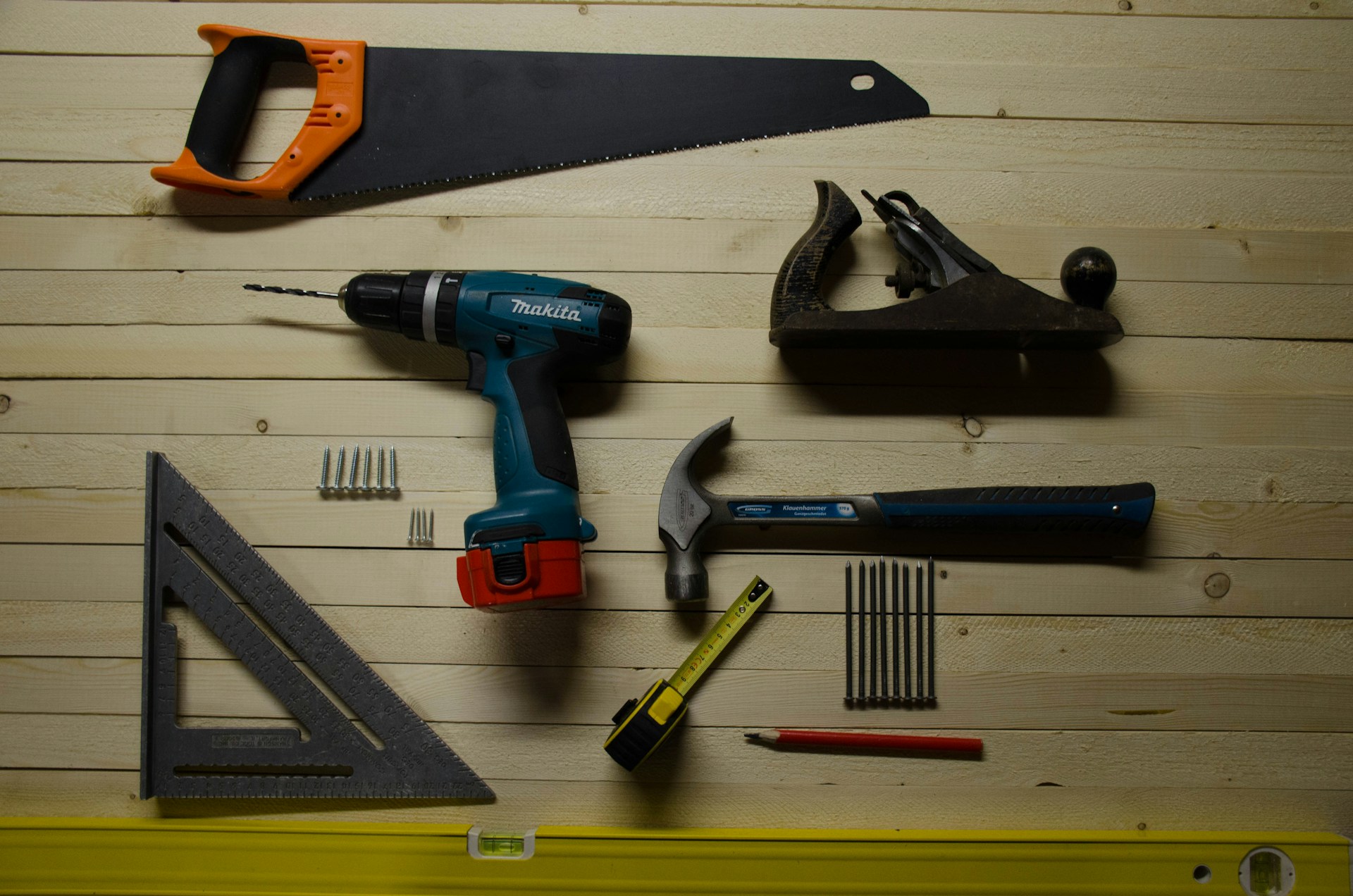
– Claw Hammer: Whether you’re setting forms or pulling nails from wet frames, a well-balanced hammer with a strong claw comes in handy.
– Level: Wind and soft ground can throw things off, so using a good level keeps walls and frames straight.
– Utility Knife: Perfect for trimming tarps, foam boards, and bags. Carry extra blades because damp weather dulls them faster.
– Hand Saw: When power isn’t available or the task is light, a handsaw delivers clean cuts through PVC and wood.
– Tape Measure: Used over and over for marking spots and checking distances. Look for one with a strong standout and a lock that holds firm.
Tool design plays a bigger role in colder conditions. Grips should work well with damp gloves and metal parts shouldn’t rust easily. Wiping tools with a light coat of oil can help extend their lifespan through the end of fall. Solo workers should look for hand tools that handle well and don’t require an extra set of hands to operate.
Must-Have Power Tools For Efficient Work
When the temperature drops, it often means projects need to speed up. Power tools keep jobs moving when working by hand becomes tough, especially with stiff joints and thick gloves. Fall brings its own set of conditions, so power tools must perform well in wetter or colder environments.
Here are must-have power tools for fall:
1. Cordless Drill/Driver
Perfect for anchoring, drilling, and even mixing small batches of material. Look for a drill with solid torque and a long battery life.
2. Circular Saw
Handles large cuts quickly. Choose one with a blade guard that won’t jam from dust or flying leaves.
3. Angle Grinder
Good for cutting rebar, smoothing rough concrete, or trimming bricks. This tool handles cleanup and finishing work with ease.
4. Reciprocating Saw (Sawzall)
Ideal for demolition or tight-space cutting. A rubber grip helps it stay secured, even with wet gloves.
5. Jobsite Lighting
Less daylight means you’ll need dependable lighting. A rechargeable LED unit gives visibility to avoid missteps and improve accuracy late in the day.
Keep multiple charged batteries within reach, especially if using cordless tools. If you’re working somewhere that runs off generator power, keep a small toolbox with spare cords nearby. Light rain and wind may get in the way, but a solid set of power tools will carry the work forward and save time.
Safety Gear And Accessories
Cooler temperatures and slick surfaces mean safety steps up a notch this time of year. A few well-chosen safety items can make fall jobs safer and more manageable.
Start with gloves that keep hands warm but flexible. Non-slip coatings help you grip tools even if they’re wet. For headgear, a helmet is a must, especially for job sites where wind can move debris. Make sure the strap lets you adjust the fit quickly if you’re wearing a beanie or cap underneath.
Safety glasses are just as useful during colder months. Clear, anti-fog lenses stop mist from blocking your vision, especially when your body heat meets cold air. To protect hearing, ear guards should block out both power tool sounds and howling wind. They should fit snug without being uncomfortable.
Don’t forget footwear. Shoes with good grip make walking over wet job sites safer and help improve stability for long hours of work.
Seasonal Maintenance And Storage Tips For Tools
Once projects start wrapping up, it’s time to care for the tools that made the work possible. Good maintenance means those tools will be ready for your next job, whether it’s a winter task or something lined up for spring.
Follow these steps for keeping your tools in good shape:
1. Cleaning
Use a soft brush or compressed air to clear fine dust. Wash surfaces with mild soap and water, then dry right away using a cloth or towel.
2. Lubrication
Spray moving parts with a light lubricant. This keeps hinges, gears, and joints from rusting or stiffening over the off-season.
3. Sharpening
Cutting tools like blades and bits should be touched up using a sharpening stone or powered sharpener. Always clean debris off before starting.
4. Storage
Put tools in a cool, dry place that has good airflow. Use silica gel packets to limit moisture. If you store tools long-term, a small dehumidifier can help protect metal parts from rust.
A clean tool sheds less grime on the next job and lasts longer, which adds value over time. It only takes a little effort now to prevent big problems later.
Keeping Your Project On Track
Fall has a way of putting pressure on construction work. With changing weather and shrinking daylight, the window for outdoor work gets smaller. Having gear that holds up and keeps things moving makes all the difference. A dependable mix of hand tools, quick-cutting power tools, smart safety tools, and seasonal maintenance gives you a better shot at wrapping up before the cold hits hard.
By keeping your toolbox simple but effective and maintaining equipment as you go, you stand a better chance of hitting deadlines and avoiding project delays. Good tools make tough jobs easier. When each part of the job runs smoother, you not only save time—you finish stronger and more prepared for whatever comes next.
Worried about tackling your next project with fall’s unpredictable weather ahead? Ensure you’re prepared by exploring construction tools at Mr. Pavers. A reliable selection will keep your projects moving smoothly despite the seasonal changes.