Choosing Durable Stone Material For Cold Climates
If you live in an area where cold weather sticks around for months, picking the right stone material for your outdoor spaces matters a lot. Not all materials hold up well when things freeze, thaw, snow, and freeze again. What looks great in fall might not survive the winter if it’s not tough enough. That’s why choosing stone that works with your climate, not against it, can save a lot of time and money down the road.
Freezing conditions don’t just chill the air. They work their way into the nooks and crannies of your stonework, especially when moisture is involved. Water that seeps in will expand as it freezes, prying apart the surface from the inside out. Over time, that can lead to cracks, flaking, or pieces breaking off. If you’re preparing for long, cold months ahead, especially with projects like walkways, walls, or patios, knowing what you’re working with makes a big difference.
Understanding Cold Climate Challenges
When it comes to stone and cold weather, the freeze-thaw cycle is the biggest thing to watch out for. Any moisture that sneaks into the stone’s pores or surface might seem harmless at first. But once temperatures drop, that trapped water expands when it freezes. That pressure starts breaking the stone down bit by bit. Over time, it weakens the structure and details, whether it’s a pathway, a retaining wall, or driveway edging.
Spalling is another issue. This is what it’s called when thin layers of the stone start to peel or chip off. It happens more often when stone absorbs moisture and it gets cold again and again. This doesn’t just look bad. It affects how safe those surfaces are to walk on and how long they’re going to last.
Not every type of stone reacts the same way. Some are denser, resist water better, and don’t crack as easily. Others are more porous and break down quickly unless properly sealed. Even high-end stone won’t last if the wrong material is used for a project that deals with high moisture and freezing. Here are a few common signs of cold weather wear:
– Uneven surfaces or bulging spots from trapped water
– Surface chips and cracks, especially in corners or seams
– White or chalky buildup in damp areas, a sign of salt or water damage
Being aware of how environmental stress works on your materials helps you plan smarter. It’s not just about looks. It’s about keeping your outdoor areas safe and strong.
Top Stone Materials for Cold Climates
Once you understand how cold affects different surfaces, it’s easier to choose a stone material that stands up to the elements. For places that hit freezing temps year after year, certain stones perform better. They’re less likely to crack, break, or hold on to water.
Here are some of the top options to consider:
1. Granite
Granite is one of the toughest stones you can use. It has a dense composition and does not absorb much water, which makes it a good fit for areas with freeze-thaw conditions. It also resists scratching and holds up under heavy weight, so it works well for patios or driveways.
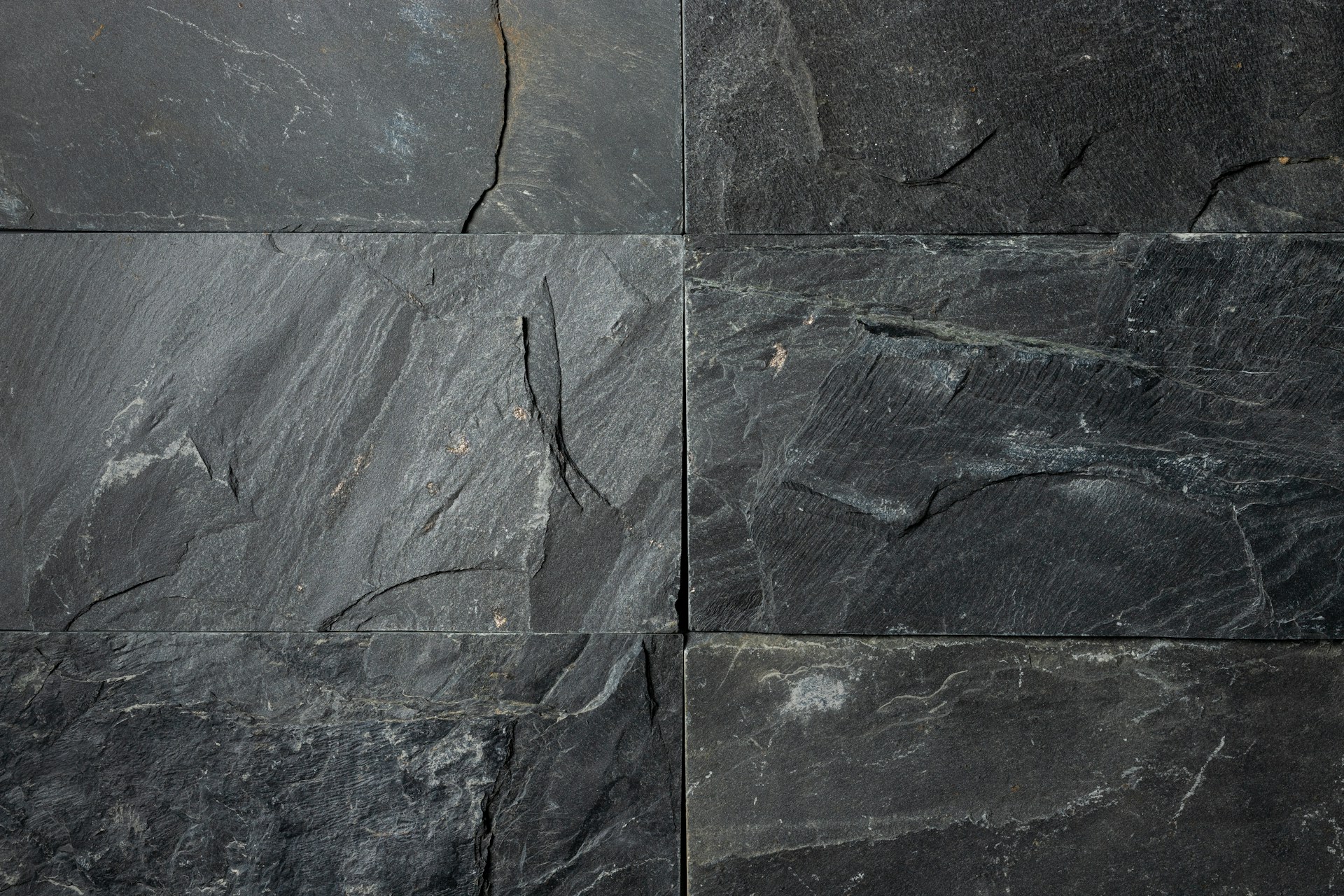
2. Slate
Slate is both strong and good-looking. Its natural texture gives it slip-resistant properties that help prevent slips and falls during wet or icy weather. When installed with care and sealed properly, it keeps its strength through all the seasons.
3. Limestone
Limestone is softer than granite but still works in many colder areas—if you use the right variety. Denser slabs that are well maintained handle the levels of cold just fine. It has a smoother finish and looks great in walkways and quieter parts of the yard. Just make sure drainage is set up right, and sealing the stone helps with moisture control.
4. Sandstone
Sandstone can be a solid choice if it’s installed right and maintained regularly. It offers a wide color range and visually stands out. Since it absorbs more water than granite or slate, it’s important to use commercial-grade sandstone and stay on top of sealing and drainage to help it last.
Here’s a real-world example. A front path made of granite pavers holds up well under constant foot traffic and harsh winters. The homeowners used slight slopes for proper water runoff and a top-quality sealant to keep moisture from getting inside. Choosing the correct material and prepping your space for the weather ahead makes your outdoor areas last without needing lots of touch-ups.
Key Considerations for Selection
Choosing your stone is only one step. Installation and regular care play just as big a role. If you’re putting money into high-quality materials, make sure you also take the time to install them properly so they last.
Here are some things to think about:
– Installation: A professional installer can ensure that the stone is fitted right. This reduces shifting caused by freezing and thawing, which leads to cracks.
– Maintenance: Simple steps like inspections and regular sealing help prevent water damage from setting in. Salt, rain, and snow can wear down stone finishes quickly if not handled.
– Color and Texture: Think about how the stone will look over time. Some stones fade quicker than others. The right surface texture can also improve grip and safety.
– Cost Balance: Some materials may cost more upfront but need fewer repairs later. Choosing based on long-term performance often saves more down the line.
By weighing durability, maintenance, and look, you get more out of your stone and fewer problems later.
Expert Advice for Durability
Knowing which stone performs best isn’t always obvious from photos or price tags. It depends on things like weather in your area, the slope of your yard, and soil type. That’s why getting a professional opinion matters when starting a project.
A proper assessment helps nail down which type of stone will last the longest under your specific conditions. For example, if your space is prone to pooling water or has a heavy freeze each winter, slate or granite might work better than limestone or sandstone. These aren’t decisions you want to guess at. Professionals can also check grading, drainage, and spacing, so the stone fits snugly and stays in place year-round.
Putting your money into better stone today means fewer callbacks tomorrow. Think of it as taking the time now to build something dependable. It gives peace of mind no matter what the season brings. Professional input at the start pays off with surfaces that hold up better, look nicer longer, and cost less to fix.
Invest in Lasting Quality for Cold Climates
The right stone material for cold climates does more than help your yard look nice. It keeps your spaces safe, stable, and ready for all kinds of weather. And when it’s set up right—with careful installation, solid materials, and the right follow-up maintenance—it won’t need to be redone year after year.
You don’t have to guess your way to a good result. Choosing the best stone and getting help from experienced installers turns your ideas into something built to last. Once the right materials are in place, you’ll notice fewer cracks, better drainage, and long-term savings. Whether you’re laying a sidewalk, building a wall, or adding new steps, knowing which stone to use sets the foundation for everything that follows.
Long-lasting projects start with good decisions. Picking the right material, in the right way, with help from someone who knows what to look for, gives you more value and fewer problems. Keep your outdoor spaces working hard and looking sharp—even when winter tries to wear them down.
Let Mr. Pavers guide you through selecting the ideal stone for your cold-climate projects, ensuring your landscaping remains beautiful and robust throughout the harshest winters. Our team provides expert advice, premium materials, and professional installation to help your pathways, patios, or walls stand the test of time. Trust Mr. Pavers to enhance your home’s appeal and functionality, season after season.