Why Concrete Construction Materials Act Differently in Cold
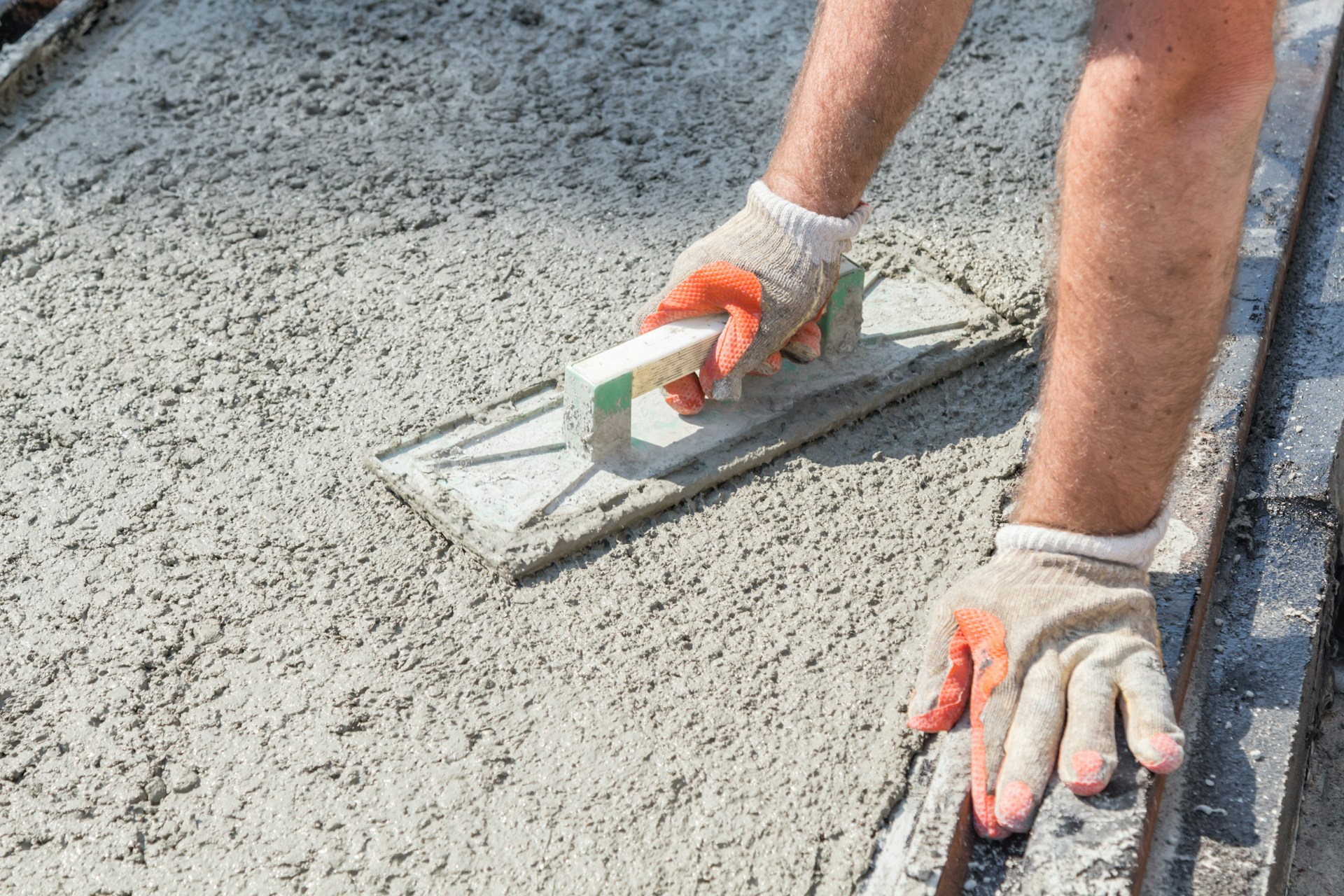
Cold weather changes the way concrete construction materials behave, and understanding those changes can help keep a project on track. As we move into the deeper part of winter, the temperature starts playing a bigger role in outdoor work, especially when it involves concrete. Lower temperatures do not just slow things down, they actually change the setting and curing process in ways that can affect strength, finish, and durability.
Colder weather changes how concrete construction materials set, cure, and perform. Planning for these shifts needs to happen before the work begins. It is not just about temperature alone. Moisture, timing, and material prep all work together during these months, and if even one part of the process falls short, it can lead to bigger problems as the season goes on.
How Cold Temperatures Affect the Setting and Curing Process
Concrete does not dry the same way once the cold hits. That is something we have seen firsthand out on jobs during the winter months. When temperatures drop, the curing process slows down. That might sound harmless, but it can leave the concrete weaker than expected, especially if it does not have the steady warmth it needs in the first few hours.
• Cold air delays curing, which means we have to wait longer before applying weight or moving forward with other work
• If the temperature falls below freezing and the concrete has not set yet, water inside the mix can freeze and expand, creating internal cracks
• Longer cure times may require scheduling changes, plus protectives like insulated blankets to help the concrete set properly
The early stages of curing are the most sensitive. If the slab or wall does not get enough continuous warmth, the bond can be weak from the start.
Moisture and Temperature Shifts Create Surface Problems
It is not just cold air we watch for in winter. Moisture from rain, frost, or even humid mornings can cause real problems when paired with low temperatures. Freeze-thaw cycles, where surface water freezes overnight and thaws during the day, can put stress on the concrete after it starts curing. Over time, these cycles can lead to cracking and even scaling, where the surface begins to flake.
• Frost or dew in the mornings might not seem like much, but they can soften freshly placed concrete
• Cold moisture tends to collect on the surface, leading to lighter or darker patches, and sometimes surface dust that is hard to clean off
• Too much trapped water in the layers can prevent proper drying, leaving uneven finish spots or soft patches in places that should be solid
Keeping surface protection in place during cold, wet conditions helps avoid these problems. We often wait until the dew lifts and conditions stabilize before starting a pour.
Adjustments Contractors Must Make When Working With Concrete in Cold
Concrete work does not stop just because the weather changes, but it does need a different approach. When the air turns cold, we adjust how, when, and with what we pour.
• Heated forms and blankets help keep curing areas warm enough to stay on track
• We use certain mixes made for low-temperature work, often with added accelerators that help speed up the set time
• Early morning work is risky when temps are near freezing, so we tend to plan mid-day pours when the ground and air have warmed up a bit
It is not about rushing the job, it is about finding the right hours to work. Cold can sneak in fast near the end of the day, so leaving enough time to protect new concrete before sunset makes a big difference.
Keeping Tools and Materials Ready for Winter Work
Getting our setup right is half the battle during winter pours. That includes more than just the concrete mix itself. Our tools, water, and storage practices all need extra attention once winter starts.
• Storing concrete construction materials off the ground and away from direct moisture keeps them from clumping or hardening before use
• We often warm our mixing water to help kickstart the reaction once it is added to the dry blend
• Keeping a close eye on the temperature of each batch before it gets poured helps us avoid surprises halfway through the job
Even small changes, like testing temps more often or protecting buckets from overnight chill, help us stay ahead of materials that do not handle cold well.
Why Timing Matters: Concrete Placement and Cold-Weather Planning
Good timing can make or break concrete work in the colder months. We cannot treat December like any other month. Scheduling, preparation, and follow-through are all tighter this time of year.
• Mid-day pouring gives the material the longest stretch of stable temperature before frost can roll in
• With fewer good hours in a day, all materials, tools, and crew need to be ready before we start
• Rushing to fit something in before weather changes rarely works out, missed steps often lead to surface damage or weak curing
We do not take many chances with timing this time of year. A well-placed pour with full prep behind it tends to go smoother, even when cold tries to slow things down.
Long-Term Strength Comes From the Right Cold-Weather Choices
The way we handle cold-weather concrete work has long-term effects. Planning ahead, being smart about timing, and protecting our materials all play a role in how strong and lasting the final build will be. Shortcuts might look like progress now but can lead to repairs later when cracks and surface issues show up.
Working with the cold, not against it, helps us keep quality front and center. With the right choices, we can still get a clean finish and reliable performance, no matter how chilly it gets outside. Taking the extra time to adjust our process helps the concrete cure stronger, last longer, and hold up through future seasons.
Ensure your construction projects are built to last by selecting the best concrete construction materials available. At Mr. Pavers, we focus on delivering materials that withstand even the harshest winter conditions, giving you the reliability you need. Trust us to supply the quality that makes every build strong and enduring. Reach out today to learn how we can assist with your next project.