How to Use Gravel Garden Pathways That Don’t Wash Out

Gravel garden pathways add charm, texture, and flow to any outdoor space. They work well with almost every yard style, but as winter winds down and early rains begin, these paths can run into trouble without proper prep. Water can easily wash gravel out of place, leaving gaps, bare patches, or a muddy mess.
If you’ve had to constantly rake your path back together, something may be missing from its design. Gravel is sturdy, yet it needs a solid setup during wet weather. A good installation from the start can help your pathway stand up through rainy seasons. Since 1993, we in Jurupa Valley, California, have seen these seasonal challenges time and again.
Pick the Right Type of Gravel for Paths
Not all gravel works the same for paths. The type you choose affects how well your path handles foot traffic and rain. Smooth, rounded stones can shift more easily, so angular gravel is preferred. Sharp-edged stones lock together better and create friction that helps maintain the path’s shape.
Key points when choosing gravel include:
• Angular shapes, like crushed rock
• A medium size, around 1/4-inch to 3/8-inch, to compact well
• Avoiding pea gravel or crushed granite alone, as they wash out easily
Choosing the right gravel helps your path stay intact even when water flows over it.
Prep the Base to Handle Water and Movement
A strong gravel path begins with a well-prepared base. If gravel sits directly on soft soil, it will shift as rain soaks in. This makes the path unstable and prone to erosion.
To create a firm foundation, first remove a few inches of topsoil. Then add a layer of compacted rock that does not retain water. This layer spreads the load and gives the gravel a solid base to rest on.
Important steps for a reliable base are:
• Dig deep enough to allow for 4 to 6 inches total of layers
• Use crushed rock or decomposed stone as the compacted base
• Create a slight slope so water naturally flows off to the sides
A proper base reduces movement and minimizes washouts even during heavy rain.
Use Borders to Keep Gravel Where It Belongs
Gravel tends to move toward the edges, especially during wet weather. Borders act as a barrier that holds the gravel in place and stops it from spilling into nearby beds or lawns. Without a border, your path can lose shape quickly after rain.
There are several ways to create effective borders based on your yard’s style and the path’s use. Borders not only contain the gravel but also help protect the base. Here are some reliable options:
• Steel or metal edging for a low-profile, durable line
• Concrete curbs or poured edges for long-term containment
• Pressure-treated wood for a more natural and simple look
Making the path a few inches lower than the border helps minimize runoff and keeps gravel in place.
Stop Runoff with Simple Drainage Solutions
Runoff is a major cause of gravel displacement. When water flows over the path, it can carry stones along with it. To safeguard your pathway, it is important to redirect rainwater.
One solution is to work with the natural slope of your yard. If water already follows a certain path, guide it with basic drainage measures. These ideas help direct water away from the center of your walkway:
• A shallow trench or channel filled with rock next to the path
• A simple French drain wrapped in filter fabric
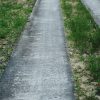
• A layer of filter fabric under the gravel to allow water to pass while keeping stones in place
Implementing these drainage solutions reduces both surface water and slow seepage that may loosen the base.
Seasonal Upkeep Tips for Winter and Early Spring
Even the best-built paths benefit from regular inspection, especially during wet seasons. Winter rains can hide uneven areas, and small dips can form where water has pooled. A quick check after a heavy rain helps spot any spots where gravel has shifted.
Here are a few ways to maintain your pathway:
• Rake gravel back into place after heavy rain to restore its even surface
• Monitor slopes and borders for early signs of erosion
• Keep extra gravel on hand to top up thin areas
Regular upkeep prevents small issues from becoming larger problems and keeps your pathway looking neat over time.
Keep Your Path Strong Through Every Season
Gravel pathways enhance outdoor spaces, but they work best when built to withstand weather changes. Choosing the right gravel, prepping a strong base, and installing proper borders and drainage solutions all help maintain a quality path. A little seasonal upkeep also goes a long way in preserving the path’s shape and function.
With careful planning and smart choices from the start, your gravel path can resist washouts, shifting stones, and erosion. Even everyday foot traffic and rain are no match for a well-constructed pathway. Keeping these steps in mind will help you enjoy a tidy, durable path through wet winter days and into a bright, dry spring.
At Mr. Pavers, we know how important it is to choose the right materials to ensure your outdoor features stand up to both wet and dry seasons. That’s why we guide our customers in building better paths from the ground up, offering options designed to last through rain and resist shifting over time. Whether you’re starting a new project or upgrading existing paths, our team is here to help you make the best choices for long-lasting results. Explore how we support strong, reliable gravel garden pathways with top-notch materials and practical advice. Give us a call to discuss your project and get started.