How to Use a Landscape Block Without Ruining Runoff
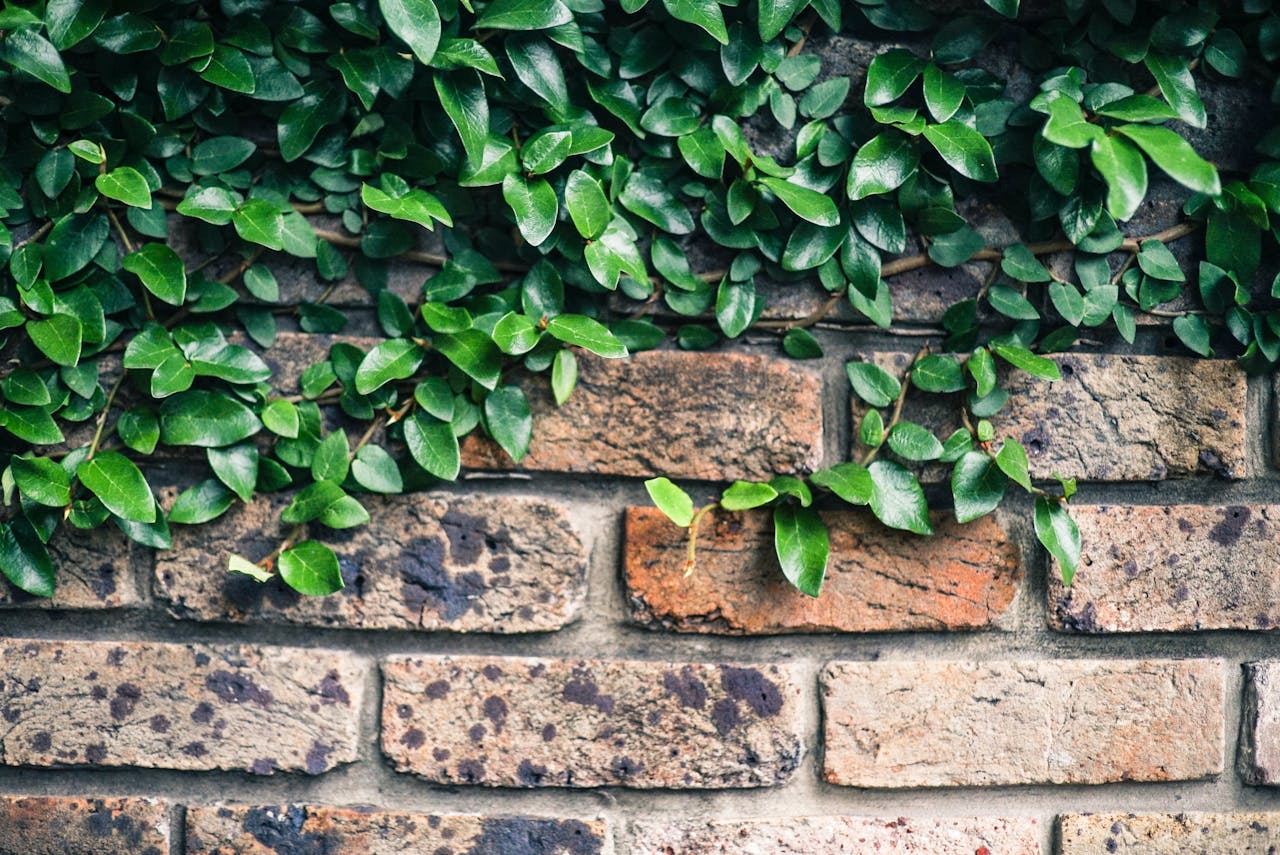
Using a landscape block can give your yard or garden more shape, structure, and stability, especially after a rainy season when soil can shift or become uneven. Whether you’re building garden beds, defining pathways, or framing a fresh project, blocks help you keep things tidy. But without good planning, they can wind up doing more harm than good. When blocks block water, literally, it can leave garden beds soggy or wash out the soil around them.
If water can’t move the way it needs to, you’ll notice the results sooner than you might expect. That’s why the way we prep the ground and arrange each block matters more than most people think. Seasonal shifts, like the move from winter to spring, are a good time to check for these issues and to prep right before the planting starts. As a family-owned supplier in Jurupa Valley, California, Mr. Pavers has been helping homeowners and contractors with pavers, gravel, cement, mulch, and related materials since 1993, so we see how good drainage planning supports long-lasting hardscape work.
How Drainage Works Around Hardscapes
When it rains, water takes the easiest path downhill. In a natural space with just soil and plants, that usually means soaking in slowly or running off through dips and grooves. As soon as we add hard materials like pavers, stepping stones, or a solid row of blocks, the flow can shift.
If these materials don’t leave room for that water to pass through, it can collect along one side, back up around plants, or carve new paths that strip away soil. It’s not always obvious right away, but once puddles patch up or roots start rotting, it’s hard to ignore.
Here’s what matters most when adding hardscapes like a landscape block:
• Check how rainwater currently moves through your space
• Avoid building across natural runoff paths or low drainage zones
• Make sure blocks aren’t forming a wall where water has no place to go
When we plan and build with those flow patterns in mind, we can use blocks to support the space without cutting off how water needs to move.
Picking the Right Spot for Your Blocks
Before anything gets stacked, it helps to scout out the yard during or right after a heavier rain. That short window can show exactly how runoff moves, where it gets caught, and what parts collect too much.
A slightly sloped area works best. It lets water run through and away instead of sinking in all at once. If your yard has dips, tight pockets, or dense soil, that can slow or trap water in ways that will affect the block line later on.
Here are a few simple checks we use before placing blocks:
• Look for firm ground that doesn’t hold large puddles after a storm
• Avoid flat bottoms where water tends to sit still
• Take note of any muddy trails or water-stained lines that show flow direction
Prepping in late winter is a good time to spot leftover signs from rainier months before things dry out for spring.
Making the Base Drain Well
The ground under your blocks shapes how well water moves through. If it’s packed tight with clay or pressed soil, it won’t give water anywhere to go. That’s when runoff starts bubbling around the edges or breaking down the block line from underneath.
We use loose materials like gravel or crushed rock before setting blocks. This creates little gaps that water can move through instead of pooling on top. Sand can also help, especially when layered low before compacting. Stack blocks directly on heavy soil and you risk trapping water at the first row. At our Jurupa Valley yard, we stock gravel and other base materials alongside pavers and blocks, so it is easier to build a foundation that supports both stability and drainage.
Base prep that works well includes:
• Spreading gravel or crushed rock across the footprint of your border
• Raking it into a slight slope, gently tilting down from one end to the other
• Compacting softly so it stays in place but still lets water pass
Even a small tilt can encourage water to shift forward instead of backing up into your plant beds.
Tips for Placing Blocks Without Blocking Water
Once it’s time to lay the blocks, it can be tempting to make them fit tight and secure. But when every joint is sealed and every block is pressed edge to edge, you lose little pathways that help water escape.
Instead of closing every gap, we leave a few narrow spaces between certain blocks to let water seep through. If the blocks need to be held tighter for structure, we help water pass in other ways.
Smart options when placing multiple layers or long stretches of blocks include:
• Leaving slight gaps every few feet to relieve pressure
• Adding weep holes behind the first layer where water might collect
• Laying drainage pipe behind large areas to guide runoff past the block line
These details take just a little extra planning, but they can help protect the soil and roots behind them through the wet months.
How to Check for Future Problems
Even with the right setup, things shift over time. Ground settles, root systems grow, storms wash out certain spots. That’s why we always recommend checking your borders and hardscape lines after a bigger storm or at the end of a wet season.
Here’s what we look for when we inspect the edges of a project:
• Standing water near the blocks or pooled between border lines
• Soil that feels soft, spongy, or sinks under light pressure
• Any slimy film or buildup along the bottom of the structure
If any of these show up, it might be time to improve the drain layer, fill in a dip, or loosen up a few block joints that have locked together too tightly. These are small fixes that help keep your garden moving in the right direction without having to pull everything apart.
Set Up for Spring With a Smarter Border
Using a landscape block where and how it helps the space, not just where it fits, can make a big difference when spring rolls in. With a good slope and a clear drain path, water has a way out and plants have room to grow.
The goal is to build something clean and strong without sealing off the natural flow. Once the materials are set and shaped right, you’ll get better results without extra maintenance or soggy surprises. Getting it right now means spring setups go faster, dryer, and with fewer headaches.
At Mr. Pavers, we know how much a clean, lasting border can transform the flow and feel of any outdoor space. Planning to use a landscape block this season means getting drainage and placement right from the start, which can save you time and trouble in the future. Spring setups work best when water moves freely and soil stays stable after storms. We’re here to help make sure your project stands up to every season, so give us a call to discuss your needs.