Steps to Use Concrete Construction Materials Without Soaking Soil
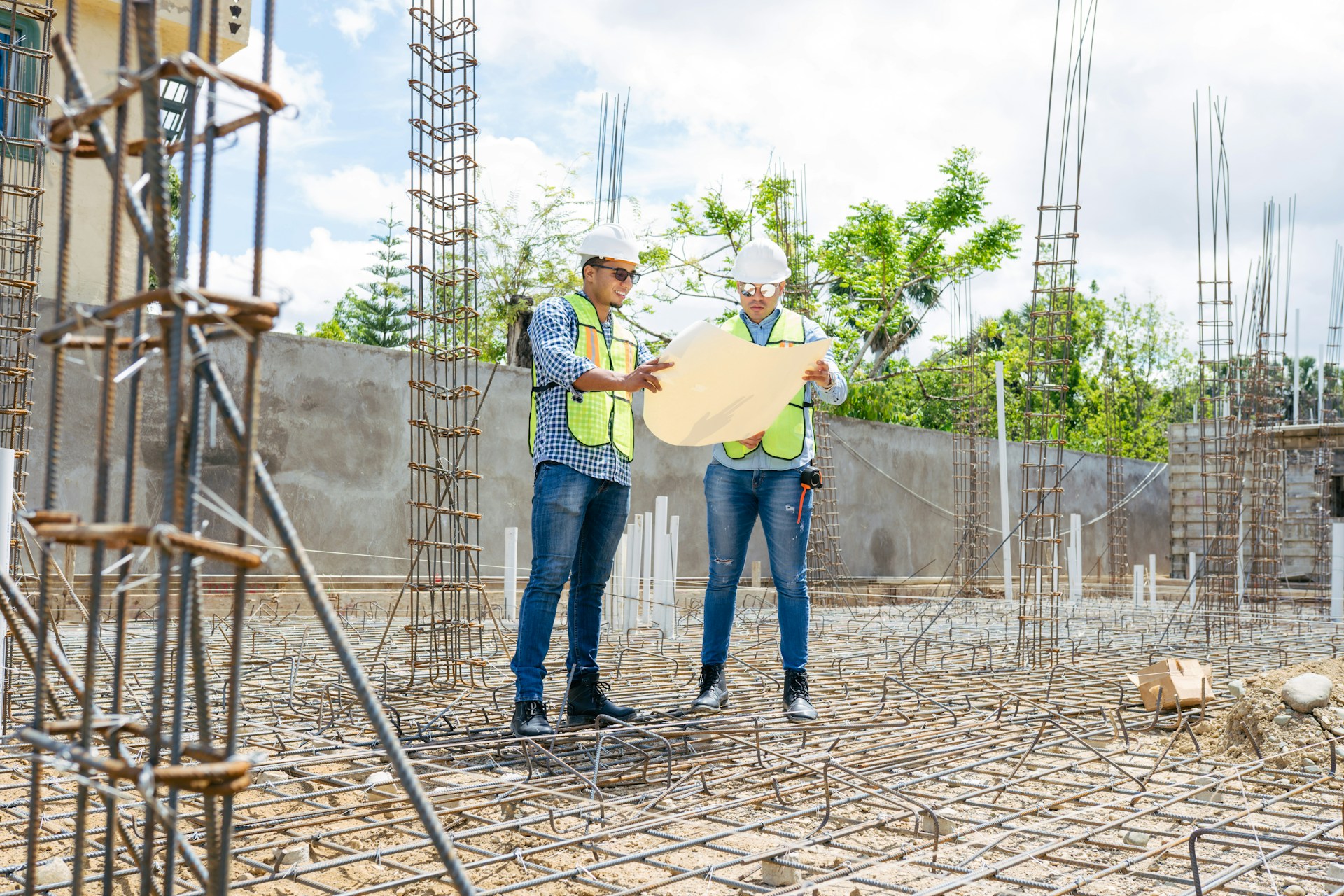
Early spring brings new energy for outdoor projects. As the rainy season starts to trail off, it’s finally possible to step outside and start building again. But after weeks of wet weather, damp soil can cause delays. If concrete construction materials are set too soon, they will not stay level for long. Water under the surface may not be obvious, but it can quickly affect how well things hold in place.
When we are working with concrete for outdoor use, especially in garden areas or along walkways, we always check how ready the ground is. Planning around drainage and moisture now helps everything stay where it belongs later. At our Jurupa Valley, California, yard, we stock concrete blocks, pavers, gravel, sand, and cement that are commonly used for patios, walkways, and borders. Here are a few ways we protect concrete builds from water problems before they start.
Check Moisture Levels Before Pouring or Placing Material
Before any heavy work, we look at how wet the ground still is. A good sign that soil is not ready for concrete is if it feels soft underfoot or still has standing water. In those cases, it is best to give things a bit more time to dry.
To help decide when it is safe to start setting materials, we usually do the following:
- Check for loose or squishy spots where gravel or dirt might have washed out
- Look across the setup area for uneven puddles or patches that feel unstable
- Wait a few clear-weather days before placing anything heavy in low-lying spots
If time is short, we sometimes add a layer of gravel or base rock to even out soft patches. This can give the ground extra support and help water drain faster in key spots like patio corners or entry paths.
Create a Solid Base Layer for Stability
No matter how you plan to use your concrete materials, the foundation matters the most. Just placing concrete on bare dirt is a shortcut we do not take. Soil moves as the seasons change, and that movement can lead to cracking or tipping.
Instead, we work in layers. First comes crushed rock or compacted road base, shaped and leveled for support. Before laying slabs, edging, or anything else, we:
- Create a flat, compacted layer of rock or sand between the soil and concrete
- Rake the base smooth, working around roots or dips without creating gaps
- Slope the base slightly away from structures like sheds or homes to direct draining water
This step takes patience, but it stops major rework later when settling cuts into the surface. A strong base keeps the concrete from shifting, even when the soil below changes. At Mr. Pavers, these base materials are available in both bulk and smaller quantities, so you can match the amount you buy to the size of your project.
Use Concrete Materials Designed for Outdoor Ground Contact
Spring weather does not always follow our schedule. That is why picking the right type of concrete makes a difference when we are working outdoors while the ground is still drying out. If what we use cannot handle a bit of ground movement or water exposure, it will not last.
We stick to materials that were made to sit directly on soil or gravel. That includes thick pre-cast blocks, poured pads, and other outdoor-rated supplies. There are a few things we always look for when choosing concrete construction materials:
- Durable pieces built for full contact with varied terrain
- Avoiding anything too thin or fragile for areas that may still see runoff
- Using options that hold shape and strength, even on weeks with cooler nights or damp mornings
Quick-setting and fiber-reinforced mixes can help when we need to work between storms, but they are not a perfect match for every project. We pick based on what the ground allows and how much support is already in place.
Add Drainage Around the Edges to Prevent Water Traps
Even a well-built base will not hold out forever if the water does not have a place to go. One of the most common ways concrete areas fail is from edge water getting stuck underneath. If runoff flows toward your build or settles beneath it, everything can weaken before summer even begins.
To help control that, we focus on small changes that guide water away and give it room to leave:
- Dig shallow side trenches that pull water clear of low edges
- Add gravel or rock channels to direct flow nearby without pooling
- Move downspouts and hose drains away from the path of concrete areas
If we are building on any kind of slope or hill, we install piping or French drains to guide water off gently, keeping it from running under slabs or walkways.
When Waiting Works Better Than Working
Sometimes the best option is not to build at all. After a particularly wet start to the year, we have had to pause projects even when it seems like the stormy days are over. Wet soil can mislead you. The top might look dry, but deeper down it’s still too soft to hold weight.
In cases like this, we focus our time on readying the space. There are still things we can do while waiting for better building conditions:
- Outline the shape and borders of the install area
- Clear weeds or leftover mulch so it is ready when it is time to pour or place
- Double-check all measurements and walk-off spacing to reduce delays later
Rushing leads to rework. When the ground is still working through spring moisture, waiting keeps our materials from failing before the weather clears for good.
Build with a Strong Start for Longer Results
Getting started on concrete work in early spring feels productive, especially when the weather starts to warm. But the key to long-lasting results is not just doing the work, it is doing it at the right time with the right prep.
Planning your source base, choosing better drains, and holding off on work during soggy days adds to the life of each piece we install. It helps avoid cracks, shifts, and low spots that lead to early repairs. Concrete construction materials always perform best when they are used above a stable, dry, and well-thought-out foundation.
The time we put in now prevents stress later. By keeping track of water movement under and around our work, we make sure concrete installs stay strong into the warmer seasons ahead.
At Mr. Pavers, we understand the importance of starting your outdoor project right, especially when dealing with soft or damp soil after a wet season. Whether you are planning a new patio, pathway, or garden border, selecting the right materials can make all the difference. For personalized advice or to explore options for using concrete construction materials in challenging conditions, contact us today and we will help you move forward with confidence.