Creating Pebble Garden Paths for Cool Barefoot Walkways
Cool Barefoot Paths for Hot LA Summers
Stepping outside should feel relaxing, not like walking across a hot parking lot. In Los Angeles, solid concrete and dark pavers can heat up fast under the sun, which makes quick trips to the side yard or garden pretty uncomfortable for bare feet. Pebble garden ideas offer a simple way to change those harsh spots into cool, welcoming walkways you actually want to walk on.
Pebble paths stay cooler, add texture, and bring a calm, spa-like feel to small and narrow spaces. Side yards, in between strips, and the areas between patios and planting beds suddenly feel finished and inviting. With the right layout and materials, those forgotten corners can turn into your favorite barefoot routes through the yard.
Why Pebble Paths Feel So Good Underfoot
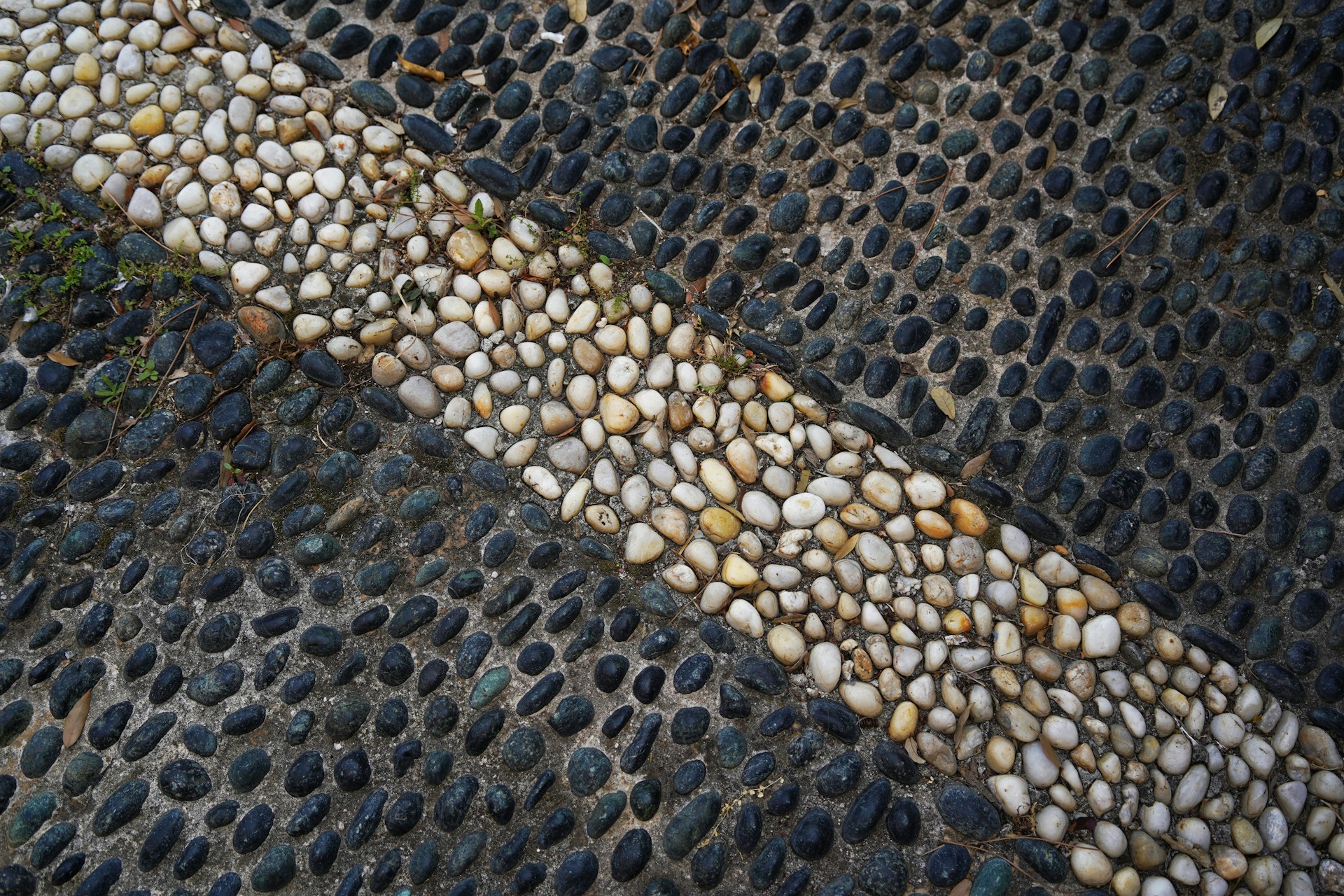
Pebble paths are not just pretty to look at; they feel different from solid pavement. Loose, smooth stones allow small gaps between pieces, so air can move and heat does not build up the same way it does in one solid slab. At night, the surface cools down faster, which helps it stay more comfortable during long sunny days.
Walking barefoot on smaller rounded stones can feel like a light foot massage. Many people like that gentle pressure after a long day standing or sitting. If you prefer a softer feel, smaller pea-sized stones are usually the most comfortable, while slightly larger pebbles give a more noticeable texture underfoot.
Pebble paths also bring some practical advantages to outdoor living in Los Angeles:
- They drain quickly, so puddles are less likely to sit on the surface
- They avoid the cracking that can happen with large concrete slabs
- They are easier to refresh by adding more stone when needed
- They work around tree roots without big breaks or trip hazards
That mix of comfort, cooling, and simple upkeep makes pebble garden ideas a smart fit for long-term, low-stress outdoor spaces.
Planning Your Pebble Garden Path Layout
Before picking stones, it helps to think about how your path will actually be used. Ask a few simple questions: Where do people already walk? Which areas get the most foot traffic? Do you want a quick shortcut from patio to side gate, or a slower, winding route that encourages strolling?
A few planning tips:
- Trace the natural walking lines people already take
- Decide if the path is for bare feet only or also for rolling trash bins
- Note sunny spots that get hot and shady pockets that stay cooler
Width matters too. A narrow path can feel modern and simple, but it might be tight for two people to walk side by side. A wider barefoot path feels more relaxed and allows for plants that spill over the edges without getting in the way. Gentle curves help soften straight property lines and can make hot, open yards feel a little more calm.
Pebbles are flexible, so they can be used in more than one way:
- As a full barefoot path from one area to another
- Between larger stepping stones to keep things cool and stable
- As edging between turf, mulch, and planting beds
- As a ribbon of stone that connects different outdoor zones
Adding low lighting, a small bench, or a simple focal point like a pot or boulder along the route helps the path feel planned, not random.
Choosing the Right Pebbles and Base Materials
Not all stones feel the same on bare feet. For comfortable pebble paths, smooth and rounded stones are usually best. Pea gravel is small and easier to walk on, while Mexican beach pebbles and similar rounded stones offer a more polished look.
Keep these points in mind:
- Pick smaller, rounded stones for gentle barefoot walking
- Avoid sharp, jagged gravel in main barefoot areas
- Choose light or medium colors that do not absorb as much heat
- Mix sizes carefully so the surface stays even and stable
Style matters too. Pebble colors can tie your yard together:
- Light gray or soft tan stones pair well with many stucco colors
- Darker stones can frame modern hardscape and warm wood accents
- Neutral blends look good next to drought tolerant plants and mulch
Under the pebbles, you need the right base materials. A typical pebble path usually includes:
- Base rock for strength and drainage
- Sand for a smooth top layer
- Edging to hold stones in place
- Weed barrier to help keep growth down
Suppliers like Mr. Pavers provide job-ready stone, gravel, turf, mulch, and base materials in the Los Angeles area, so all parts of the path can work together.
Step-by-Step Guide to Building a Barefoot Pebble Path
Even if a contractor is doing the work, it helps to know the basic steps. Good prep makes the path feel solid, not squishy.
1. Mark the path
Use a garden hose, chalk, or stakes and string to outline the shape. Check that curves feel natural and that the width matches how you plan to use the walkway.
2. Dig and prep the base
Remove grass, roots, and loose soil. Dig down enough to allow for base rock, sand, and the final pebble layer so the surface will sit at the right height next to patios, turf, or planting beds.
3. Add and compact base rock
Spread base rock in layers, compacting each one so the surface is firm and even. This helps the path handle foot traffic without shifting or sinking.
4. Install edging
Metal, stone, or paver edging helps hold the pebbles where you want them. Set edging snugly along both sides of the path and make sure it is level.
5. Add sand and pebbles
Spread a layer of sand, then pour the pebbles on top. Rake the stones to a consistent depth so your feet do not hit high and low spots.
6. Test and fine-tune
Hose the path to settle the stones, then walk it barefoot. If it feels too deep or a little sharp in places, adjust the depth or blend in a slightly different size stone until the surface feels right.
Finishing touches like simple path lights and fresh mulch along the edges can help the new walkway feel complete.
Easy Maintenance Tips for Long-Lasting Pebble Paths
Pebble paths are low stress to care for if you keep up with a few easy habits. A light rinse every so often helps wash away dust and pollen, which keeps the stones looking fresh. Sweeping or using a leaf blower on a low setting removes leaves and small branches before they break down into the gaps.
For the best results:
- Start with a good weed barrier under the base
- Pull or spot treat any weeds that slip through
- Rake the stones once in a while to smooth out low spots
- Add a thin new layer of pebbles when areas start to look thin
Because pebble paths are flexible, they are also simple to update as your yard changes. You can add stepping stones for a firmer route, change accent colors in a side strip, or extend the path to reach a new seating area. Suppliers that keep matching and complementary materials stocked year-round make it easy to grow your pebble garden ideas over time.
Turn Your Pebble Path Vision Into a Summer Reality
Late spring is a great time to plan and build a pebble path so it is ready for long, barefoot evenings, weekend hangouts, and casual gatherings. With a clear layout, the right stone choices, and a solid base, a simple idea on paper can turn into a cool, comfortable walkway that you actually enjoy using.
At Mr. Pavers, we are proud to support homeowners and contractors across the Los Angeles area with job-ready pebbles, gravel, base materials, turf, and mulch. When you are ready to bring your pebble garden ideas to life, measurements, photos, or a quick sketch are all you need to start shaping a path that fits your yard and your everyday routine.
Get Started With Your Project Today
If you are ready to transform your yard with inspiring pebble garden ideas, our team at Mr. Pavers is here to help you plan every detail. We will work with your space, budget, and style to design a garden that looks great and is easy to maintain. Share your vision, and we will turn it into a practical plan with durable materials and professional installation. Have questions or want to discuss your project timeline, reach out and contact us today.