Preventing Heat Damage in Los Angeles Artificial Turf Installs
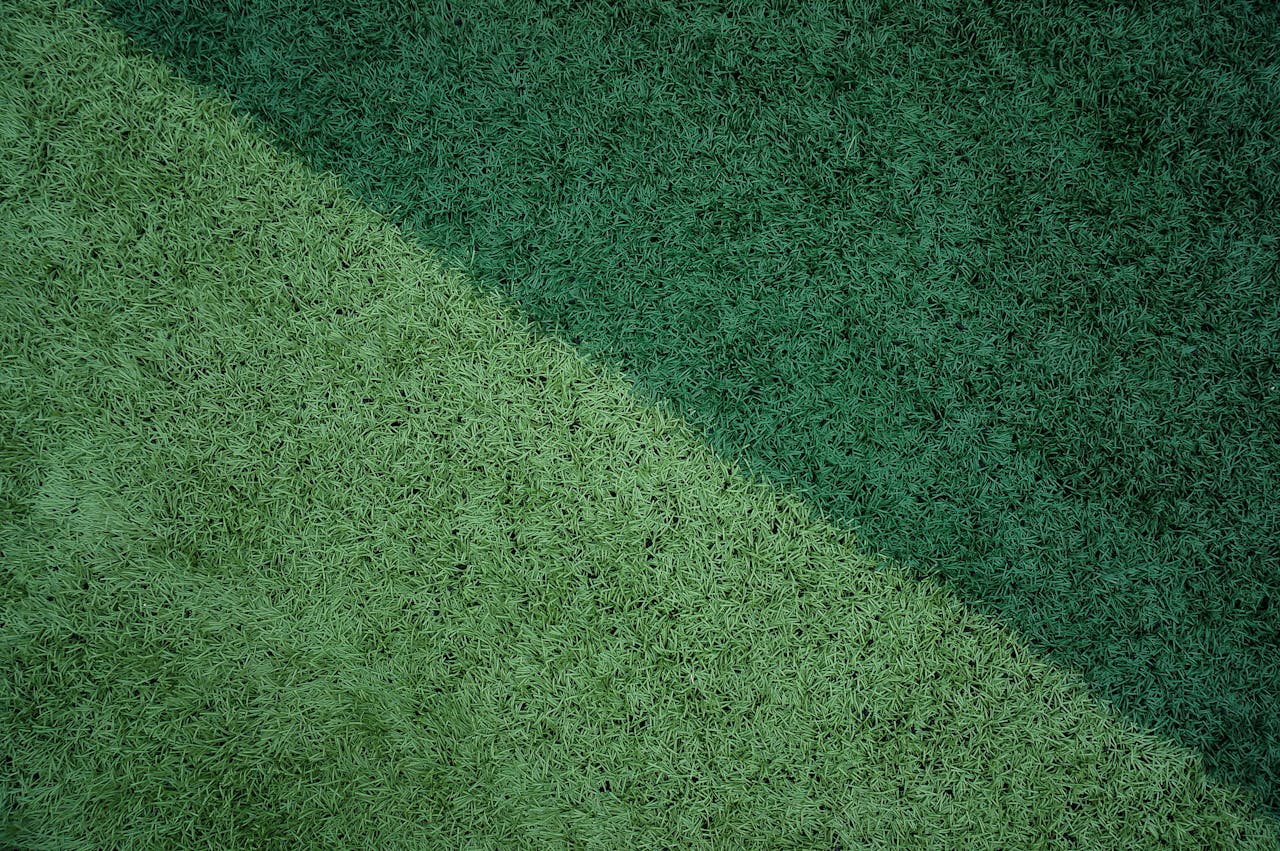
Artificial turf can look great in a Los Angeles yard, but our heat and strong sun can be tough on it. If the turf gets too hot, it can warp, shine, or even melt in spots, which ruins the look and shortens its life. With a little planning and the right materials, you can keep your turf cooler and looking good much longer.
We work with homeowners and contractors who want turf that stands up to local conditions, not just for one season but for many. In this guide, we will walk through what heat damage looks like, what causes it, and the smart choices you can make before and during an install to protect your investment.
Why Artificial Turf in Los Angeles Needs Extra Heat Care
Artificial turf in Los Angeles deals with some serious heat challenges. The sun is strong for long parts of the day, and many yards have light stucco walls, big windows, and plenty of hardscape. All that can bounce extra heat and light right onto your turf.
Heat damage can show up as:
- Blades that look melted or shriveled
- Shiny or extra glossy spots that stand out from the rest
- Lines or patterns where the infill and backing look warped
- Seams that start to pull apart or curl at the edges
The good news is that you can avoid most of this. By planning around the sun and reflections, picking cooler turf products, and using a few smart installation tweaks, you can lower the risk of damage and keep your turf looking fresh.
How Heat Really Affects Turf in Los Angeles Yards
Turf can get much hotter than the air around it. On sunny days from late spring through early fall, the surface can heat up quickly, especially in the middle of the day. Darker turf colors, very dense fibers, and no shade can all add to that heat.
Common heat sources include:
- Direct sun during midday and afternoon
- Reflected sunlight from Low-E windows, sliding glass doors, mirrors, or shiny decor
- Light-colored stucco or walls that bounce light and heat
- Nearby pavers, concrete, and stone that soak up and give off warmth
There is a difference between turf that is just hot to the touch and turf that is actually damaged. Warm turf might feel uncomfortable on bare feet, but it will cool down and bounce back. True heat damage shows as melting, permanent shine, warped backing, or color changes. If you notice areas that always feel much hotter or look slightly glossier, that can be an early warning sign to address before it gets worse.
Choosing Cooler Turf Materials From the Start
Not all artificial turf in Los Angeles handles heat the same way. The fiber type, color blend, and backing all affect how hot the surface gets and how well it recovers.
When you look at turf options, pay attention to:
- Lighter green tones or mixed color blades that reflect a bit more light
- Heat-reflective or “cool” yarn technologies from trusted turf brands
- Blade shapes like S, W, or mini C that spread heat more evenly and stand up better
- A realistic-looking thatch layer that breaks up the surface and improves airflow
Subtle color blends often stay cooler than very dark, solid greens. Turf with a mix of blade shapes and a sturdy backing can resist warping better under high heat. It also helps to ask a local supplier which products are made to hold up in hotter regions, include UV protection, and are known to handle reflective heat more reliably.
Design Moves That Help Prevent Melted Turf
Good design is one of the strongest tools you have against heat damage. Instead of only focusing on where turf will look nice, think about where the strongest sun and reflections land in your yard.
Plan shade and cooling elements, such as:
- Pergolas, shade sails, or simple shade structures over play or seating areas
- Taller plants, hedges, or shrubs along hot walls behind the turf
- Trees positioned to give late-day shade in the hottest sections
Reflected light from glass is one of the most common causes of burnt patches. To cut that down, you can:
- Add window film or exterior screens on windows that face the turf
- Use awnings or shade structures above sliding doors
- Choose non-glossy finishes for walls or fences that face the turf area
Layout choices matter too. Keeping turf a safe distance from south- and west-facing windows, using paver or gravel borders between turf and hot hardscape, and breaking up very large turf areas with stepping stone paths can all reduce heat buildup and protect problem spots.
Installation Techniques That Protect Turf From Heat
Even the best turf can struggle if the base and infill are not chosen with heat in mind. A smart install sets your turf up to handle tough sun from day one.
For the base, it helps to:
- Use a proper depth of compacted crushed rock for drainage and airflow
- Avoid very dark base materials that can send extra heat up into the turf
- Keep the base level and firm so the backing stays supported as it expands and contracts
Infill is another big factor. Cooler infill blends and coated infills are made to help lower surface temperature and spread heat through the turf more evenly. The right depth helps keep blades standing upright, protects the backing, and reduces hot, compacted spots.
For seams and edges on high-heat sites, installers may:
- Use adhesives and tapes rated for hotter temperatures
- Secure edges well so they do not curl when the turf warms and cools
- Leave small expansion gaps where needed so the turf can move a bit without buckling
Simple Maintenance Habits to Beat Summer Hot Spots
Once your turf is in place, a few easy habits during late spring and summer can make a big difference.
Helpful routines include:
- Giving the turf a gentle hose rinse on very hot, sunny days, especially in known hot zones
- Checking turf near windows and glass doors after the first strong heat wave of the season
- Keeping furniture, grills, and shiny decor out of direct line with reflective glass
Regular grooming is also important. Brushing the turf with a stiff broom or power broom keeps blades standing up, which improves airflow and helps the surface cool a bit faster. It also prevents matted, darker-looking patches that tend to hold more heat, especially in high-traffic areas.
If you see signs of heat stress, such as small shiny spots or edges starting to ripple, do not ignore them. Test for reflections by watching where the sunlight lands during the day, adjust nearby items, and talk with a turf professional before the issue turns into permanent damage.
Planning a Heat-Smart Turf Project with Local Knowledge
When you plan artificial turf in Los Angeles, treating heat as a design factor from the start will save you trouble later. Choosing turf made for warmer climates, designing with shade and reflection in mind, and using heat-aware installation methods can all help your yard stay green and inviting, even on the brightest afternoons.
At Mr. Pavers, we work with DIY homeowners and contractors who want turf, infill, and hardscape materials that are ready for local conditions. Bringing photos of your yard, nearby walls, and windows, and talking through how the sun moves across your space, can help you build a material list that supports a cooler, longer-lasting turf install that fits the way you actually use your outdoor area.
Get Started With Your Project Today
Transform your outdoor space into a low-maintenance, green oasis with our expert artificial turf in Los Angeles installations. At Mr. Pavers, we design solutions that fit your property, lifestyle, and budget while keeping your yard beautiful all year long. If you are ready to discuss ideas or get a personalized quote, simply contact us and we will help you plan the next steps.