Why Your Concrete Blocks Are Disintegrating And How To Fix It
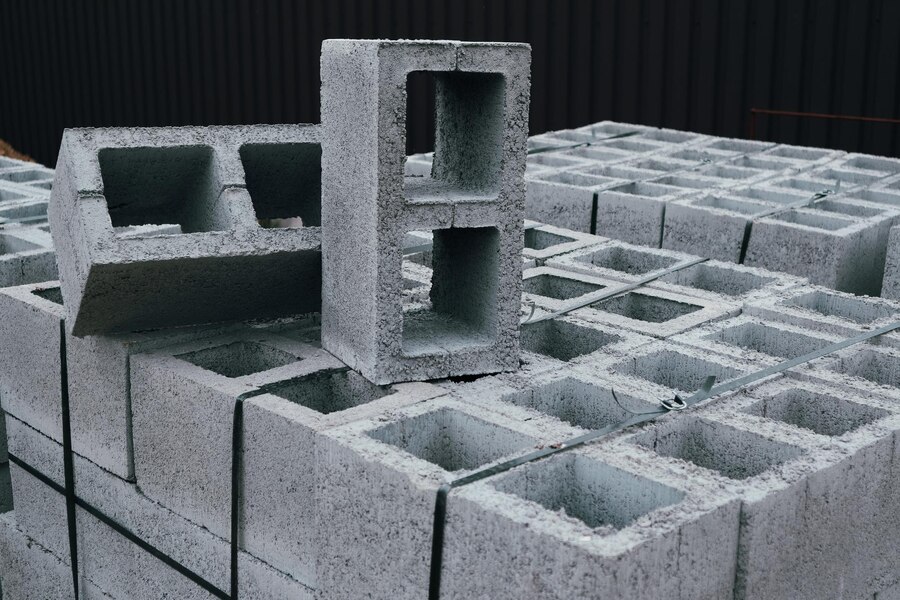
Concrete blocks are known for their solid build and long-term strength, which is why they’re used in so many landscaping and outdoor construction projects. You’ll find them in retaining walls, garden paths, fire pit surrounds, raised beds, and fence posts. They create structure, hold weight, and can handle years of use if they’re installed and maintained properly.
But what if you’re starting to notice your blocks wearing away, flaking at the corners, or falling apart completely? You’re not alone. Many homeowners and property managers run into the same problem and aren’t always sure what’s causing it. The good news is that, in most cases, the problem has an explanation and better yet, a solution.
Recognizing The Symptoms Of Disintegration
First things first, what does a disintegrating concrete block actually look like? Signals can show up slowly or all at once, depending on your climate, use, and how the blocks were made or installed. In the early stages, you might notice small chips around the edges or thin cracks forming on the surface. From there, problems can start piling up. As the blocks break down, they lose their shape, crumble under pressure, and start creating gaps in structures that need to stay solid.
Some of the most common warning signs include:
– Cracking along the face or edges of the block
– Spalling, where layers of the surface begin to flake or peel away
– Discoloration or white powder showing on the surface (a sign of salt or mineral buildup)
– Crumbling corners or edges breaking off with touch or pressure
– Blocks sinking or shifting when walked on or leaned against
Paying attention to these changes early can make a big difference. Just like a pothole in a road, a small concrete issue can snowball if ignored. Catching surface damage before it spreads can help you plan repairs that keep the project area safe and prevent larger costs down the line.
Common Causes Of Concrete Block Disintegration
Once a block starts falling apart, the next step is figuring out why. There’s usually more than one factor, and sometimes several work together. Knowing what’s behind the damage helps guide your fix and also helps you avoid the same issue later.
Weather is a big one. Water is the most common threat when it comes to concrete. When it seeps into small cracks and then freezes, it expands and makes those cracks worse. Do this over a few seasons, and you’ve got a broken block. Hot, dry months can cause blocks to dry out too much, especially if they weren’t sealed, which can lead to cracking on the surface.
Then there’s the quality of the concrete mix. Low-grade materials or poorly made blocks wear down faster. If the mix wasn’t balanced, or if the block was improperly cured, it becomes weaker and more likely to fall apart under pressure.
Improper installation can also cause big problems. If the base wasn’t compacted right, or if the blocks weren’t placed with room for settling and drainage, shifts in the ground can place stress on the material. That stress ends up showing in the form of cracks and broken pieces.
A good example of all these issues in action would be a backyard retaining wall that was built without a drainage system behind it. Water built up behind the wall every time it rained, and during the colder months, that extra weight and frozen water caused blocks to split and shift. By the second year, not only were several blocks crumbling, but sections of the wall had also started leaning outward.
Understanding where things went wrong doesn’t fix the damage, but it does help stop things from getting worse. And more importantly, it helps you take better care of any new blocks moving forward.
Assessing And Preventing Further Damage
Once you’ve spotted signs of disintegration, it’s time to begin an inspection. This can help prevent further damage and keep your landscape looking its best. Here’s a simple guide on how to inspect your concrete blocks.
1. Visual Inspection: Walk around the area and take a close look at each block, paying attention to any visible cracks, chipping, or discoloration.
2. Touch Test: Gently press on corners and vulnerable edges to feel for any unexpected movement or crumbling.
3. Check Evenness: Use a level tool to ensure the blocks are still aligned properly. Any leaning or unevenness can indicate a bigger structural issue.
4. Surface Cleaning: Remove any dirt and moss that might be hiding problems underneath.
After identifying issues, consider some maintenance tips that can extend the life of your blocks. Regular sealing can act as a barrier against water and environmental damage. It’s also smart to keep your blocks clean and free from debris, which can trap moisture and speed up erosion.
Applying a fresh layer of sealant every few years can go a long way in maintaining strength and appearance. Avoid using harsh chemicals when treating surface stains, since these can weaken the surface mix over time.
Repair And Replacement Solutions
When it comes to fixing concrete blocks, knowing whether to repair or replace is key. Small surface cracks can sometimes be filled with a concrete patch, while larger issues might require a more thorough solution. Be cautious of patching blocks that serve as significant load-bearing structures. If there’s severe movement or large chunks missing, replacement may be the safer route.
For professional solutions, consulting an expert ensures that repairs are done with an understanding of the material and best techniques. Concrete specialists can offer insights you might not consider, like drainage needs and ground prep that help improve the long-term performance of the entire installation.
Long-term prevention takes some planning but pays off over time. Always choose high-quality materials, and make sure installation methods are sound. This includes compacting the base soil, allowing for controlled drainage, and placing blocks with proper spacing. Skipping these steps might seem faster at first but usually leads to faster wear and more repairs down the road.
Another helpful tip is to apply protective coatings to exposed surfaces that get a lot of sun or rain. If your landscape is in an area with extreme seasonal changes, using expandable joint fillers can reduce the stress that temperature shifts place on your concrete.
Keeping Your Outdoor Space Durable And Beautiful
Taking action when you notice worn-out concrete blocks can save both time and money in the long run. Understanding the root causes of disintegration gives you the tools to avoid repeat issues, and regular check-ups mean you can enjoy a safe and good-looking outdoor space.
By working to maintain and improve your concrete installations, you create an environment that’s not only functional but also helps enhance your landscape’s visual appeal.
Whether you’re planning minor maintenance or considering a larger renovation, putting in the effort now will lead to years of hassle-free use. So, take a step back, assess the situation, and plan for durable and beautiful landscapes that will stand the test of time.
If you’re looking to upgrade your outdoor setup with long-lasting materials, consider how concrete blocks can add strength and style to your space. At Mr. Pavers, we’re here to help you choose the right options and make sure your project stands the test of time.