How To Choose The Best Construction Tools For DIY Projects
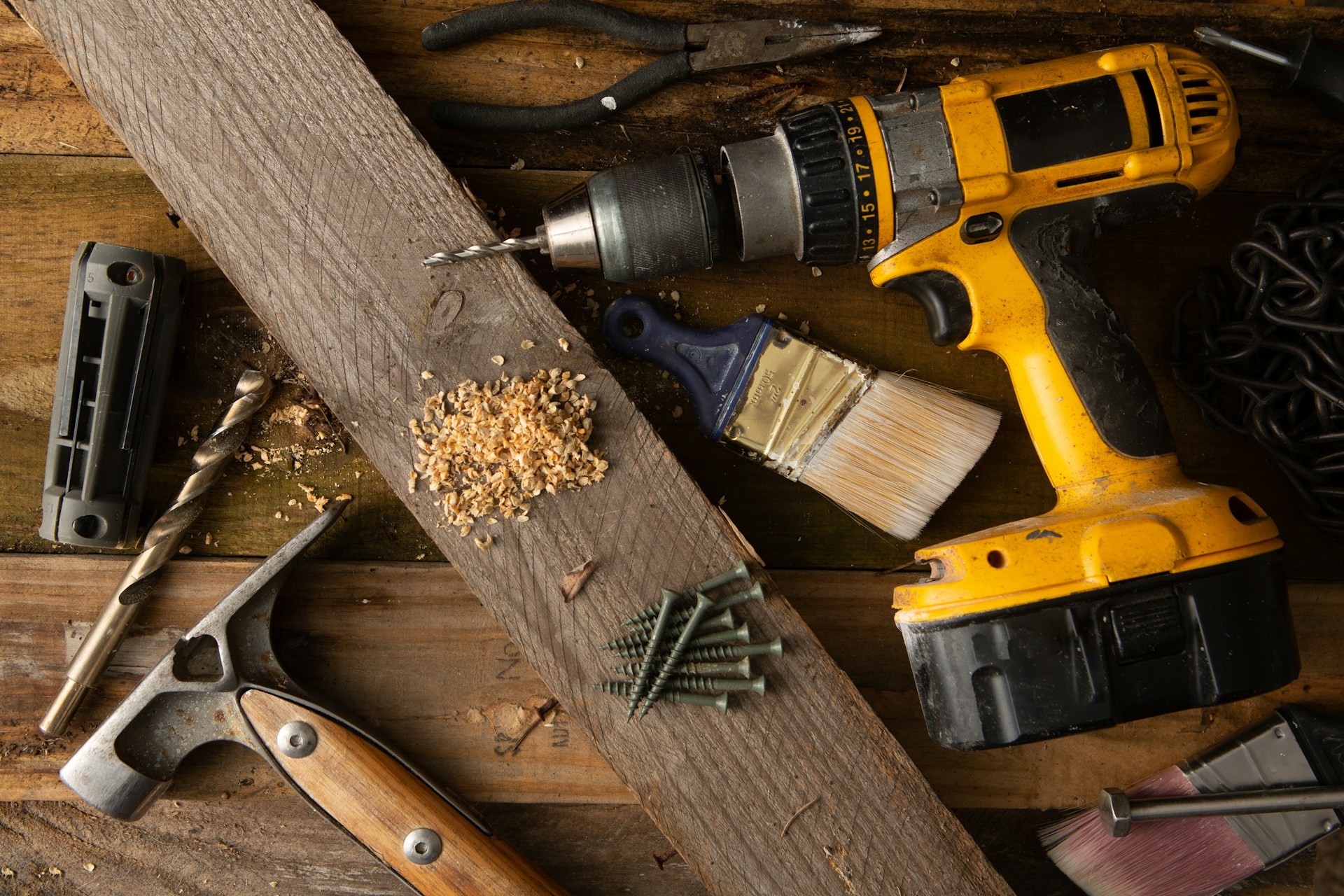
When you’re tackling a DIY construction project, having the right tools makes a huge difference. The right set of tools can mean smoother work, less frustration, and better results from start to finish. Whether you’re building a planter box, fixing up your patio, or putting together a concrete slab for a shed, what’s in your toolbox can either help your project come together or hold it back. Without the proper tools, even simple tasks can spiral into unnecessary delays.
But grabbing just any tool off the shelf won’t do. Different projects have different needs, and not all tools are created equal. That’s why it’s helpful to look at what kinds of tools work best for different types of projects and what to think about before making a purchase. Whether you’re getting started with DIY or have a few jobs under your belt, knowing what to choose and why can save time and turn a tough job into a more manageable one.
Understanding Your Project Needs
Before you start collecting tools, it’s a good idea to figure out what kind of project you’re working on. Not every job needs the same set of tools, and buying everything upfront might leave you with stuff you don’t use. Try to break the project down by tasks—drilling, cutting, lifting, leveling—and think through which tools fit those tasks.
For example, if you’re laying pavers for a backyard pathway, you’re going to need tools that help with measuring, digging, leveling, and smoothing. That could include a shovel, level, tape measure, hand tamper, and maybe a small plate compactor. On the other hand, if you’re building a simple wood garden box, you might only need a saw, hammer, drill, and some measuring tools.
Here’s a quick way to match the type of project to the kind of tools you’ll likely need:
– Building With Wood: Circular saw, power drill, hammer, clamps, measuring tape
– Cement or Concrete Work: Mixing tub, trowel, float, finishing broom, level
– Paver or Stone Installation: Rubber mallet, hand tamper, level, shovel, chisel
– General Repairs: Screwdrivers, adjustable wrenches, utility knife, pliers
The key is to match the right tool to the task instead of grabbing something because it looks handy or is on sale. Take a few minutes to walk through your plans and imagine what steps each part will need. That usually gives you a decent idea of what to look for.
Basic Tools Every DIYer Should Have
Even if you’re still learning, there are a few tools that show up on just about every job. These tools don’t take up much space, and they cover a lot of ground across different kinds of work. They’re also great to have on standby if something breaks or needs a quick fix around the house.
A dependable base toolkit should include:
– Hammer: Go for one with a curved claw for pulling nails. Great for framing, repairs, and small builds.
– Screwdrivers: A basic set with flathead and Phillips sizes can handle plenty of quick fixes.
– Measuring Tape: Helps you keep cuts and placements accurate. A 25-foot tape usually works for most projects.
– Level: Whether bubble or laser, this makes sure everything sits straight — helpful for patios, wall hangings, and shelves.
– Utility Knife: Cuts through packaging, insulation, and other soft materials with ease.
– Pliers: Ideal for gripping, twisting, or loosening stuck parts.
– Adjustable Wrench: Handles bolts and nuts of various sizes without needing a full wrench set
These tools are the go-to for small and medium jobs alike. They’re also the ones that often get passed around mid-project when someone needs a hand. Starting with these gives you a solid foundation and builds your confidence for more advanced tools down the road.
Choosing Power Tools
As projects grow in scale and complexity, relying on hand tools might start to slow things down. That’s where power tools take over. They help speed up the work, give more consistent results, and often handle tougher materials that hand tools struggle with. Power tools take on the heavy lifting when cutting, drilling, or smoothing large surfaces.
A few power tools you’ll want to consider adding to your toolkit:
– Drill: A cordless model offers freedom of movement and is great for tasks like assembling frames, mounting hardware, or drilling pilot holes.
– Circular Saw: Ideal for making quick, clean cuts through wood. Great for framing, building steps, or slicing plywood for formwork.
– Sander: An orbital sander is the go-to for smooth finishes on wood or for prep work before painting or staining.
– Jigsaw: Useful for cutting curves, circles, or irregular shapes in wood. Great for more creative DIY work.
When shopping for power tools, comfort and usability are just as important as performance. Look for tools that feel balanced in hand, have clear controls, and feature safety extras like guards or automatic shut-offs. The power source matters too. Cordless tools are portable but might need backup batteries. Corded ones stay charged but can limit your range, especially for outdoor projects.
Keep in mind that tools are an investment. You don’t have to buy everything at once. Start with tools that match your current needs and slowly grow your collection as your project list expands.
Tips for Buying Quality Tools
Not all tools are built the same. Some are meant to last for years, while others wear out quickly or don’t handle well under pressure. That’s why quality should always be something you think about when picking tools — even when shopping on a budget.
Here’s what you’ll want to look at:
– Material and Build Quality: Tools made with steel parts, solid handles, and fewer plastic joints typically last longer and hold up well under regular use.
– Customer Reviews: Checking what other users say can highlight patterns, like battery issues or consistent faults. Just be sure to read multiple reviews and not rely on just the top-rated ones.
– Warranty and Support: A decent warranty signal that the company expects their product to last. Customer support matters if something goes wrong shortly after purchase.
Remember, going cheap can cost more in the long run. Weak tools break easily and can even slow you down or cause frustration mid-project. Spending a bit more upfront often means fewer replacements and better performance over time.
Before you click “add to cart,” think about whether the tool is truly right for your needs. Does it have features you’ll use? Does it fit with what’s already in your kit? Taking a few extra minutes now might save you time and money later.
Making the Most of Your Tools
Once you’ve got the right tools, take care of them. Tools wear out faster when they’re not stored properly or cleaned after use. A well-maintained tool lasts longer, works better, and is safer to handle.
Here are a few ways to take care of your gear:
– Clean Off Dirt and Debris: Wipe down tools after use, especially if they’ve been exposed to concrete mix, sawdust, or mud.
– Sharpen Blades and Bits: A dull blade does more damage than a sharp one. Keep cutting tools sharp for better results and less strain.
– Oil Moving Parts: This helps prevent rust and keeps moving parts working smoothly.
– Invest in Solid Tool Storage: A tool chest, rolling cart, or pegboard system keeps things organized, easy to find, and protected from moisture or bumps.
If you’re doing outdoor projects or working in changing weather, dry your tools well before storing them. Water, humidity, and metal don’t mix well. It’s also worth checking for any
worn-down grips, loose screws, or cracked handles before starting a new task.
Construction Tools That Make DIY Projects Succeed
Getting into the habit of regular maintenance pays off. You’ll avoid breakdowns mid-project, keep performance sharp, and hold onto your tools longer. A little goes a long way when it comes to tool care.
Equip yourself with the best tools for your DIY projects and see your ideas come to life with ease. Mr. Pavers provides everything from essential hand tools to advanced power tools that ensure precision and efficiency. Whether you’re updating a patio or constructing an outdoor haven, we have the materials and expertise to support your vision. Empower your projects with our quality tools and experience the difference in your DIY journey.