Planning an Outdoor Patio Design Before It Gets Too Cold

Cooler mornings, shorter days, and the slow fall of leaves make it clear that the seasons are changing. For anyone thinking about updating their outdoor space, this time of year offers a perfect window to get started. An outdoor patio design does not happen overnight. It takes a little thought, some prep work, and a clear plan. Autumn gives us the space to figure out what we want before winter makes building more difficult.
Fall in Jurupa Valley usually stays mild, but that does not mean we can wait forever. Rain and colder nights have a way of slowing things down. If we plan ahead, there is still time to lay out a space that is not only ready for next spring but also usable during winter with the right features in place.
Picking the Right Spot for Your Patio
Where the patio goes often matters more than what we build it with. Light and shade change a lot this time of year, and those shifts can help guide our decision. A spot that feels perfect in the heat of summer might feel too dark in the late afternoon come fall. Take time to watch how light moves through the yard.
One of the biggest benefits of planning now in a place like Jurupa Valley is that we do not face extreme cold right away. But winter rain, especially in December and January, can change soil conditions and delay projects if we are not careful.
Simple ways to find the right spot include:
• Spend 15 to 30 minutes in different areas of your yard during the morning, midday, and late afternoon.
• Sit in each spot and consider how sheltered or open it feels.
• Think ahead to where you would enjoy sitting with a cup of coffee or gathering around a fire pit once the weather turns cool.
Getting familiar with the space ahead of time helps avoid surprises once the patio is started.
Choosing Patio Materials that Handle Fall and Winter
Once we know where the patio will go, the next step is deciding what it will be made of. Some materials hold up better during the cooler, wetter months. That is an important part of planning during the fall since anything we put outside now needs to stay strong through winter and still look good when spring rolls around.
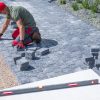
Brick, natural stone, and concrete pavers are all solid choices when building for year-round use. Each option brings its own look and texture, but they all work well with changing temperatures and steady foot traffic.
Here are a few smart things to look for when picking materials:
• Choose surfaces with some grip so they do not become slick when damp.
• Stick with warm earth tones or mixed blends that hide leaf stains or dirt.
• Avoid finishes that require constant upkeep to stay clean.
Color and finish both matter. We aim for something that looks balanced against the surrounding soil, mulch, or gravel and does not lose its appeal after a storm or two.
Choosing materials is about blending style with long-term practical use. A patio should offer a surface that looks good and lasts through all the weather that Jurupa Valley throws its way. Picking the right material helps set the tone for the whole design and provides a base that is easy to build on later.
Planning for Furniture, Fire Features, and Extras
Even if you do not plan to furnish the entire patio right away, it still helps to plan ahead. Seating arrangements, tables, and heating elements should be worked into the original layout so the design feels organized and comfortable when everything is added later.
Start by thinking about how you typically use your outdoor space. Do you like quiet evenings with a book? Backyard dinners with friends? Kids running around? All of those uses will help shape what goes where.
Some popular extra features to think about include:
• Fire pits or heaters that make the space usable during cold nights.
• Overhead lights or string lights for darker evenings.
• Pergolas or small structures that block wind or offer shade when spring returns.
The key is not to overdo it during the first phase. Keeping some space open for future updates is a smart move. It lets us live in the space for a while, figure out what works, and build on that.
Planning your layout in this way creates a flexible outdoor zone. Starting with the big pieces or built-in features allows you to add seasonal extras as you go. This way, the patio always feels just right, no matter the month, and can grow with your changing needs or tastes.
Timing Your Patio Project Before Cold Weather Hits
Good planning still needs good timing. Starting too late often leads to problems. Letting a slab set in wet soil or working during rain delays everything and can even lead to surface problems once the sun returns.
That is why fall is such a useful planning season. If we start mapping things out by the end of October, there is time to get the design on paper, prep the space, and pour or place materials before the rain settles in for winter.
Some steps to think through now:
1. Mark out the patio space while the conditions are still dry.
2. Level the ground and make drainage adjustments before storms make that harder.
3. Have materials onsite before weather interrupts deliveries or blocks access.
It is also worth considering the timing of landscaping work. Planting new beds or laying down mulch around the patio becomes much simpler when the ground is not soaked. In the fall, soil is workable and easy to shape, so projects move forward without the delays that winter storms can bring.
Waiting too long turns what could be a smooth process into something that stretches over several months. Planning now puts us ahead of that slowdown and leaves us with a usable space by the time winter ends.
Getting the Most Out of Your Outdoor Patio Plan
Starting your outdoor patio design in the fall does not just help with schedules. It gives the whole space a better feel. When we plan based on how we really use the yard through changing seasons, the result lasts longer and feels more natural.
Spring and summer get all the attention, but patios built with autumn in mind often get more use overall. Whether it is eating outside in November sun, warming up next to a fire bowl in early January, or planting in nearby beds come March, the space becomes part of daily life.
Having a patio that is versatile lets you make the most out of every month. A space designed with all the seasons in mind is more than just an extension of your home, it is a place to build memories. With solid choices in materials and layout, it can stand up to different kinds of weather and regular use from your family and friends. Outdoor spaces that are created for year-round function end up being the most enjoyable places, becoming your favorite getaway just outside your door.
When thoughtful planning happens before colder days arrive, the payoff is not just in looks, it is in time saved and comfort gained. A little effort now gets you a space that is ready when the season turns again.
Thinking about the best way to maximize your yard? We can help you choose the materials and setup that will keep your space beautiful and functional in every season. A well-planned patio creates a solid base for any updates, now or in the future. Start your outdoor patio design that matches your style and needs. Contact Mr. Pavers today to get started.