Selecting Garden Landscaping Stone for Ice-Prone Areas
Winter here in Jurupa Valley might not bring snowdrifts, but it still brings frost, chilly nights, and damp mornings that can create a mess in outdoor areas. When that moisture meets cold weather, any bare ground or hard surface can become slick or unstable. That’s why choosing the right materials, especially garden landscaping pebbles, matters more than most people think during this time of year.
Pebbles look great. They’re easy to layer, and they can finish off a yard with a really natural feel. But not every stone works well when ice is in the picture. Some shift in place or let water puddle, while others stay firm and safe. This time of year, we pay more attention to how stones sit, how they drain, and how they hold up when the nights get colder than expected.
Understanding How Winter Conditions Affect Outdoor Surfaces
Even without snow, cold winter weather can still wear on hardscape surfaces in California. It doesn’t take much to make walking spots slippery. Just one frosty night followed by a sunny morning is enough to loosen stones or send surface moisture into cracks.
• High moisture makes surfaces slick, especially in shady or low-lying areas
• Even light frost can cause materials placed on bare dirt to shift or sink
• Cold nights followed by warm afternoons speed up drying and shrinking, which can lead to cracking under a bed of pebbles or pavers
• Extra winter rain adds pressure on drainage systems, which can displace lighter materials or cause pooling under certain stones
When we look at how these conditions affect outdoor areas, we shift focus toward good drainage, proper depth, and firmer base layers that keep stones steady no matter the change in weather from morning to night.
Stone Types That Handle Ice Better
Not all stones work the same way in cold weather. We look at surface grip, water movement, and general stability when we start picking the right kind for icy mornings.
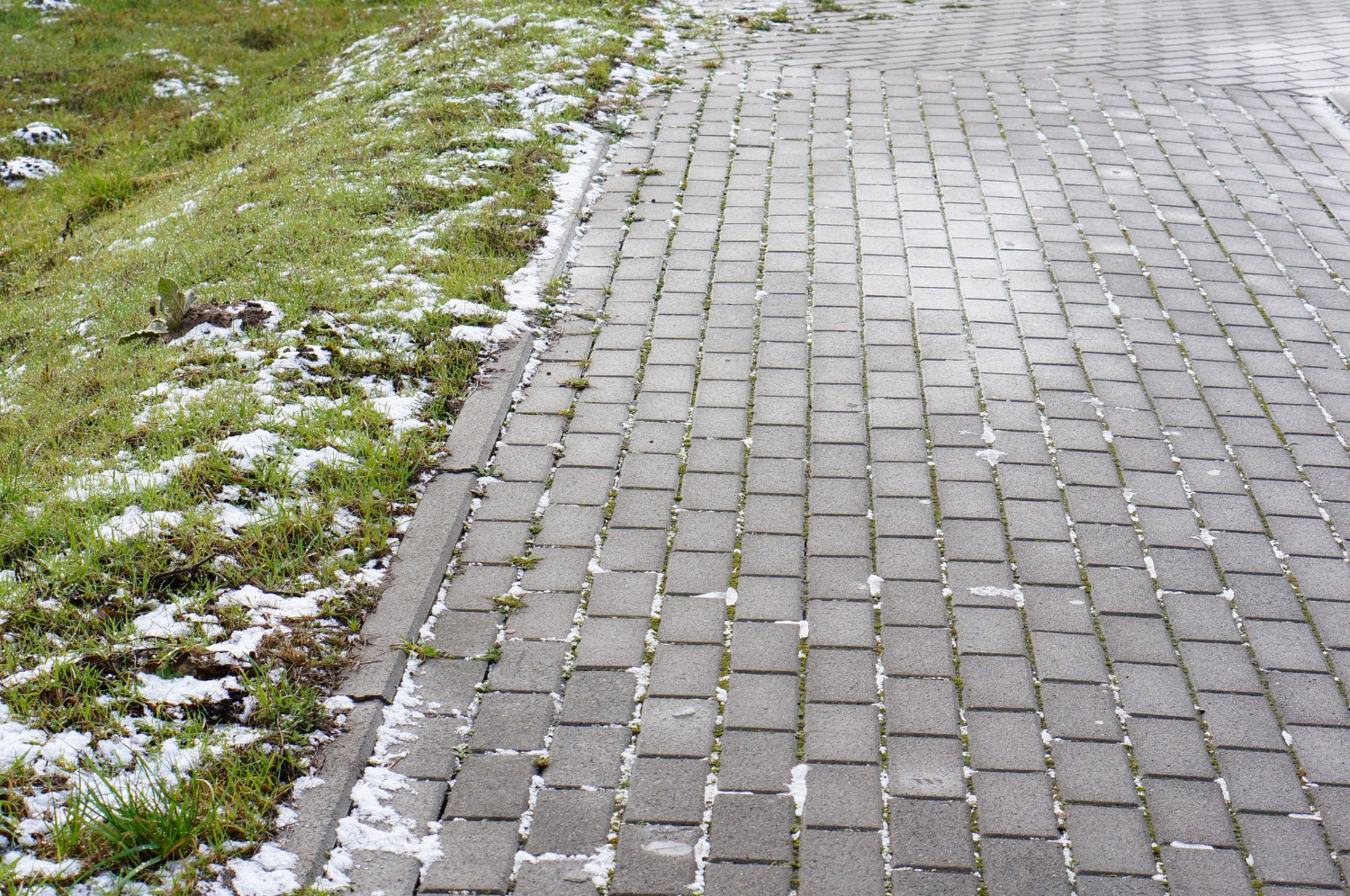
• Dense, flat pavers tend to hold firm and offer more grip, especially on areas with foot traffic
• Rounded, loose pebbles can scatter underfoot and get slippery when wet, which is why we keep them away from primary walking paths
• Dark-colored stones tend to hold heat a little longer, which might slightly help with surface thawing during cold stretches
• Larger, heavier stones are more likely to stay in place after rain, while light or poorly supported mixtures can float or shift
When we’re focused on safety and long-term hold, it’s best to use rounded pebbles for decoration and stick with flat, textured stone for areas people walk across regularly.
Where and How to Use Landscaping Pebbles Safely
We use garden landscaping pebbles during winter for areas that don’t get much foot traffic. They still add visual texture, hold in moisture where needed, and tie a yard together, but they don’t always perform well under heavy steps or along sloped paths.
• Place pebbles in planting beds, under benches, or in visual sections that won’t be walked on
• Keep walkways clear by using brick, concrete, or paver borders. Pebbles should have something firm on both sides to stop them from spreading
• Use path liners or edging to hold groups of stones inside their space
• Go with medium-sized stones if there’s any sort of downward slope nearby, since they’re less likely to slide from runoff or rain push
• Avoid using lightweight or tiny pebbles where water tends to pool or where hills meet flat zones
By thinking ahead and knowing where your footpaths tend to get icy or rain-heavy, it becomes easier to decide exactly where pebbles still make sense and where a firmer surface would serve better.
Preparing Ground for Better Winter Performance
A steady surface matters most in winter. That starts with how the ground is prepared beneath the stones. If your base isn’t solid, even heavy stone can shift or settle unevenly when cold or moisture creep in.
• Always clear out fallen leaves, loose mulch, and debris before laying fresh stones
• A packed gravel or compacted sand layer will stop pebbles from sinking into soft soil
• Check the grade of your yard and give slight slope to all stone-covered zones so that water runs away from homes or garden beds
• We don’t let garden landscaping pebbles sit directly on soil, especially if that soil still feels damp underfoot
• Placing a filter fabric under the sand layer can help separate soil from your base
This base work takes more time than just grabbing a shovel and dropping stones, but it’s what makes everything safer and cleaner in the weeks when the ground isn’t reliable.
When to Install or Check Stone Layouts Before Ice Arrives
Jurupa Valley has its share of cold spells starting mid-December through early January. That small window is where things tend to get slippery overnight. Once we hit that point, the ground holds cold longer and drying takes extra time.
• Mid to late December is when we wrap up most installs, since the first real freeze can show up suddenly
• Having materials down early means they settle before the ground starts holding water
• We check older setups around now to make sure walkways are still tight, nothing has sunk, and last year’s work hasn’t formed new low spots
• Loose pebbles or uneven paver edges are easy to fix before it gets too cold to reset base materials
• Any areas that freeze over are harder to work with, delay repairs, and risk damage if water expands below the stones
By checking the layout ahead of those colder weeks, we avoid headaches like washed-away fill or cracked stone beds come January.
Stay Safe and Solid Through the Cold
Cold nights, light rain, and shade all work together to make garden paths and outdoor areas less stable in late December. But that doesn’t mean we need to skip style or keep things plain.
We just work smarter. Garden landscaping pebbles look right at home in calm parts of a yard. With the right base and good planning, they hold up well and add to the space without becoming a hazard. Done right, the stones stay firm through wet spells, and your yard stays safer long after the first frost hits the ground. Planning where and how we place these materials is the key to making them last through more than just one season.
With winter approaching, it’s time to prepare your outdoor spaces for the chilly months ahead. Consider enhancing your garden’s safety and aesthetic with garden landscaping pebbles from Mr. Pavers. These pebbles blend perfectly into your landscape, providing both beauty and functionality. Contact us today to ensure your yard is ready to handle winter’s challenges while maintaining a stunning appearance.