What to Consider Before You Stack Concrete Blocks
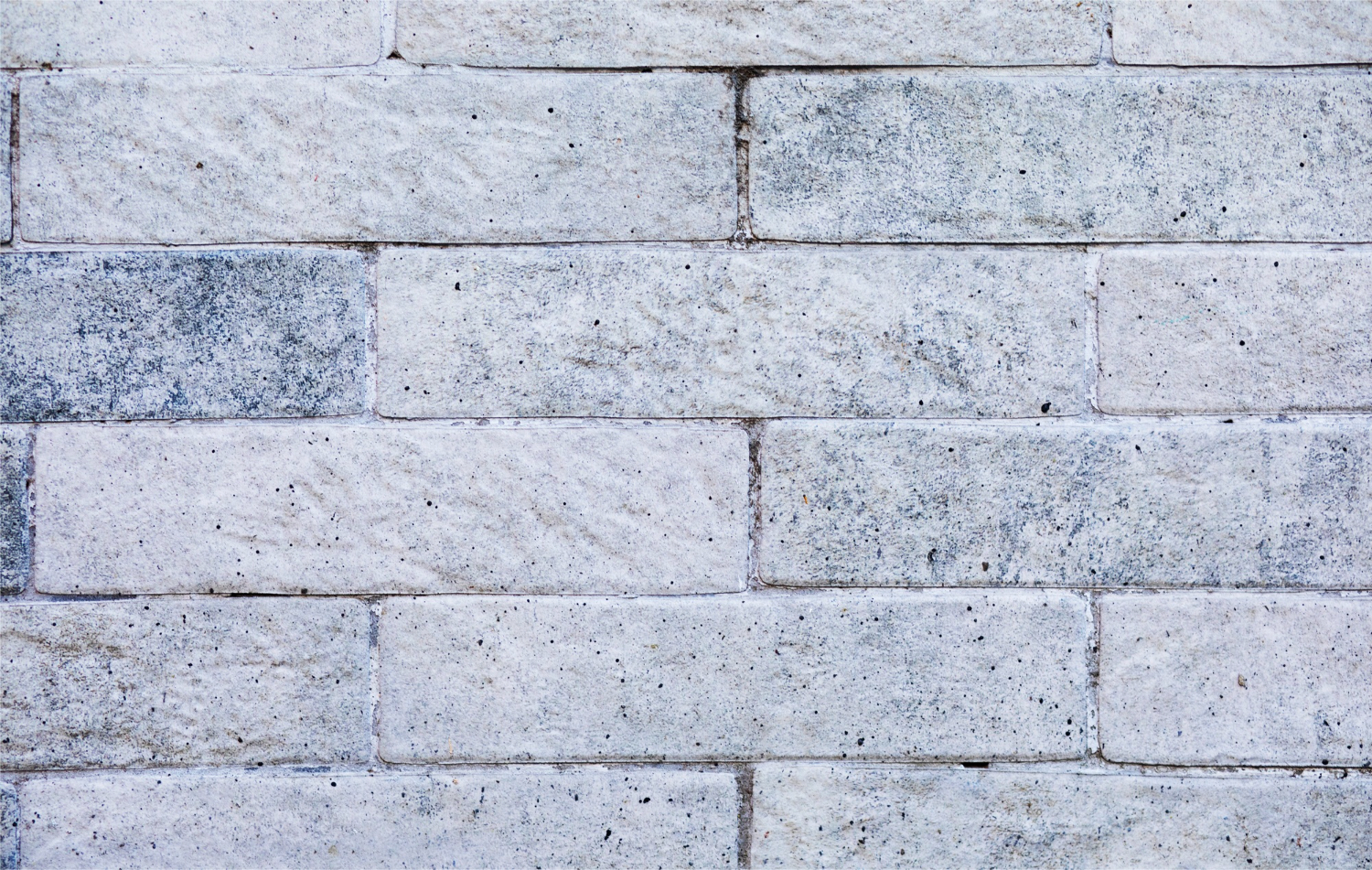
Stacking concrete blocks is a go-to method for building garden walls, borders, and raised beds without using mortar. It’s popular because the job looks simple at first: just stack concrete blocks and you’re on your way. But the success of those stacks depends on more than the blocks themselves. Before placing that first row, it’s smart to look at the ground, your materials, and even the weather.
Since it’s late winter, many projects are still in the planning stage. That’s a good thing. Wet soil, cold mornings, and shifting ground can affect how well stacked blocks hold up. Taking time now to plan and prepare can save us future repairs down the line.
Know Your Ground Conditions
What you stack on matters just as much as what you stack with. If the base is weak or uneven, the whole build eventually feels it. Soil that stays soggy, shifts often, or sits on a slope is more likely to cause leaning or sinking over time.
• Loose or muddy soil doesn’t hold weight evenly. Blocks may tilt or settle at different speeds.
• A base with patches of standing water can weaken during wet months, especially after steady rain.
• Gently sloped ground may need some grading before stacking. Flat, compacted areas are more reliable.
We always recommend checking where the water drains during winter storms. If moisture lingers close to where you plan to start, it might help to shift the location or build in extra drainage first.
Pick the Right Type of Block for the Job
Not all blocks are the same. Some are made to look smooth and modern, others are rugged or textured for a more natural look. The size and weight of the blocks will change how they sit together and how tall or wide you can build before needing added support.
• Thicker, heavier blocks are better for taller builds or places where the wall needs to resist pressure.
• Lighter blocks make more sense for small garden walls or edging areas around trees or flower beds.
• Interlocking blocks or those with flat tops and bottoms will stack more evenly and stay in line better.
Matching the right block to the job saves time during setup and makes the wall easier to maintain later. Choosing the best block for your specific purpose gives the wall a better chance of standing strong year-round.
Line It Up: Planning Layout and Spacing
One of the easiest ways a block wall can go wrong is at the ground level. If that first row isn’t straight or level, the rest of the stack follows the same crooked path. And in late winter, cold soil and uneven patches make that even more likely.
• Use string lines, stakes, or paint to mark the design and spacing before you set anything down.
• Always check level before adding each row. What looks straight with the eye might not hold up over time.
• Keep the blocks spaced properly as you go. Gaps or overlaps in a dry-stack wall can shift during wind or water flow.
It may feel tempting to rush the setup once materials are on hand, but the extra step of aligning things now avoids bigger fixes later. Taking time to review your planned layout and spacing is worth it and leads to a longer-lasting, better-looking wall.
Weather Factors to Think About This Time of Year
Late December brings short days, damp soil, and cold nights. These make it harder to get a solid start. Wet weather softens the ground, making it less steady under pressure. Cold mornings can lead to frozen patches that thaw unevenly through the day.
That’s why we usually recommend planning now but waiting for a few dry days before starting larger stack jobs.
• Ground that’s too wet might sink under the weight of a full wall.
• Cold air slows drying or settling where prep layers are involved.
• Rain can wash away any base material before blocks are set, especially on sloped ground.
During this part of the year, it’s smarter to focus on measuring and prepping your space. Laying down gravel or base rock ahead of time can help once dry weather returns. Making sure your site is ready now will make work go faster when the weather does improve.
When to Ask for Help Instead of Guessing
Not all stacking projects are simple. Anything above a couple of rows, or structures that need to hold weight, can get tricky fast. Without the right support, taller stacks may lean, split, or even fall in strong weather.
• Raised beds are usually safe to build without extra help if they stay under a few rows high.
• Retaining walls, privacy walls, or fences using stacked blocks should be planned with professional help.
• Any wall that curves, sits on a hill, or runs close to a building may affect drainage or stability.
It’s always safer to ask for guidance when you feel unsure. Catching design problems early means fewer late fixes or safety risks later on. Sometimes, an expert eye finds problems you might miss, making the end result safer and much more stable.
High-Quality Block Selection in Jurupa Valley
For stacking projects in inland Southern California, materials matter. Mr. Pavers stocks concrete blocks, base rock, and gravel for projects of all sizes, serving both homeowners and contractors from our Jurupa Valley, California, location since 1993. Our expert team can advise on block types and supply practical tips to support lasting garden structures, from retaining walls to raised beds.
With a large and diverse inventory, you can find smooth, rugged, and interlocking blocks, as well as the gravel and foundation materials needed for stable dry-stack builds. Local service helps you make the best product choices and ensures you have the right supplies to get the job started right the first time. Having the right materials close by also makes it simple to make changes if unexpected issues come up during your build.
Build Smarter by Starting One Step Ahead
When we stack concrete blocks, we build more than just structure, we build something that needs to last through weather, weight, and time. That starts at the ground level: with tight planning, smart material choices, and a good sense of the season ahead.
By getting details right before the first block is set, we make the rest of the job smoother. Soil, slope, size, moisture, and temperature play a part in every stable build. So even if it’s too wet or cold to work today, studying these steps now helps us get ahead for when clearer days arrive.
Preparing to build with confidence is key to a stable and lasting structure. As you plan your project, remember that the choice to stack concrete blocks can make all the difference in your garden’s durability. At Mr. Pavers, we provide the guidance and materials you need to ensure every wall, bed, or barrier stands strong. Reach out today to discover how our expertise and high-quality blocks can turn your plans into reality, supporting your vision from the ground up.