Guide to Building Concrete Block Gardens That Don’t Collect Water
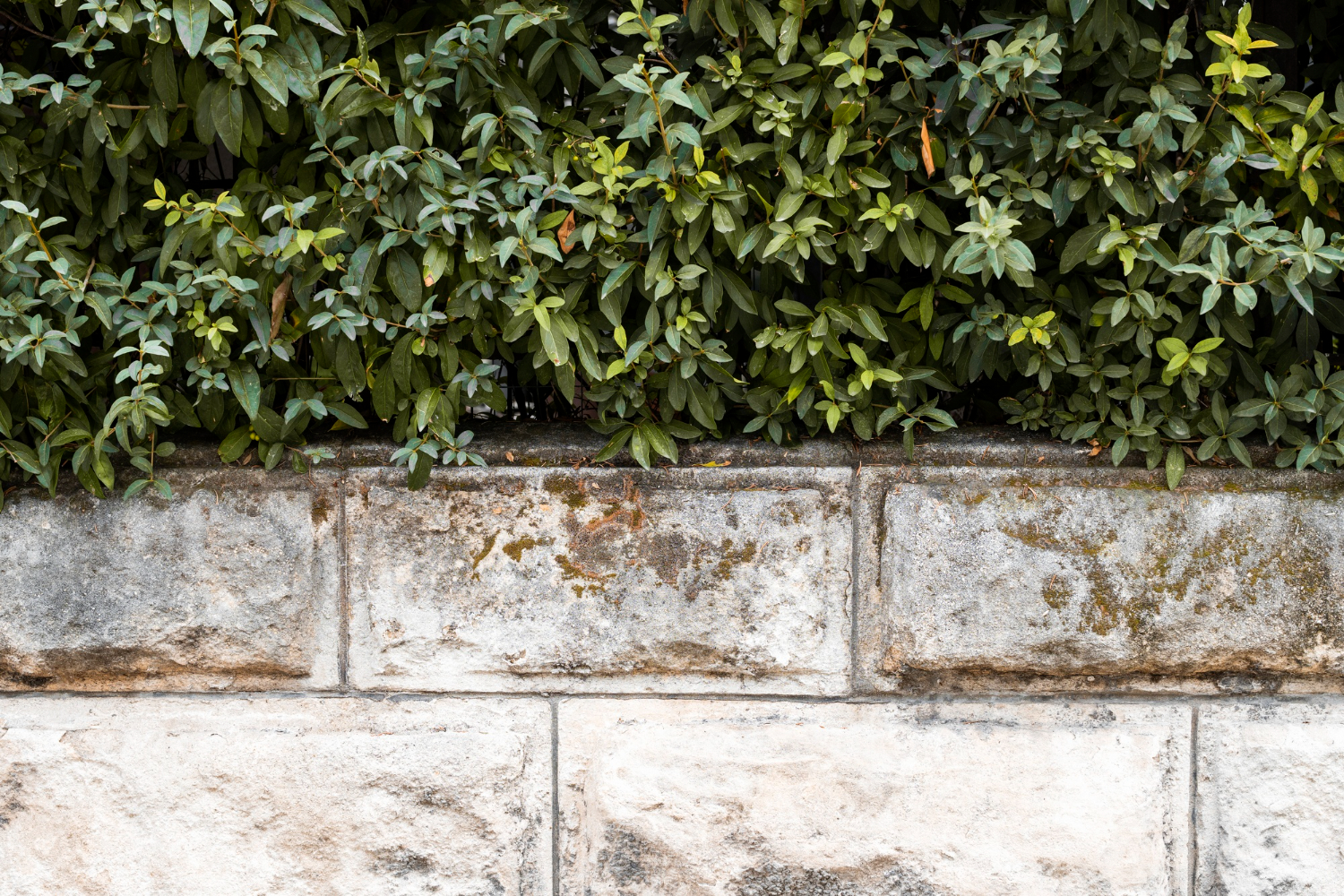
A concrete block garden is an easy and affordable way to add structure to your outdoor space. Whether you are lining a raised bed or shaping out a small planting area, concrete blocks help keep things neat and solid. If water starts to collect in or around that space, especially after winter rain, you could end up with soggy soil or wilted plants. Drainage problems can appear quickly if the blocks are not in the right spot or if the soil is not prepared properly. At Mr. Pavers in Jurupa Valley, California, we have supplied concrete blocks, pavers, gravel, cement, mulch, and other landscape materials since 1993, so planning for drainage is a key part of many garden projects we see.
This guide will help you build a concrete block garden that does not trap extra water. Taking these simple steps now can save you from having to redo it all later, just as spring gardening is starting.
Planning the Layout to Support Drainage
Before stacking a single block, the spot you pick and the way you plan your layout matter most. Water needs a way to move, not collect. This process begins with choosing where the garden goes.
Look for areas that are level or have a slight slope. This keeps water from settling in low spots where runoff has no exit. After that, use a pencil and paper or even a garden hose to sketch your shape before you start digging.
When you are placing the blocks, leave just enough space where needed so water is not completely boxed in. Some block designs have open centers or low corners that naturally let water escape. If you are stacking blocks more than one or two layers high, it becomes more important to consider how the shape affects water flow.
Picking and Prepping a Drain-Friendly Base
Once the shape is set, what you put underneath is just as important. Without a good base, water will settle quickly. Gravel or decomposed granite are some of the best materials for a solid footing that still drains well. These materials pack down firmly but not so tightly that water cannot get through. At our Jurupa Valley yard, these base materials are available in both bulk and smaller quantities, so it is easier to match the amount you buy to the size of your garden.
Try to avoid using clay-heavy soil below your concrete blocks. Clay holds water and stays wet much longer than sandier mixes. That can undo your hard work, especially around the edges.
When you spread your base, rake it evenly and slope it just slightly away from the garden. The tilt does not need to be dramatic. Even a soft slant can guide water out before it becomes a problem inside the wall.
Installing Blocks Without Creating Water Traps
It is not just about the blocks you choose; it is about how you set them. Dry-stacking the blocks lets water move through tiny spaces instead of getting trapped behind a solid wall of mortar. If you choose to bond them more tightly, keep a few planned joints open to help with water flow.
Make sure blocks are level from side to side and from front to back. Uneven blocks may not seem like a major issue, but even a small tilt can cause water to pile up where you do not want it.
In beds where water might collect, some people cut small hidden channels or run plastic pipe behind the bottom row to let runoff move out beneath the surface. A few well-placed pockets can make a significant difference without changing how the garden looks.
Managing Soil and Plants Inside the Bed
After setting the borders, what goes inside is just as important. Heavy soil can slow drainage, especially in the cooler months when things do not dry out as quickly. Lighter mixes with sand or compost provide air pockets, helping roots breathe and water flow rather than getting trapped.
Over-watering can happen easily when it is cold and damp outside. Plants do not need as much water at the end of winter, so reduce watering instead of drenching the beds.
If you are still choosing what to grow, pick plants that prefer well-drained soil. Native or drought-resistant varieties are often good choices. They will grow well without turning your garden into a puddle.
Keeping It Working Year-Round
Even a solid build needs occasional checks. After a significant rain or windstorm, walk around the edge of the garden. If any spots have settled or if the edges feel soft, water could be getting stuck instead of moving out.
You might need to add some fresh gravel to fill low areas or tilt soil a bit to improve drainage again. If you see algae or puddles that remain for too long, those are warning signs that water is not moving quickly enough.
Before each planting season, spend a few minutes raking the surface and resetting small dips. This bit of preparation keeps your garden working as it should, even after a wet winter.
A Garden That’s Ready for Every Season
Taking time to plan each step now can help your concrete block garden remain strong and dry all year. When water moves freely and does not collect, you get healthier plants and fewer problems to fix later.
Early preparation means the materials have time to settle before spring. This allows you to plant on schedule without needing to backtrack or fix waterlogged areas. Careful setup now saves time and keeps your garden looking great once warmer weather arrives.
A successful garden starts with the right materials and setup, especially when it comes to managing seasonal moisture. Choosing a well-built concrete block garden means better drainage, more durability, and healthier plants after heavy rain. At Mr. Pavers, we have everything you need to start your project strong. Call us today to discuss solutions that fit your space and help your garden grow well.