Why Do Gravel Garden Pathways Lose Shape in Early Spring
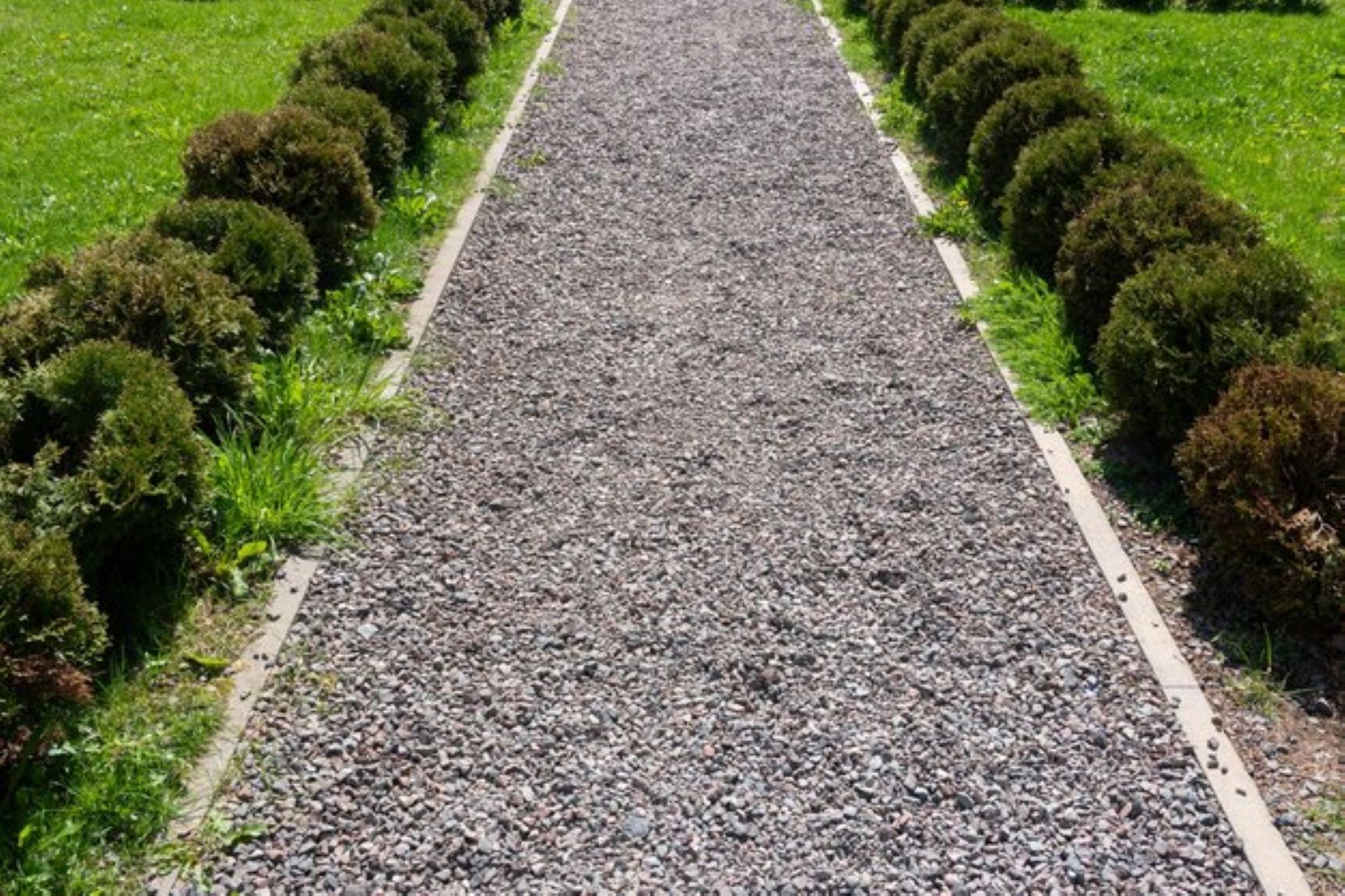
Gravel garden pathways are a favorite for many reasons. They’re easy to walk on, simple to install, and have a natural look that blends right into outdoor spaces. But once early spring arrives, a lot of people start to notice that their paths no longer look even or feel firm. This time of year tends to undo some of the structure those paths had through fall and winter.
In places where the ground holds a lot of moisture through winter, like Jurupa Valley, it’s common to see gravel shifting out of place before spring even fully settles in. That’s not just down to rain. The ground under your feet goes through changes when temperatures keep rising and falling. Toss in more people walking outside on soft soil, along with new growth or runoff, and things can move out of shape fast. At our Jurupa Valley, California, yard, we regularly see these early-season changes on gravel paths that connect driveways, patios, and garden beds for local homeowners and contractors.
Why Spring Weather Impacts Gravel More Than Other Seasons
Gravel doesn’t pack itself down unless we help it. Once the weather warms a few hours during the day, then drops again at night, the ground acts like it’s breathing. That pushes things up, then pulls them down.
Here’s how spring weather works against gravel paths:
• Regular rain makes dirt and fill underneath weak or sticky, making gravel shift more easily.
• Warmer days followed by cooler nights cause soil layers to expand and shrink, loosening the gravel on top.
• Late frost or freeze-thaw cycles turn the dirt below soft in spots, leaving dips where the gravel once sat level.
This movement is subtle at first. You might not notice it right away unless you look closely. By the time people start using the path more, parts of it may already be uneven or soft.
Soil Conditions Under the Pathway
The kind of soil under a gravel path plays a huge role in whether it holds shape. If the base wasn’t set well when the path was built, then winter water and early spring warmth will create soft patches. That leads to dips, bumps, or thin spots.
What we often find beneath problem areas is either loose backfill or places where the soil wasn’t compacted enough. When those weak layers meet spring rain, they sag.
Things that work against solid gravel paths include:
• Tree roots growing nearby that shift soil quietly all winter long.
• Water runoff patterns that changed slightly over time, now draining into one side of the path.
• Areas near the edges where no barrier blocks gravel from spreading into the yard or beds.
These forces don’t ask permission before making a mess of things. By spring, they’ve already started doing damage under the surface.
Foot Traffic and Use After Winter
Once the sun starts showing up more often and days feel longer, people step outside ready to get into their gardens again. That’s usually when gravel paths take another hit. Walking on soft spots after winter speeds up how fast those places lose shape.
Some of the most common trouble spots show up where walking patterns repeat over and over. For example:
• Corners or curves in the path turn into loose gravel piles because feet naturally cut across them.
• Pets love running the same spots each day, and that regular impact spreads gravel off the side.
• Kids playing, bikes rolling over soft spots, or garden carts taking the same route can all add to the wear.
Suddenly, one side of the path feels lower. Or you can see patches where the gravel thinned out and the base underneath is showing.
What Materials Do When Temperatures Swing
Gravel garden pathways don’t shift on their own, but what they sit on does. When freeze and thaw cycles run across the ground, they affect how the stones above behave.
Thinner layers of gravel can react faster to base movement. With too little material on top, the surface starts to feel uneven or patchy. If the stones were already a loose fit, they may slide out of place pretty easily during early spring weather.
Some people think mixing large and small stone sizes will solve the problem, and while it can help slow things down, it’s not the full answer. Even blended gravel needs a solid, compacted base and a clear edge to stay in place through spring. That is why we stock multiple gravel and decorative stone options at Mr. Pavers, so you can refresh worn pathways with materials that match your yard and local conditions.
Making Your Spring Pathways Last Longer
If a path gets soft in spots or spreads past its edging every spring, that’s usually a warning sign. It means something underneath is shifting, often where the path gets the most traffic or where water is moving through.
A few ways to slow down path damage before it gets worse include:
• Watching for pooling water or squishy areas near the edge that weren’t there in the fall.
• Checking your gravel for flat spots or piles that build up after early foot traffic starts.
• Looking at the edge of the path. If you see gravel spilling into soil or garden beds nearby, it may be time to reset your borders or top off thinner sections.
Spring is a good time to take stock of the shape of your pathway. Once everything begins to dry out and flowers start coming in, it’s easy to forget about the foundation under your feet.
Gravel doesn’t hold its shape forever unless we help it along. Whether you’re walking out to plant new beds or just enjoying the warmer air, a stable path gives you a better experience. Small checks through spring can keep small problems from turning into a full rebuild later.
When your path isn’t holding up the way it used to, we can help you get ahead of wear and shifting before it turns into a bigger problem. Solid footing through early spring starts with knowing when conditions are working against you, and we have helped homeowners and contractors figure out what is going wrong under their gravel garden pathways while building better foundations going forward. At Mr. Pavers, we are here to help you make smarter choices with durable materials that support your space, so give us a call to discuss what you’re noticing and how we can help.