Creating Rock Garden Gravel Strips Along Los Angeles Fences
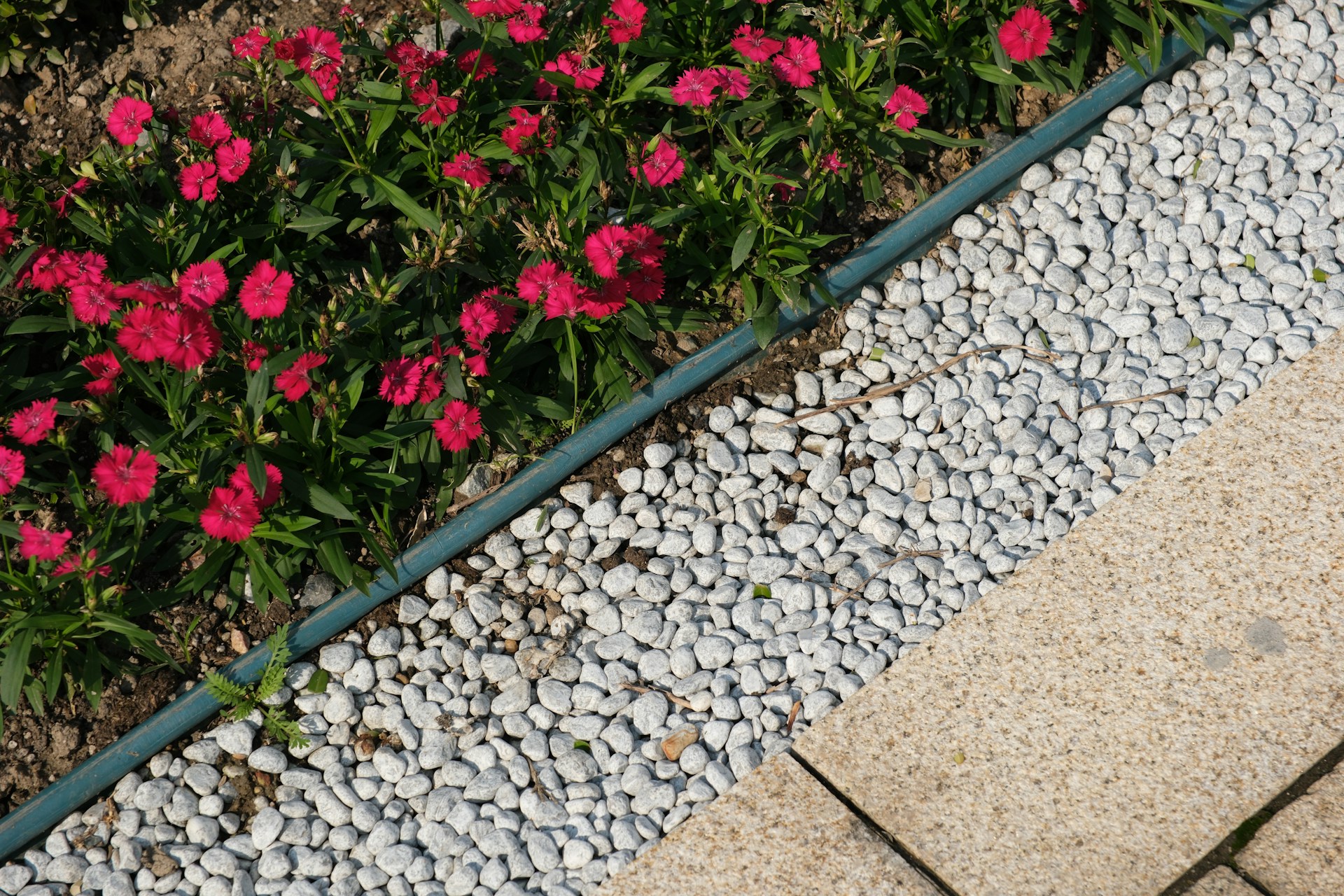
Turn Fence Lines Into Low-Maintenance Rock Gardens
Rock garden gravel strips along fences are one of the easiest ways to clean up a yard fast. Instead of fighting weeds, mud, and messy edges, you create a neat border that always looks finished. It turns a forgotten strip of ground into something that actually makes the rest of your yard look better.
Along Los Angeles fences, those narrow areas often collect overspray from sprinklers, blowing leaves, pet mess, and random clutter. A simple gravel strip turns that headache into a clean frame around your lawn, planters, and patio. Gravel helps with drainage, cuts down on splashing against the fence, and gives you a clear line that separates lawn from hardscape.
Rock garden gravel works especially well in Southern California’s dry, warm spring and long summer. Spring is a great time to put it in so it is ready before outdoor parties and long evenings outside. With the right gravel, edging, fabric, and a few accent stones, that boring fence line starts to look like it belongs in a design magazine, not just “behind the house.”
Why Gravel Strips Work so Well Along LA Fences
A narrow strip of rock garden gravel, usually 12 to 24 inches wide, can do a lot more than people expect.
For weed control and low maintenance, gravel strips:
- Reduce places where weeds can grab hold
- Remove the need to mow or trim right up against the fence
- Keep lawn tools away from wood or metal so they do not get nicked
- Create a buffer so roots and runners stay out of fence posts
Gravel also helps protect fences and nearby walls. When soil is piled against posts, it holds moisture and can stress wood or metal over time. Gravel lets water drain more freely, so the base of the fence can dry out. It also cuts down on muddy splash against stucco, block walls, or painted wood when sprinklers run or when you hose off the yard.
In a dry Los Angeles climate, gravel strips fit well with fire-wise and drought-smart yard design. While they are not a fireproof shield, they can be part of a cleaner, lower-fuel zone along fence lines. Gravel does not need watering like turf, which helps if you are cutting back on irrigation. It also looks great with:
- Drought-tolerant plants in raised planters
- Dry riverbed accents with slightly larger stone
- Simple drip lines tucked under the rock for targeted watering
Planning Your Fence-Line Rock Garden Gravel Strip
Good planning makes the strip look like it was always part of the yard, not an afterthought. Start with a tape measure and a simple sketch.
To plan the layout, think about:
- Total fence length along each side of the yard
- Ideal width, from a narrow accent band to a wide dry creek look
- How the strip will turn corners, pass gates, or meet patios
Some yards look best with a straight, clean line that runs the full length of the fence. Others benefit from slight curves or small “bays” where you can add pots, a bench, or a utility spot. Make sure you note where gates swing and where people walk, so the gravel works with daily life.
Next, choose your materials and style. Rock garden gravel comes in different sizes, shapes, and colors. Pea gravel has small, rounded stones that are comfortable for walking. Crushed rock locks together more tightly and tends to stay put. Decorative gravel can bring in colors that match:
- Natural wood or stained fences
- Stucco and roof tones
- Pavers, steps, and existing rock features
You can also add pavers, stepping stones, or small boulders inside the gravel strip as focal points or functional walkways. Once you have a design in mind, you can calculate how much material you need based on the length, width, and planned depth of the strip. That helps when you are ready to choose gravel, edging, and landscape fabric that all work together.
Step-by-Step Installation for Contractors and DIYers
Even if a pro does the work, it helps to know the basic steps. That way you can plan around your schedule, your HOA rules, and how you use your yard day to day.
Site prep and weed prevention usually include:
- Clearing old plants, roots, and debris along the fence
- Removing any leftover turf or groundcover in the strip
- Raking and lightly leveling the soil for a smooth base
- Laying down quality landscape fabric to block weeds
Landscape fabric is key if you want the strip to stay low-maintenance. It should fit snugly around fence posts and any existing irrigation lines, without gaps where weeds can sneak through.
Next comes edging and gravel installation. Edging holds the rock garden gravel in place and keeps it from spilling into lawns or planters. Common edging choices are metal, plastic, or stone. Once the edging is set, gravel is usually installed at about 2 to 3 inches deep. It is spread evenly, raked smooth, and then lightly compacted or walked on so it settles into a level surface.
Safety and efficiency matter during this stage. Gravel is heavy, so plan the best access for wheelbarrows or material delivery. Protect any drip lines or sprinkler heads that run near the fence. Make sure gates still open freely and that you keep any local rules about fence heights, shared property lines, or visible changes along alleys and side yards in mind.
Design Ideas to Elevate Simple Gravel Strips
A gravel strip can be more than just a “no grass” zone. With a little thought, it can become one of the nicest parts of the yard.
For a modern and minimalist look, try:
- A single gravel color along a dark or black fence
- Large-format stepping stones set in straight lines
- Simple, low-profile lighting along the base of the fence
This style works well with clean, rectangular lawns and sleek patio designs. The gravel strip becomes a bold frame that makes the grass or pavers pop.
If you prefer a softer feel, you can still stay water-wise. Mix gravel with:
- Clusters of drought-tolerant plants in pots or raised planters
- Small planting pockets cut into the strip at intervals
- A mix of stone sizes to create a dry creek or “river” look
This breaks up a long fence line, adds color and texture, and keeps water use low. Gravel helps keep pots stable and stops soil from splashing up on the fence.
Gravel strips are also great for function. Many homeowners use that narrow area as:
- A clean path for taking out trash bins
- A pet-friendly corridor that does not turn to mud
- A stable base for AC units, pool equipment, or storage sheds
Because gravel drains well and does not get soggy, these areas stay neat and easy to use, even with frequent foot traffic.
Get Your Fence-Line Gravel Project Rolling This Spring
As days get longer and outdoor plans pick up, spring is a smart time to tackle those fence edges before the busy summer season. Starting with just one fence run can show how much cleaner and more finished your yard can look with a simple rock garden gravel strip.
At Mr. Pavers, we work with both contractors and homeowners across the Los Angeles area to supply gravel, stone, pavers, mulch, turf, and related materials for jobs like these. Bringing a few photos and basic measurements makes it easier to match rock types, edging, and fabric to your yard style. With a little planning and the right materials, those once-forgotten fence lines can become some of the most organized and attractive parts of your outdoor space.
Get Started With Your Project Today
Transform your outdoor space with the right materials and expert guidance from Mr. Pavers. Explore our selection of rock garden gravel to find the perfect look and function for your landscape. If you have questions or need personalized recommendations, contact us and we will help you plan your next project with confidence.