Deciding on Garden Ground Cover Before Laying Artificial Turf
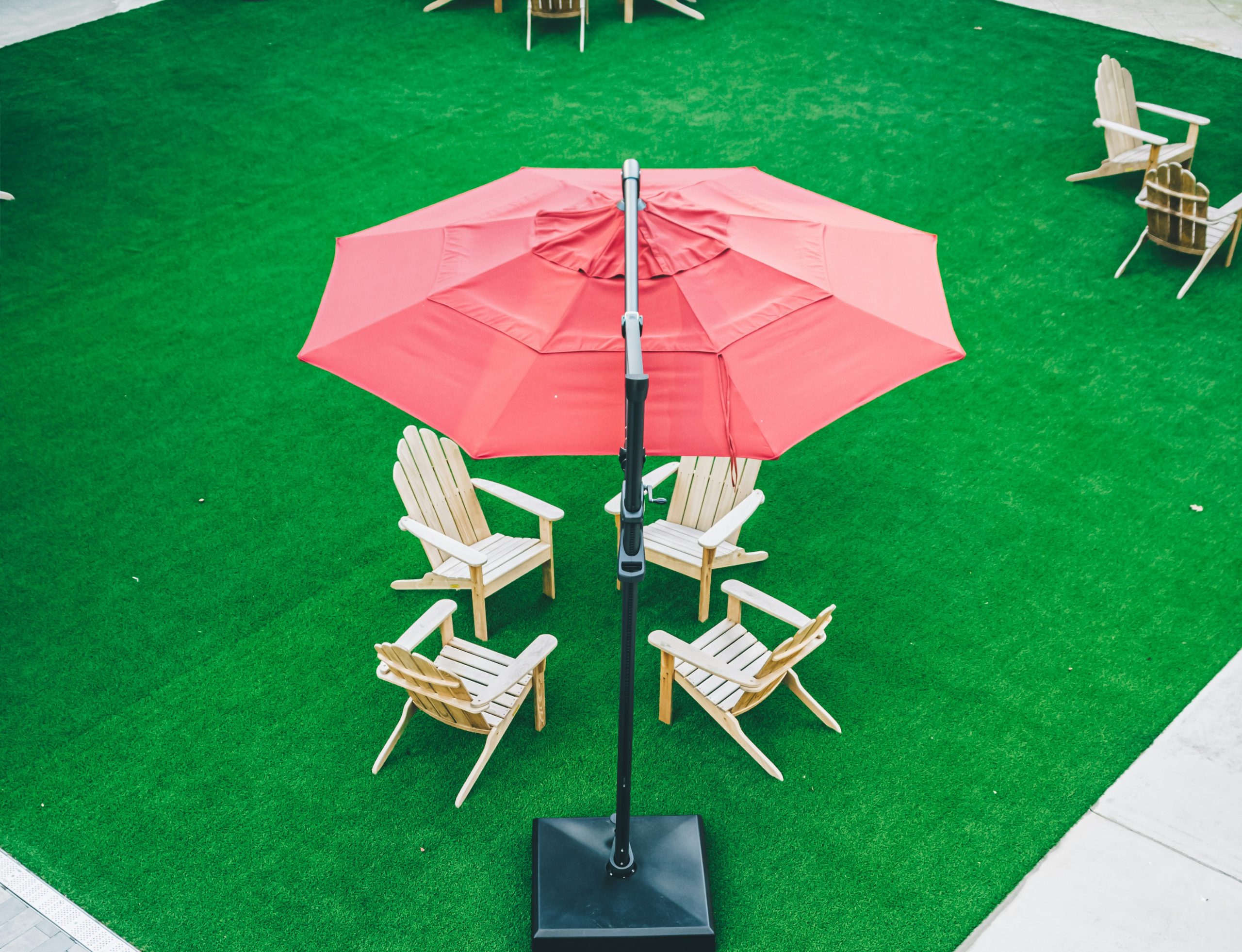
Artificial turf in Los Angeles can look amazing, stay green all year, and keep your yard low-maintenance. But what you put under the turf matters just as much as the turf itself. The right ground cover and base help your yard stay smooth, clean, and comfortable when the days get long and hot.
When people rush and lay turf right over dirt, problems show up fast. Bumps, bad smells, weeds poking through, and puddles after a surprise storm all come from a weak base. Here we walk through how ground cover works, what materials to consider, and how our local soil and weather affect your choices before you order anything.
Choose the Right Base Before the LA Summer Heat
Once turf is down, it is not easy to fix what is underneath. The warm months can bring dry weeks, strong sun, and the occasional heavy shower. If the base is wrong, heat and water will find every weak spot.
A good turf base should:
- Drain well so water does not sit under the turf
- Stay firm so it does not shift and create dips
- Help control weeds and odors
- Feel good under bare feet and paws
Ground cover is not just one layer. It is a system that can include compacted rock, decomposed granite, weed barrier, and sometimes special drainage or infill. In Los Angeles, where soil is often hard and drainage is tricky, planning this base before late spring and summer is key.
Understand How Los Angeles Climate Affects Your Turf Base
Our area gets long dry stretches, then sudden bursts of rain. Many yards also have clay or compacted dirt that does not drain very well. If turf goes straight on top of that, water can get trapped, and that is when odors and slime show up.
Good drainage under turf helps with:
- Reducing mold and bacteria under the surface
- Keeping pet areas fresher and easier to clean
- Allowing the turf to dry out faster after rinsing or rain
- Helping the surface feel cooler because water is not trapped below
A quick turf over dirt shortcut might look fine at first, but once the first big spring storm hits, you may see puddles and soft spots. A well-built base of aggregate or decomposed granite lets water move through, even when heat and rain keep trading places.
Comparing Popular Ground Cover Options Under Turf
Not all ground covers act the same once you compact them and put turf on top. Some are better as base layers, others as accents around the turf.
Here are the main options people consider:
- Native soil and dirt
- Decomposed granite and Class II type base rock
- Gravel, sand, and specialty fills
Native soil and dirt
Leaving your existing soil as-is is tempting, but risky. Native dirt in LA yards is often lumpy, sticky when wet, and rock hard when dry. That can lead to:
- Uneven turf that settles and sags
- Poor drainage and muddy odors
- Weeds finding their way back up
You might loosen and grade the soil a bit to shape slope or fill small low spots, but it usually should not be the main base layer for turf.
Decomposed granite and Class II road base
Decomposed granite and compactable base rock are popular choices under artificial turf in Los Angeles. When you spread and compact them, they create a firm, smooth surface that still lets water pass through.
These materials:
- Compact tightly so they are stable under foot traffic
- Help prevent dips and waves in the turf
- Allow controlled drainage when sloped correctly
Gravel, sand, and alternative fills
Gravel offers very good drainage, but if it is not compacted correctly or mixed with fines, it can shift and feel loose. Sand can feel soft, but it tends to move around and wash out, which can lead to an uneven base over time.
These materials are often better:
- In small garden paths or side strips
- As part of a layered base, not the only layer
- Around the turf area in dry river beds or decorative zones
Specialty infill blends, which sit on top of the base and under the turf blades, can also change how the turf feels and drains. Some are designed for cooler surfaces, others for better pet cleanup.
Weed Barriers, Drainage Layers, and Pet-Friendly Choices
Ground cover is not just what you see; it is also the hidden layers that make your turf easier to care for.
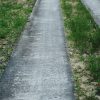
Weed barrier fabric
A quality landscape fabric helps stop weeds from pushing into your turf. The fabric should:
- Block sunlight from weed seeds
- Still let water flow through
- Resist tearing while you install base materials
Skipping weed barrier in our climate can mean more growth from deep-rooted plants that survive on very little water. That leads to extra maintenance and patching later.
Drainage mats and specialty layers
In areas that get more water, like near downspouts, pool edges, or the low end of a yard, it can help to add:
- Perforated drainage mats under the turf
- Extra gravel layers that move water sideways
- A gentle slope away from the house and garden beds
These choices move water off the turf faster and keep it from collecting near walls or foundations.
Pet and high-traffic considerations
For dogs, kids, and entertaining, a stronger, thicker base is usually smart. Think about:
- Extra depth of decomposed granite or base rock
- Fast-draining materials for frequent rinsing in pet zones
- Antimicrobial or pet-friendly infills that help with odor control
This way, the turf stays cleaner, smells better, and stands up to running and playing.
Planning Around Existing Garden Beds and Plants
Most yards do not start as a blank slate. You may have garden beds, shrubs, or trees you want to keep and work around.
Edging between turf and garden
Clean transitions make the whole yard look finished. Solid edging helps:
- Keep the base material from spilling into mulch or soil
- Protect turf edges from lifting
- Create a neat line between green turf and planted areas
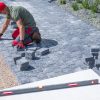
Popular edging choices include pavers, stone, or flexible bender board.
Root systems and existing trees
Tree roots need air and space. Packing a thick layer of tight base all the way up to the trunk can stress the tree. Often it is better to:
- Stop the turf a bit away from the trunk
- Switch to mulch or decorative gravel around the root zone
- Keep the grade from rising too high over existing roots
Matching ground cover to garden style
Artificial turf works well with water-wise planting and simple, clean designs. You can mix:
- Turf for main play or seating areas
- Mulch around shrubs and perennials
- Decorative rock or gravel for dry creek beds and borders
- Pavers to form paths or small patios
This mix keeps the yard low-water and low-maintenance, but still soft and welcoming.
Step-by-Step Prep Before You Order Materials
Before you choose ground cover and base materials, a little planning saves a lot of effort.
Site assessment
Walk your space and notice:
- Where water flows and where it sits
- Which areas get full sun most of the day
- Any slopes or low spots
- Tree roots, existing beds, and hardscape edges
This helps you decide base depth, drainage layers, and where to use turf versus mulch or rock.
Calculating quantities
To estimate how much base material you will need:
- Measure the length and width of each turf area
- Multiply to get square footage
- Decide on base depth based on use and soil conditions
- Convert depth and square footage into material volume
Having these numbers ready makes it easier to order the right amount with less waste.
Tools and timing
Most turf base projects use:
- A plate compactor or hand tamper
- Shovels and rakes
- Landscape fabric and pins
- Edging materials and spikes
Many people like to tackle turf work in late spring, when days are longer but before the hottest stretch. That way, the base can be shaped, compacted, and settled before heavier summer use.
Get Started With Your Project Today
If you are ready to refresh your outdoor space, we can design and install high-quality artificial turf in Los Angeles tailored to your property. At Mr. Pavers, we focus on durable, low-maintenance solutions that look great year-round. Reach out so we can discuss your goals, answer your questions, and provide a detailed estimate. You can also contact us to schedule a convenient time for a consultation.