Inside Gravel Garden Pathways for Sloped Los Angeles Yards
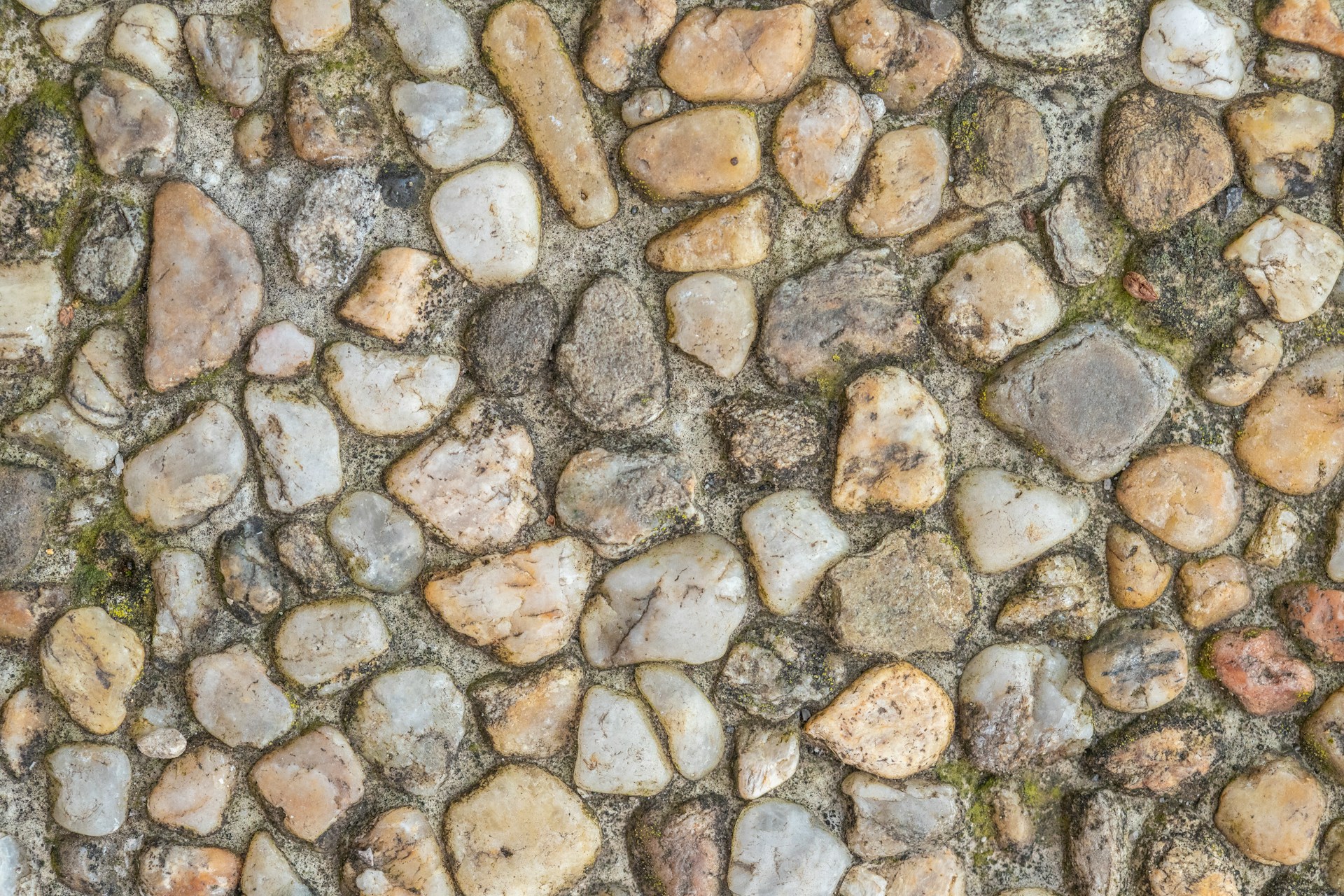
Transform Steep Slopes Into Relaxing Gravel Garden Paths
Sloped yards around Los Angeles can be tricky. The ground sheds water fast, access feels awkward, and bare dirt turns to dust in spring, then mud when the first real rain shows up. Gravel garden pathways give those areas a clear purpose and make the hill feel like part of your outdoor living space instead of a problem you avoid.
A well-planned path does more than connect point A to point B. It:
- Creates a safe, defined walking route
- Cuts down on loose dirt, dust, and tracking soil into the house
- Turns unused hillsides into quiet garden rooms and view spots
In this guide, we will walk through how gravel garden pathways work on slopes in our area, how to plan a safe route, what materials hold up best, and key tips for drainage and installation that fit Los Angeles yards. We will also touch on how to bring it all together with the right supplies when you are ready.
Why Gravel Garden Pathways Work on Los Angeles Slopes
Many Los Angeles homes sit on hills with compacted or clay-heavy soil. Water tends to slide across the surface instead of soaking in. When that happens on a bare slope, you see ruts, exposed roots, and damaged planting beds below. A gravel garden pathway adds texture and layers that help slow water and give it more chances to soak in before it rushes downhill.
Gravel also fits our long dry season. As we move from late spring into summer, hard surfaces can crack or heave. Gravel does not behave that way. It can shift a bit, settle, and still look good under strong sun and regular use.
Gravel paths work nicely with drought-tolerant and Mediterranean-style plantings that are common in our area. The loose, natural surface pairs well with:
- Native shrubs and perennials
- Succulents and cacti
- Ornamental grasses
- Olive, citrus, and other climate friendly trees
From a style point of view, gravel can feel casual or modern depending on the color and edging you pick. It often makes more sense than poured concrete or mortared stone for long or winding paths that climb or cross a slope.
Planning a Safe and Comfortable Slope-Friendly Path
Before thinking about rock colors, spend time choosing the route. On a hill, a straight, steep run is hard on the legs and not very safe. A gentle switchback path is easier to walk and looks more natural. Try to follow features that already exist, such as trees, big rocks, or planting beds, and use them as small landings or pauses in the layout.
For comfort and daily use, keep these basics in mind:
- Aim for a path wide enough for two feet to stand side by side with some wiggle room
- Keep slopes gentle where people will walk often
- Add level spots at turns or where the hill is longest
On steeper sections, it helps to break the grade into short parts. This is where steps come in. Simple steps that work with gravel might include:
- Concrete or stone pavers set as treads with compacted base under and behind
- Large step stones that bridge from one small terrace to the next
- Timber risers paired with compacted gravel infill
These step areas make the path feel safer and give people a place to pause and enjoy the view.
Choosing the Right Gravel and Base Materials
Not all gravel behaves the same on a slope. For hillsides, the goal is to keep the surface from sliding downhill or scattering with every step. Rounded rock, like traditional pea gravel, tends to roll underfoot. Angular, compactable materials grip each other and stay put better.
Common choices you might consider include:
- Decomposed granite for a firm, almost sandy look that compacts tightly
- Crushed stone with sharp edges that lock together on slopes
- Blends that include fines for extra binding
Under the top layer, a strong base is key. A typical cross-section for a hillside path includes:
- Compacted subgrade soil shaped to the rough path
- A layer of compacted road base or Class II base for strength and drainage
- A top layer of decorative gravel raked to an even depth
Each layer adds stability and helps move water through instead of letting it sit on the surface. When you choose the look, think about your home style and planting plan. Warm beige and tan gravel looks good with native plants, succulents, and Mediterranean gardens. Cooler gray and charcoal tones pair well with clean, modern architecture. At Mr. Pavers, we carry different gravel sizes and colors that work nicely on slopes, so you can match both style and function.
Drainage, Erosion Control, and Edge Details That Last
Water always wins if it is not planned for, especially on a hill. A well-built gravel garden pathway should guide water, not fight it. Slightly crowning the center of the path lets water move to the sides instead of running straight down the middle. In some yards, shallow swales beside the path or simple French drains under tricky spots help route water away from structures and delicate beds before the winter rain season.
Edges do a lot of work on a slope. Without edging, gravel slowly creeps downhill or spreads into nearby planting areas. Good edging options include:
- Concrete pavers set on edge
- Natural stone borders
- Metal edging staked securely
- Timber edging where it fits the style
Strong edges hold the path in place and cut down on long-term raking and refilling.
To finish the look and protect the soil, plant the sides of the path with drought-tolerant, deep-rooted plants. These help anchor the hillside and soften the rock. Great choices for Los Angeles slopes often include:
- California native shrubs and groundcovers
- Clumping ornamental grasses
- Low water succulents tucked into pockets of soil
- Flowering perennials that can handle full sun
The mix of solid edging, stable gravel, and living plant roots makes the whole hillside more stable and more inviting.
Step-by-Step Installation Tips for Hillside Gravel Paths
Even if you plan to have a pro do the work, it helps to understand the process. The first step is preparing the slope. Mark the path line with paint or a garden hose, then clear out weeds and loose debris. Any soft or spongy areas should be dug out and firmed up so the path does not sink later. On steeper parts, a bit of benching, cutting a shallow shelf into the hill, creates a more secure base.
From there, the basic build usually follows this order:
- Install edge restraints or forms in the right position and height
- Shape and compact the subgrade soil
- Add base material in thin layers, compacting each one firmly
- Spread the top layer of gravel, then rake it to a smooth, even surface
Before calling it done, walk the path several times. Notice if your feet feel stable, if any loose spots shift too much, or if the route feels awkward. Small changes in thickness or slope at this stage can make a big difference in comfort.
Late spring is a smart time to finish a gravel garden pathway. Days are long, outdoor use is about to pick up, and you can get everything settled in before peak summer gatherings. Once the path is in, a little light raking from time to time is usually all it needs to stay ready for use.
Bring Your Hillside Pathway Design to Life with Mr. Pavers
A sloped yard does not have to feel off limits. With a clear plan, the right route, and sturdy gravel and base materials, that hillside can become one of the best parts of your property. At Mr. Pavers in the Los Angeles area, we focus on helping both contractors and DIY homeowners choose pro-grade pavers, gravel, stone, turf, and related products that make projects like this more straightforward.
When you are ready to turn your idea into a real path, it helps to sketch the slope, note any tight spots or views you want to frame, and think through where steps or landings might go. From there, matching the right gravel type, base material, edging, and any pavers for steps or small terraces brings it all together into a safe, comfortable, and attractive gravel garden pathway that works with our local climate and hills.
Get Started With Your Project Today
Transform your outdoor space with durable, low-maintenance gravel garden pathways designed to suit your home and style. At Mr. Pavers, we help you choose the right materials, layout, and finishes so your pathway looks great and performs well year-round. If you are ready to discuss ideas, timing, and budget, contact us and we will walk you through the next steps.