Fixing Loose Bricks In Pavers
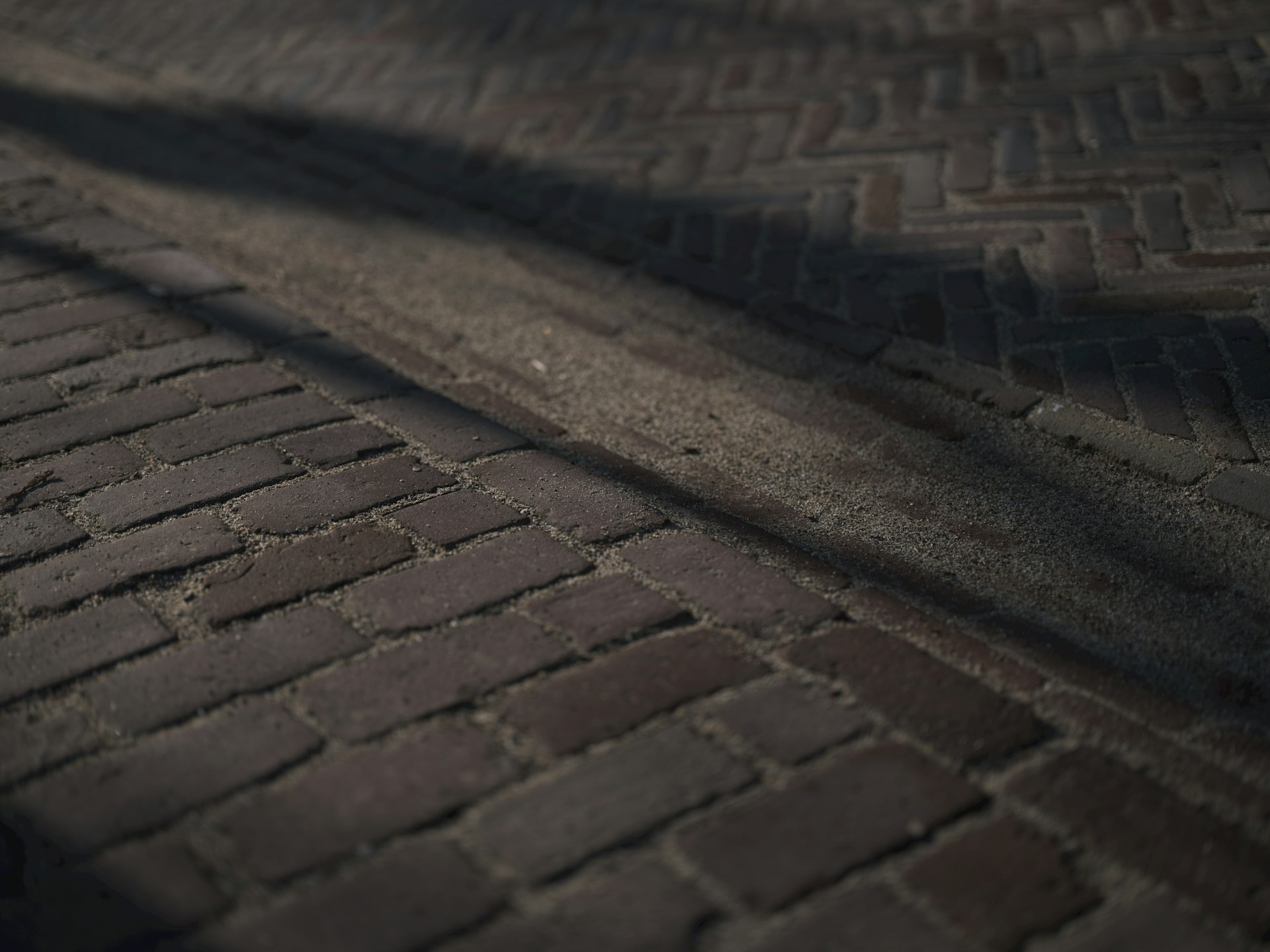
Paved areas like patios, walkways, or driveways get a lot of use, and over time, some issues are bound to pop up. One of the more common ones is loose bricks. It might seem like a small thing at first, but ignoring it too long can lead to bigger problems like tripping hazards or chunks of your design falling out of place. Keeping these zones safe and looking good doesn’t take much effort if you catch things early.
When bricks come loose, it’s usually a sign that something shifted underneath or the filler between them has worn down. Taking a few simple steps to fix those loose bricks can make a big difference in the way your yard or space feels and functions. That’s what we’re focusing on here—how to spot loose bricks and secure them before they turn into a larger headache.
Identifying Loose Bricks
Before repairing anything, you need to know which sections actually need attention. A quick visual inspection is the easiest place to start. Walk around your paved area and scan for bricks that look sunken, crooked, or out of line with the others. Something as small as a slight tilt could mean the brick is loose underneath.
Here are a few other signs to watch for:
– Wobbling under pressure: Step on a brick lightly and see if it shifts or rocks. That’s a clear indicator it’s no longer steady.
– Uneven surface: A flat paver area should feel smooth underfoot. If it looks bumpy or dips in spots, it may mean loose bricks or problems with the base layer.
– Cracks along joints: Gaps or cracked filler between bricks sometimes suggest that parts of the area have shifted.
– Audible movement: A clicking or grinding sound when you step down can mean loose material up top or underneath.
Once you’ve found problem areas, it’s worth marking them with chalk or a small flag. That way, you won’t miss anything during the repair process.
Gathering the Necessary Tools and Materials
Fixing loose pavers doesn’t require anything too fancy, but having the right tools on hand saves serious time and hassle. Before getting started, gather everything in one place so you’re not chasing down a trowel or forgetting sand midway through.
Here’s a basic checklist to work through:
– Flathead screwdriver or chisel: Needed for prying up loose bricks without damaging the edges.
– Rubber mallet or small hammer: Useful when repositioning bricks back into place gently.
– Stiff-bristle brush: Helps clear out debris or old filler from joints and the brick bed.
– Bucket and sponge: For cleanup after setting everything back in place.
– Jointing sand or mortar mix: Helps secure the bricks once they’re aligned again. Sand works better for dry-laid pavers. Mortar fits with wet-set situations.
– Extra bricks (if needed): Sometimes, a brick is cracked or damaged. If so, it’s best to replace it entirely.
Setting these up ahead of time makes everything flow smoothly and cuts down on time spent getting up and down to find missing tools.
Step-by-Step Process to Fix Loose Bricks
Fixing a loose paver takes a few simple moves. What matters most is doing it slowly and carefully to keep your layout looking neat.
1. Remove the loose bricks
Start by using a flathead screwdriver or chisel to gently lift the loose brick. If any brick is cracked or broken, take it out completely. Avoid forcing it because that could break the surrounding units.
2. Clean the brick and the gap
Brush out debris, old sand, or mortar from the gap where the brick sat. Make sure the base is free from leaves, stones, or extra dirt. The cleaner the surface, the better the new material will settle.
3. Add base sand or fresh mortar
If your project used sand originally, pour and level a new layer using a trowel or your hand. If it was mortared, mix fresh material and apply evenly to the space.
4. Reset the brick
Gently place the brick back in, checking that it lines up with the height and direction of the surrounding ones. Tap it down lightly with a rubber mallet so it’s firm but not uneven.
5. Fill the joints
Use jointing sand to fill the space around the brick and sweep it into place. For mortared joints, press a small amount of mortar into the seams and wipe clean with a slightly damp sponge.
Let everything settle and dry if you’ve used mortar. Give it a day or two before using that area again, especially if it’s a main walkway. Once firm, the row or section should feel like the rest of your paved area—solid and level.
Preventing Future Issues with Brick Units
Preventing loose bricks in the future involves a bit of regular maintenance. It’s like checking on your car now and then to make sure everything’s running smoothly. First, keep your paver surfaces clean. Regularly sweeping away debris and leaves helps maintain the integrity of the spaces between bricks. Everything from plant roots to accumulated dirt can create pressure that shifts the foundation.
You should also check for signs of trouble beneath the surface. Every so often, walk along your paved areas and look for new uneven spots or areas where water tends to pool after it rains. These may indicate that the base is compromised, signaling the need for some reinforcement. It’s often easier to fix small issues early than to wait until they become a bigger hassle.
Sealing your pavers can offer another layer of protection. When applied correctly, a sealer helps reduce the movement of bricks by holding them together more securely. It also helps shield the bricks from harsh weather, which can cause them to weaken over time. While sealing isn’t a must, it can definitely help extend the life of your paved areas.
Keeping Your Pavers Looking Great All Year Round
With proper care, your pavers can look fantastic through every season. Besides regular cleaning and inspections, a few routine practices can keep your outdoor spaces fresh and inviting. Consider creating a rotation for inspecting your paved areas so you don’t overlook them during busy times.
Here are a few tips to keep your pavers in peak condition:
– Trim plants and bushes: Overgrown greenery can reach under and over your pavers, so cutting them back helps prevent such issues.
– Reapply sand periodically: Sweep fresh sand into the joints to keep them tight and prevent movement.
– Avoid heavy loads: Try to steer clear of parking heavy vehicles on brick areas not designed for that purpose. It reduces unnecessary pressure and wear.
Enjoying a safe and attractive outdoor space doesn’t require too much effort. With these regular practices, you’ll find that maintaining your pavers becomes second nature and actually saves time and money in the long run. Your patio and walkways will continue to be the backdrop for all your outdoor fun and relaxation, looking as good as they did the day they were laid down.
Quick Fixes For Paver Bricks That Won’t Stay Down
Transform your outdoor spaces and ensure their longevity with our expert touch. Whether you’re addressing loose bricks or enhancing your patio aesthetics, focus on using quality materials like our premium brick.
With Mr. Pavers, you’re not just investing in durability and safety; you’re creating an inviting environment for year-round enjoyment. Let us help you keep your paved areas both beautiful and secure with our exceptional products and guidance.