Understanding the Role of Concrete Block Sealants in Rainy Months
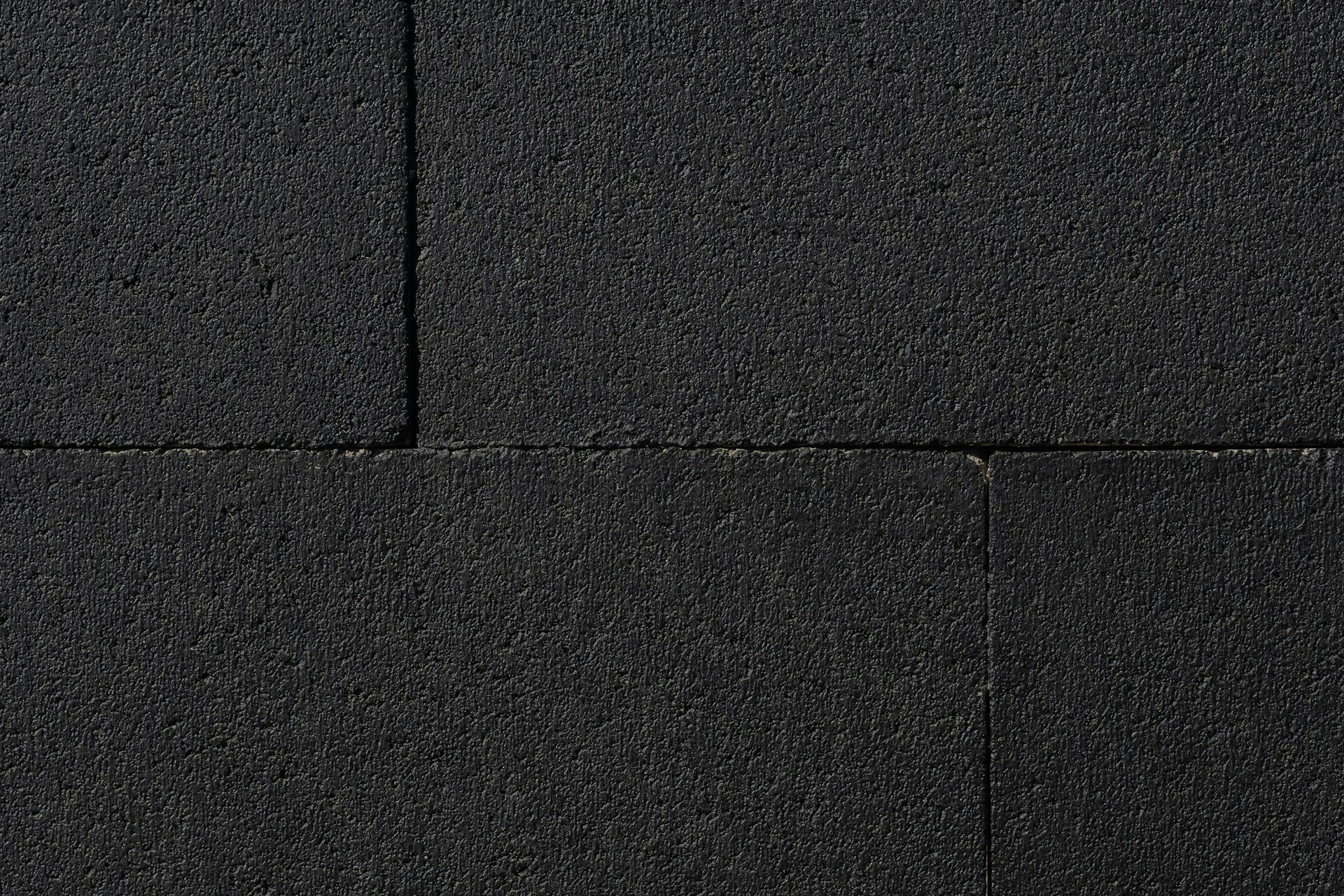
Wet weather often brings out the hidden problems in outdoor concrete surfaces. As rain collects and temperatures drop, areas like patios, walkways, and garden edges can start to show signs of wear. In places like Southern California, where January skies stay grey and garden beds stay soggy, it’s common to see concrete blocks shift, discolor, or crack.
This is where concrete block sealants come into play. They work like a shield, helping reduce how much water sinks into the material. And while sealants may not seem necessary when everything looks fine, applying them before long stretches of rain could save time and trouble as the season wears on. For more than 30 years, Mr. Pavers has helped homeowners and contractors across Southern California choose materials that hold up through these wet stretches.
Why Moisture Matters in the Winter Season
Concrete is a porous material, which means it soaks up water over time. When those blocks stay wet from steady rain, like what we typically see in January and February, they start to weaken. Saturated concrete doesn’t dry evenly, and trapped water can cause swelling or tiny cracks that grow worse with colder temperatures and repeat exposure.
If left unprotected, the effects can show up in different ways:
• Hairline cracks that expand at the corners or along seams
• Shifting or tilting blocks in garden walls or edging setups
• Surface fading or spots that stay darker longer than usual
In heavily planted areas or yards with slow drainage, water can pool around concrete bases. Over weeks of rain, this constant contact leads to soft edges, crumbly spots, or even block separation that takes more effort to repair once spring rolls around.
What Concrete Block Sealants Actually Do
Sealants form a water-resistant barrier over the concrete’s surface. Instead of water soaking in, it rolls off or evaporates more quickly. This makes a big difference in how well the block holds its shape and color through the season.
There are different looks and finishes depending on the type of product used. Some leave a slight sheen, while others stay matte and are less noticeable. For areas like garden walls or walkways, most people prefer breathable sealants that allow moisture to escape without trapping it underneath. These are best for outdoor spots where materials need to flex slightly through different temperature swings.
When sealants aren’t used or have worn off, moisture creeps in unnoticed. Over time, the surface may go dull, feel sticky, or develop tiny holes. Rain, dirt, and plant matter work their way inside, causing deeper issues that often return in the same spots year after year.
When and Where Sealant Application Matters Most
Some outdoor areas hold moisture longer than others. Even in dry climates, shaded corners or lower points tend to stay damp well after a storm has passed. Concrete in those spots breaks down quicker, especially if the ground underneath doesn’t drain well.
That’s why late winter is a smart time to walk through the yard and check on any blockwork. In places like Jurupa Valley, California, weather patterns often bring frequent light rain in early January without the harsher cold seen in other regions. That makes it safer to inspect and test where water gathers or flows during rain.
Here are a few areas to keep an eye on:
• Garden walls near downspouts or gutter edges
• Steps or walkways that sit below lawn grade
• Driveways or pads surrounded by thick planting beds
It’s best to avoid applying sealants during active rain or just after long wet periods. The surface should be fully dry before sealing so the product can stick properly.
Signs Your Concrete Blocks Might Need Resealing
It’s not always easy to tell when sealant has worn off. But small changes in a block’s look or feel can be a sign it’s time for a new coat.
Here are a few things to watch for:
• Surfaces that seem dull or patchy in color
• Water that soaks in quickly instead of beading up
• Edges that feel soft, chalky, or gritty
• Algae or moss growing in older sealant coats
Sealed blocks tend to look smoother and feel more solid to the touch. If water pools or forms dark rings after a storm, that’s a clue the surface is no longer doing its job. Another factor is watering habits. Irrigation systems or regular hand watering can wear away sealant faster, especially in warm spots or near planters.
Lasting Benefits of Protecting Your Outdoor Setup
Treating your concrete blocks with sealant before the wet season gets fully underway helps avoid extra repairs in spring. It cuts down on cracks, discoloration, and movement that often appear after several weeks of soaking rain.
Sealed concrete stays in place better, sheds water faster, and holds up to foot traffic or garden upkeep. Surfaces look more even and tend to need less cleaning or sanding once the weather shifts back to dry. At our Jurupa Valley yard, we stock concrete blocks, pavers, gravel, sand, cement, stone, bricks, and related supplies for outdoor hardscape projects, so it is easier to pair sealants with the right base materials and surrounding surfaces. By adding this layer of protection at the right time, we’re putting ourselves in a better spot to keep things functioning and looking right through the rest of the year.
Now is a smart time to check your outdoor surfaces for signs of wear before spring arrives. At Mr. Pavers, we know small cracks or fading can turn into bigger problems when water seeps into unsealed areas. Applying or refreshing concrete block sealants helps protect your hardscape and keeps it looking its best. Take this simple step to reduce the need for repairs and make maintenance easier. Call us today to discuss your next steps.