How Deck Concrete Blocks Handle Wet Ground in Late Winter
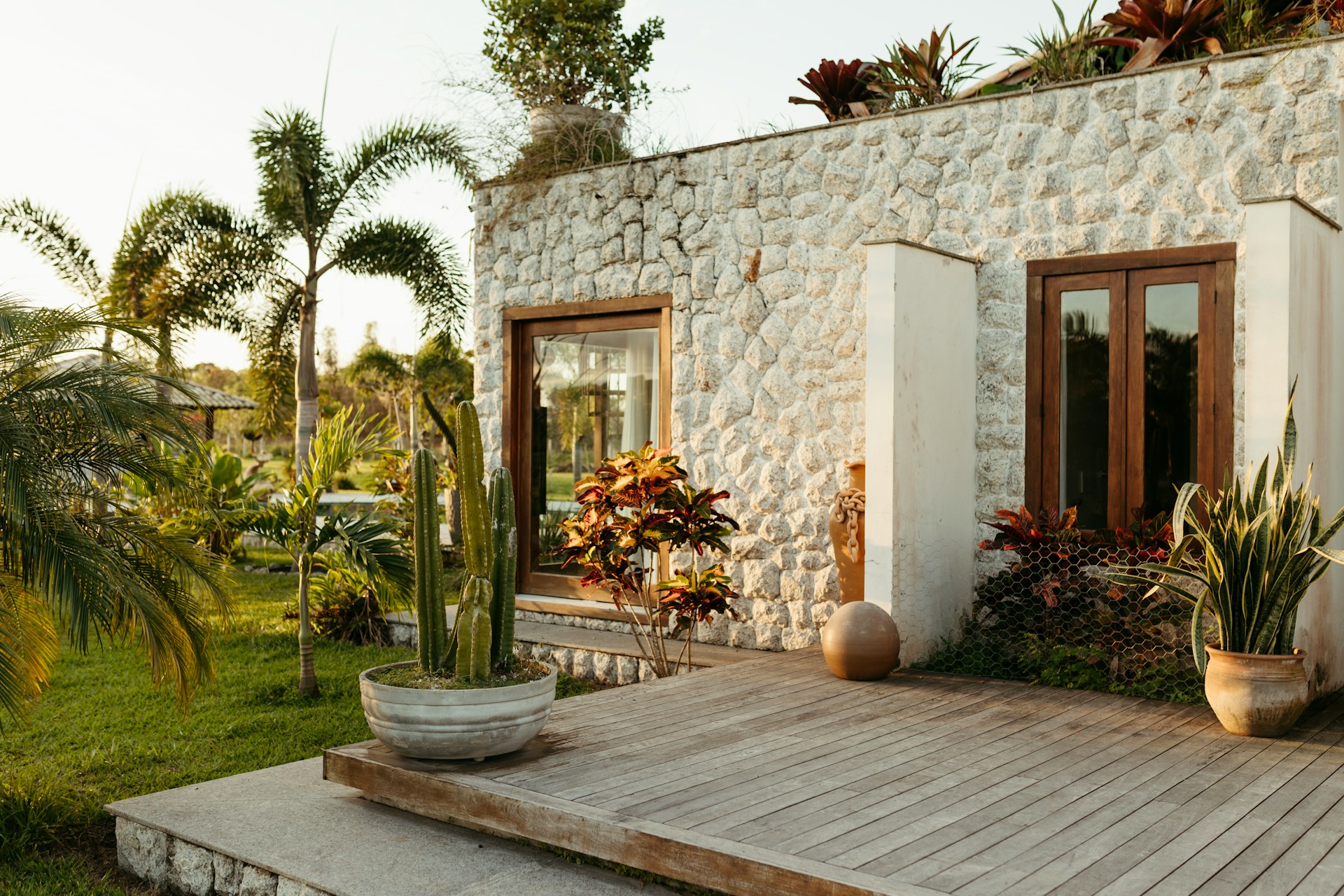
Late winter is when the ground is at its most unpredictable. Around this time, heavy rain often soaks the soil. It stays wet much longer than it does earlier in the season, and that extra saturation can cause small changes with big effects. Soft soil doesn’t hold weight the same way dry ground does, and anything sitting on top needs to be able to adjust or stand firm without shifting.
That’s where the design and placement of deck concrete blocks come into play. These blocks are used to support elevated features like backyard decks and garden platforms. While they offer steady support during dry months, late winter is when problems can show up. Uneven ground, pooled water, and shifting bases can all impact whether these blocks continue doing their job correctly. Knowing how they interact with wet soil helps catch problems before the next season begins. At Mr. Pavers in Jurupa Valley, California, we stock concrete blocks, gravel, sand, stone, bricks, and steel, giving you the core materials needed to build and support these outdoor structures through changing seasons.
Understanding Late Winter Soil Conditions
During late winter, the ground responds very differently depending on recent weather patterns. After days or weeks of rain, the soil may begin to hold more water than it can drain. When that happens, the ground beneath any structure starts to soften. It becomes unstable, holding less weight than it could during drier conditions.
This is especially common in areas with clay-heavy soil or poor drainage. If water builds up without a place to flow away, it tends to collect around footing points. Even a small deck built with concrete blocks can fall out of level when the ground beneath begins to shift or sink. Across Southern California, we regularly see how these conditions affect decks, walkways, and other raised projects that rely on solid support.
Here’s what commonly happens during this time:
• Soil becomes saturated and can no longer hold its shape under weight.
• Water gathers in sunken spots, creating puddles near block bases.
• Pressure points increase, forcing certain blocks to tilt or sink unevenly.
These hidden shifts can go unnoticed at first but often grow worse as winter continues, especially in shaded areas that stay wet longer.
How Deck Concrete Blocks Are Designed to Respond
A standard deck concrete block is made to distribute weight across more surface area than a simple post or stake. That wide base is one reason it does better than other materials during damp months. When soil softens, spreading the load evenly helps reduce the risk of sinking or tilting.
These blocks come in different shapes, but most are thick and squat, with channels on top to hold lumber in place. Their bulk helps them stay put even as ground conditions change, and the heavier mass of solid concrete adds stability that hollow blocks may not provide.
Here’s why the design works well when placed correctly:
• A wide base lowers ground pressure, which helps in soft soils.
• Solid concrete blocks hold firm through minor shifts in moisture.
• The channels keep deck framing centered, limiting side shifts.
Still, even a well-designed block can’t make up for poor placement or major weather changes. That’s where regular checks come in handy.
Common Problems from Improper Placement on Wet Ground
If deck blocks are set too close to areas where water collects or soil stays damp, they may start to move. Signs are easy to miss at first, but they often include tilted framing, uneven spacing, or movement in the deck when stepped on.
There’s another issue, too. Even in places where it doesn’t freeze often, overnight cold can still create a freeze-thaw effect. Water trapped under or beside a block might freeze on a chilly night, then melt in the sun. That small change can loosen the soil enough to throw off the entire foundation.
Here’s what we often notice after wet ground affects a setup:
• Blocks tilt or lean away from their original position.
• Framing connected to the top groove shifts or lifts.
• Pooled water at the base shows poor runoff planning.
Cleaning up any water buildup and re-leveling blocks during late winter can help prevent a bigger project in early spring.
Smarter Preparations Before Spring Arrives
Late winter is a good time to check how your deck is holding up. Before spring rains add more moisture, it’s helpful to take a walk around the setup and look for small changes. The earlier blocks are reset, the easier it is to avoid replacing them later.
Start by checking the areas where the sun rarely hits. In shaded spots, water takes longer to dry, and soil stays soft for days. Any movement in the block could mean the ground settled after a storm.
Here’s a short checklist for this time of year:
• Inspect for blocks that have moved, leaning, or sunk.
• Check that wood still sits flush inside the block channels.
• Look for moss or water stains that show persistent dampness.
• Clear away standing water to give the ground a chance to recover.
Taking time now to correct small issues can avoid the need for bigger fixes once higher temperatures and spring weather arrive.
Reliable Setups Lead to Fewer Repairs Later
Late winter rain can put hidden stress on outdoor features like decks. When the ground stays wet, even sturdy materials like deck concrete blocks need attention. They may not break or crack, but their support depends entirely on how well the soil holds them in place.
Checking for small shifts or water buildup gives us the chance to fix problems before they become much harder to correct. A strong, steady deck starts with a setup that can stand through soaked ground and daily changes in temperature. Getting your footing right now makes the next season easier to face. Whether you are a contractor or a DIY homeowner, you can pick up deck blocks and related materials in bulk or smaller quantities, so your project has exactly what it needs to stay stable.
Wet soil can make outdoor projects less predictable, but paying attention now saves trouble later. Materials that support weight, like a deck concrete block, need the right setup to last through seasonal shifts. We’re here to help you spot early signs of shifting or water issues before they turn into costly fixes. At Mr. Pavers, we understand how materials behave under real backyard conditions. Give us a call if you’re noticing changes around your setup.