Why Wall Brick Decoration Affects Winter Insulation
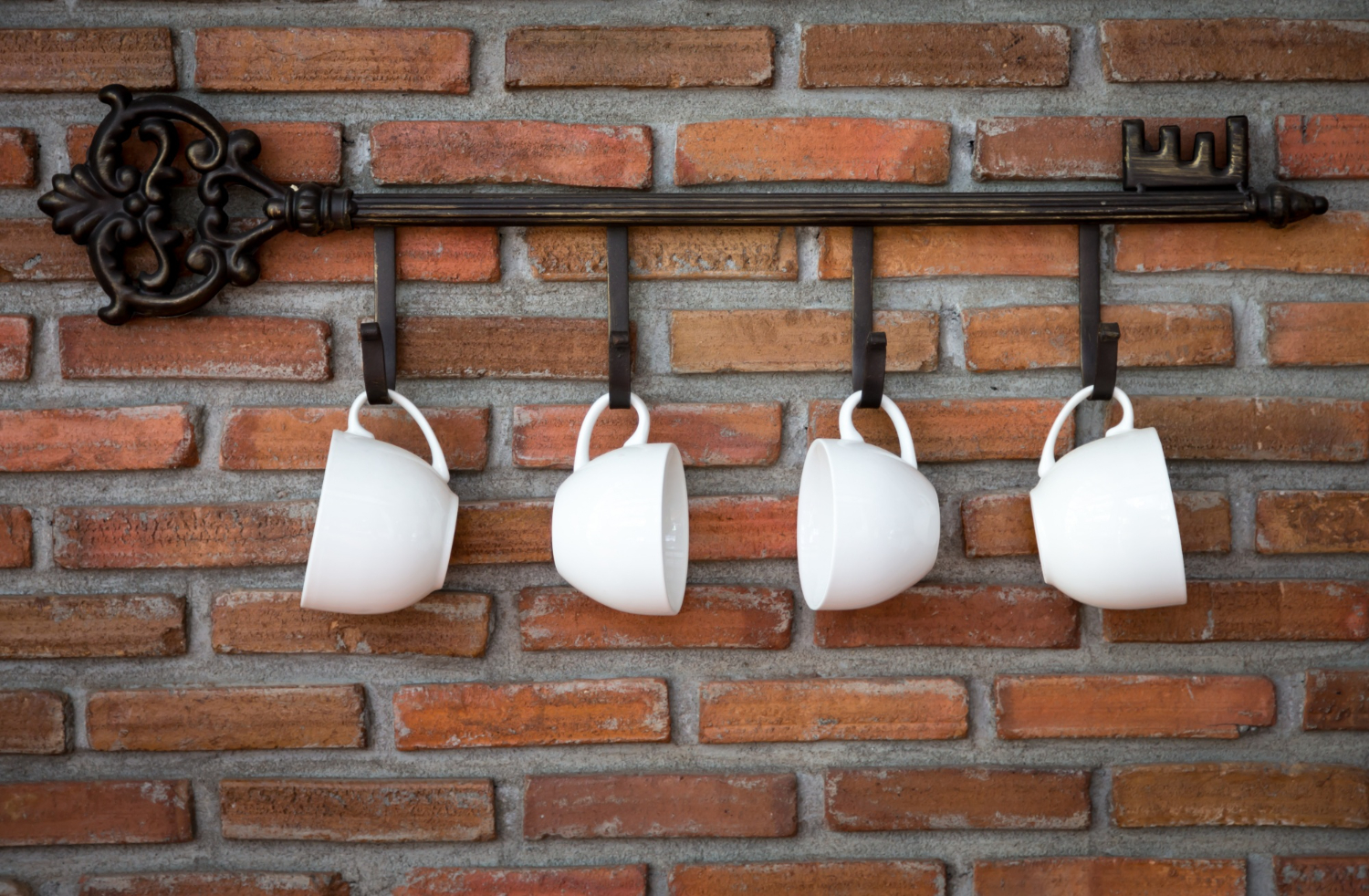
Wall brick decoration might seem like nothing more than a design choice at first. The shapes, colors, and textures we pick often tie everything together and give a space a polished look. But these visual details can impact more than the way a home looks from the outside. During winter, they can change how warm or drafty indoor spaces feel.
The way bricks are arranged or layered, how they’re sealed, and even their color all influence how well a structure holds on to warmth. As late January brings lingering cold, especially in places with mild but damp winters, the right design can make those chilly mornings feel just a little less harsh. Good decoration decisions can raise comfort, while poor ones might bring more cold air into your walls than you expect. At Mr. Pavers in Jurupa Valley, California, we have spent more than 30 years helping homeowners and contractors choose brick, block, and stone combinations that stand up to local winter conditions.
How Bricks React to Cold Weather
Bricks are heavy and dense, which means they’re pretty good at soaking in and holding heat. That is helpful on clear winter days when the sun is out. But when the temperature drops and bricks are not protected with proper sealing layers or insulation behind them, things can change fast.
Without enough buffering, brick walls can pull warmth right back out from inside. Air inside the home presses gently against these cold surfaces. If those bricks are bare or porous, heat from the inside leaks right out.
Design choices like how deeply bricks are set or whether there is air space behind them come into play too. If decorations use projections or uneven stacking, they might end up catching rainwater or letting warmth slip through faster than a flat wall would.
The Role of Gaps, Seals, and Surface Texture
When we dress up a wall with decorative brickwork, we often introduce texture and variation on purpose. While eye-catching, these patterns sometimes leave tiny gaps or pull at the seams in ways that are not obvious. But winter has a way of making these faults show. Wind finds pathways fast, and even small bumps or cracks in mortar can cause cool air to seep in.
The durability of the mortar itself is one part of it, but how it is applied around those decorative elements matters too. Thin joints or uneven sealing along edges can let in more cold than expected.
Textured finishes, like rough-face or split brick, feel more natural, but they may grab onto frost or trap moisture, especially during morning freeze, thaw cycles. These added demands can make a wall age quicker when not balanced with good sealing choices.
Color and Finish: More Than Just a Design Choice
Before winter peaks, the tone of brickwork starts playing a role too. Darker bricks hold more daytime warmth than lighter ones. If your space gets sun during the afternoon, a wall filled with deep red or brown bricks may stay warmer longer compared to pale beige or gray. That extra warmth means less strain on your heating system later in the evening.
Surface finish has impact here as well. Smoother brick tends to shed water easier and resists accumulation of frost or condensation. Rougher textures can absorb more cold and might need more protection against wind or wet. When dark color is combined with smooth finish, the result often performs slightly better in cold weather with less heat loss through the surface.
Long-Term Effects on Energy Use and Comfort
Choosing brick details for looks without thinking about how they handle weather might cost more in the long run. Poor fits and finishes can drive up your heating use in winter, especially during cold snaps or when walls are slow to dry.
Here are some effects we see over time when wall brick decoration is not supported by good planning:
• Cold spots along inner walls, especially where designs get overly deep or layered
• Moisture building up behind bricks with gaps in the mortar
• Drafty corners where decorated walls meet doors or windows
• Extra energy use from heat escaping through unprotected joints
The construction behind the brick makes a difference too. Proper barriers, layers of insulation, and tight framing add support where decoration alone will not help. If those parts fall short, it will not matter how carefully the bricks are stacked out front.
When Decorative Add-Ons Create Heat Loss
Some brick designs include more than patterns. Lighting fixtures, planters, wreath hooks, and holiday displays dig into the wall. These added features can weaken surrounding mortar over time or cause bricks to shift slightly. When things start pulling away from their set pattern, the gaps that form invite in wind and cold.
In winter weather, these changes do not always demand immediate attention, but they add up. A loosened hook or a planter that rests unevenly can turn into a weak point. That is why it is useful to check brick surfaces for things like:
• Cracked mortar behind mounted items
• Seals that no longer sit flush
• Chipping or loose edges around holes or screws
• Water stains or streaks where drained moisture entered the wall
Season after season, these signs grow, both outside and in how your home feels from the inside out.
Why Smart Brick Design Pays Off in Cold Weather
When we plan a wall brick decoration setup with cold weather in mind, we are not just thinking about texture or charm. We are protecting spaces from unnecessary heat loss, catching small flaws before they grow, and building toward better comfort as winters bring their usual chills.
The shape, color, and sealing choices we make all add up across years. Good decoration balances what looks right with what works right. That combined effort helps keep the air inside more stable and avoids cold zones or damp corners that ruin an otherwise well-built space. At our Jurupa Valley yard, bricks, concrete blocks, stone, gravel, and related wall materials are available in both bulk and smaller quantities, which makes it easier to align decorative designs with the right structural and insulation support.
At the end of winter, it is easier to enjoy our homes when the surfaces around them worked quietly to keep things steady. A brick wall might seem simple, but when we decorate it well, we are giving warmth a better reason to stay.
Smart planning makes all the difference when preparing your winter spaces, and every design detail matters for keeping your home comfortable throughout the season. We are here to guide you through the best choices, from selecting materials to making sure finishes last. To learn more about how our wall brick decoration solutions perform all year, contact Mr. Pavers today.