Why Garden Concrete Blocks Can Sink After Winter Rains
After a long stretch of winter rain, it’s not unusual to walk out into the yard and notice garden concrete blocks have shifted or even sunk. They were steady before, carefully aligned, maybe even installed last summer. But now they look buried on one side or tilted off balance.
This shift can make surfaces uneven and frustrating to deal with, especially if they were part of a walkway or edging. While it may seem like the rain alone is to blame, there are actually a few different factors at play. Some soils are more active after rain. Some backyards hold water longer than others. And sometimes, the way blocks were placed makes them more likely to shift when the ground gets soaked.
Let’s look closer at what actually causes sinking after winter rain and how certain choices make garden concrete blocks more vulnerable than others.
Common Soil Issues That Cause Sinking
Soil plays a big part in how well garden concrete blocks stay in place. When that ground gets saturated from rain, it behaves differently depending on what it’s made of.
Here are a few common reasons blocks might sink into the ground after a rainy season:
• Clay-heavy soil holds a lot of water, which causes it to swell. Once it swells, it becomes spongey and soft, so anything sitting on top is more likely to shift or press down into the mud. When the clay dries again, it shrinks, which adds even more movement.
• Sandy soil drains water more quickly, but that doesn’t always mean blocks won’t move. As water flows out, loose particles shift around, taking away the support beneath each block.
• Poor compaction or layering under the block installation makes the problem worse. If the soil wasn’t firmly packed down or if the layers underneath weren’t solid, added water from winter rain turns into deep puddles beneath the surface. That weak base allows concrete blocks to start settling.
The more water the ground absorbs, the more likely it is to move, and anything sitting on top of it usually follows.
How California Winter Rains Affect Outdoor Hardscapes
Here in California, we don’t worry about snow piling up in the winter. What we get instead is long spells of rain. That can sound easier to deal with, but for concrete blocks and other outdoor features, it creates different problems.
In areas like Jurupa Valley, where rain doesn’t freeze, the ground stays saturated longer. Rainfall isn’t just coming all at once, it can build over several weeks or months. In Jurupa Valley, California, we have spent more than 30 years helping homeowners and contractors choose materials that handle these changing winter conditions.
Here are a few ways winter storms impact outdoor structures:
• Constant moisture raises the chance for erosion, especially in yards with uneven slopes or bad drainage. Over time, that erosion shifts the ground and pulls the support layer out from under blocks.
• Pools of standing water are more likely in flat areas or places with poor run-off. These wet pockets loosen the soil base.
• When the ground under blocks weakens, it throws off the balance and causes tilting, gaps, or a complete sinking on one end.
Even though winter doesn’t feel harsh here, the soil underneath has a lot going on beneath the surface.
Mistakes Made During Block Installation
Winter rain doesn’t always cause sinking on its own. A lot of what we see in our yards comes down to how the blocks were first installed. Without the right prep, concrete blocks don’t stand a chance against months of wet ground.
Here are some common setup mistakes that lead to problems after a rainy season:
• Using no base gravel or skipping the compacted layer entirely. Without a steady sub-base, blocks rest directly on soft ground. That ground holds moisture and becomes unstable fast in winter.
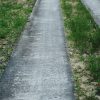
• Leaving out landscape fabric. This fabric does more than block weeds. It keeps the soil from mixing with gravel or drainage layers. Without it, the footing under blocks breaks down over time.
• Laying blocks straight on dirt. While that might seem quick and simple, it almost never holds up. Natural soil shifts too easily, especially when it stays wet for weeks.
Taking shortcuts during installation makes garden concrete blocks far more likely to sink later on.
Better Drainage Means Better Block Stability
One of the smartest things you can do to keep your blocks stable year-round is think about water flow. Poor drainage doesn’t just lead to puddles. It weakens the whole area below the surface. Adding the right features helps move water away from block installations and keeps the ground more consistent through every season. At Mr. Pavers, that includes concrete blocks, gravel, sand, cement, stone, bricks, and other materials for landscape and construction projects.
Here are a few drainage adjustments that make a big difference:
• Gravel beds under and around block placements give water a path to move through without affecting the base.
• Swales and shallow channels guide rainwater away from areas with hardscaping.
• Gentle grading of the yard helps redirect runoff away from trouble zones, keeping pressure off walls and walkways.
Without good drainage, even a well-built installation can start to slip. Having things in place to manage rain makes winter much easier on outdoor surfaces.
What Happens If You Don’t Address the Problem
Once concrete blocks start slipping or sinking, the problem won’t stop on its own. Leaving it alone could lead to more than just uneven appearances.
These are a few of the bigger problems that can build up if soft or broken base layers aren’t fixed:
• Walls made from blocks may crack, bow out, or lean.
• Water can collect in low spots around the yard, affecting nearby plants or causing runoff toward the house.
• Rebuilding after damage usually takes more time, energy, and cost than getting ahead of it.
Drainage issues and badly installed blocks may feel like minor annoyances, but if they’re left untouched, they lead to larger repair projects.
Keeping Your Blocks Steady Through Next Winter
Sinking blocks aren’t a surprise when you look at what’s happening underground. Knowing what kind of soil you have, how rain moves across your yard, and how things were installed gives you key insight into what caused the problem.
If garden concrete blocks were set without proper base prep or are resting in areas with poor runoff, they’re much more likely to shift again. Planning with the full picture, water movement, soil type, and simple grading helps keep things steady no matter how much rain winter brings.
With thoughtful materials and solid installation habits, concrete block projects can hold up across seasons instead of sinking with the soil. With thousands of landscaping and construction products in stock at our Jurupa Valley yard, we supply materials for patios, driveways, gardens, and outdoor gathering spaces across Southern California.
Experiencing shifting, uneven blocks after a long winter calls for a closer look at your base and drainage. At Mr. Pavers, we work with the right materials to make sure your projects remain stable year after year. Whether you are starting from scratch or addressing trouble spots, we have everything you need to build a strong foundation. See what fits your yard by checking out our selection of garden concrete blocks and give us a call to discuss your project.