Tips for Handling Concrete Building Block Layouts Around Shrubs
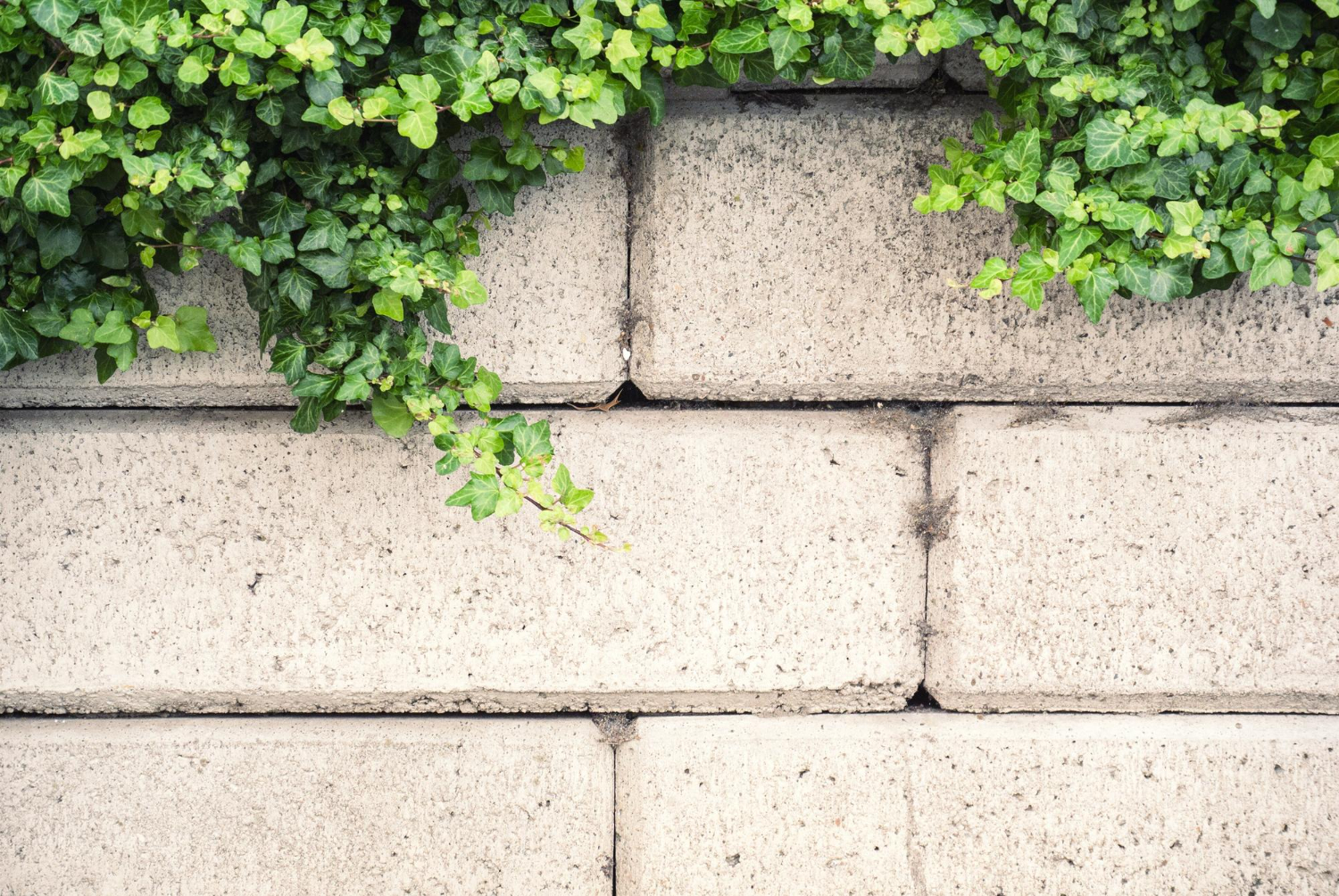
Planning any hardscape project around existing shrubs takes a little extra care. We’ve seen how roots can surprise you, especially right after a wet winter. At our Jurupa Valley, California, yard, we stock concrete blocks, pavers, gravel, sand, and cement that are commonly used to support these kinds of projects around existing plants. Trying to place a concrete building block setup near leaf-heavy plants or small trees? That’s when things get tricky. Roots are alive and slowly shifting underground, and soft soil isn’t always ready to support stable footing.
This time of year, the ground hasn’t fully dried out and spring planting isn’t quite here yet. It’s a narrow window, but a good one for getting layout work done without rushing. Instead of focusing on looks, we’re focusing on practicality. That means smart measuring, shallow work when needed, and keeping plants healthier along the way.
Planning Around Established Shrubs
Before anything touches the shovel, we take time to look at the full area. Shrubs might look small above ground, but their roots usually spread wider than the branches show. Rushing through this step can lead to slow damage later, as roots push against blocks or lose the air they need to breathe.
We start by measuring out a little extra space from the base of each plant. That helps us avoid major root zones and gives us room to work. Blocking too close to the trunk can stunt growth or cause leaning over time. Once we have spacing in mind, we mark layout lines with soft paint or stakes. It’s important to leave room for adjustment if we run into root masses just under the soil surface.
We also think about air and sun. Shrubs need both, and tall block structures placed too close can limit both. To keep things growing strong, we focus on these basics:
• Allow several inches of space between dense plants and any hard surface
• Keep layout curves gentle instead of tight cuts around shrubs
• Try not to completely box in a plant, especially young ones that are still settling in
With the layout marked and checked, we keep our tools handy but move ahead with caution. Planning now prevents a lot of fixing later.
Adjusting Layouts for Root Systems and Wet Ground
Not all yards dry out evenly, and not all shrubs behave the same. Some root systems travel high across the soil, while others drop straight down. If we catch shallow roots, we don’t force blocks on top. Instead, we shift the path or lift the level slightly with fill materials.
Wet zones leftover from winter are another issue. Even if the top looks dry, we test for soft spots by stepping gently or using a stick to probe the ground. Sinking spots tell us the soil needs time or support before handling weight. Compact fills or gravel help reinforce those spaces if construction can’t wait. Because our materials are available in both bulk and smaller quantities, it is easier to shore up small areas or complete larger layouts without overbuying.
Keeping plants and blocks happy in colder months takes some trade-offs. We’ve found this approach lowers problems:
• Avoid pressing blocks on top of exposed or high-set roots
• Spot soft sections that need fill before laying the first stone
• Shift the shape of the layout instead of forcing it over plant zones
Adjusting early saves time when temperatures rise and roots start growing faster.
Block Placement Techniques That Minimize Disruption
Once we’re ready to set the concrete building block layout, we’re careful about depth. Too much digging near shrubs can slice into roots, and deep trenches aren’t always needed. When we can, we use a shallow trench and tamped gravel to carry weight instead of digging full-depth footings.
If the area is uneven, we sometimes layer in crushed material or sand to help level the base. That way we don’t have to disturb the ground more than we need to. In places where blocks meet curves or corners near shrubs, we leave small gaps or design gentle turns rather than hard angles.
Here’s how we reduce disruption while still getting blocks in place:
• Set shallow trails with gravel underpinnings instead of going deep
• Fill dips with stone, not more digging, to reduce root damage
• Keep space between blocks and heavy roots or green growth
This small shift in technique keeps the base stronger and the roots safer.
Making Sure the Wall Holds Up Over Time
Late winter can trick us. The topsoil begins drying out, but deeper layers stay loose. We take that into account before finishing any layout. If a block wall starts on weak ground, it leans or shifts before the season is even halfway through.
We check for signs of frost lift, leftover puddling, or soft settling. Loose soil or pooled areas right after winter might mean hidden trouble just under the surface. Instead of rushing past it, we pack or grade gently to get water moving away from the structure.
Here are steady practices we use to help walls hold up:
• Tap on blocks lightly after a few days to check if the ground is still shifting
• Use a level and string to spot slants that start early
• Slope the ground slightly away from walls so water flows out, not in
Starting strong now means less work later, especially once outdoor traffic and watering pick up with spring.
Strong Blocks and Healthy Shrubs Can Work Together
No one wants to choose between long-lasting block setups and healthy plants. When we walk the yard with care and notice the way roots and soil behave, we get ahead of most issues. Careful prep now, even if the weather is still chilly, keeps shrubs growing well while blocks hold firm.
We’ve seen how easy it is for small mistakes to chip away at plant health or wall strength. But this time of year gives us a quiet window to prep everything while the ground is soft and growth is just beginning. By working around what’s already living in the yard, we give both materials and shrubs the space they need to succeed.
Ready to lay out new materials near your existing greenery? Our team at Mr. Pavers can help you navigate the process with durable options designed for mixed planting environments. Whether you’re building borders, short retaining rows, or edging tight corners, selecting the right base materials makes all the difference. With a well-planned approach using a concrete building block, your setup will stay strong from late winter through the hottest months, even around shrubs and soft soil. Connect with us to get expert advice and choose the right supplies for your next outdoor layout.