What to Know About Using Concrete Block Walls Near Flower Beds
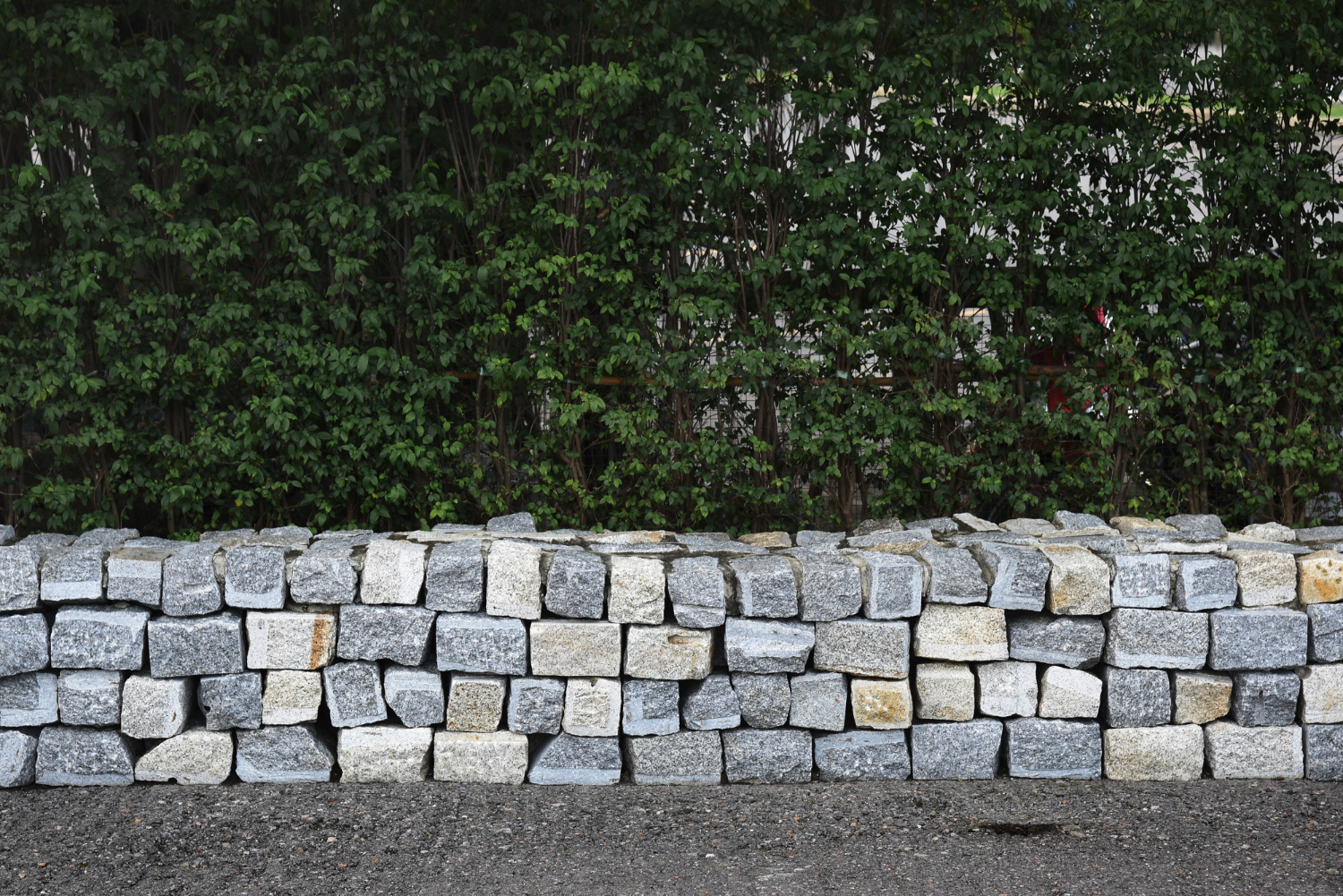
Concrete block walls are a smart way to bring some order and structure to flower beds. They’re sturdy, clean-looking, and work well in many types of garden spaces. Around this time of year, especially in milder regions like Jurupa Valley, California, homeowners start thinking about how to clean up their yards after winter and get ready for spring planting. Concrete block walls can play a big role in that. At our Jurupa Valley, California, yard, Mr. Pavers Garden & Supply has spent more than 30 years helping Southern California homeowners and contractors choose materials for patios, gardens, and other outdoor spaces.
We often hear people ask what they should know before putting a wall next to plants. It’s not just about stacking blocks and walking away. There’s more to it, especially if you want your flowers to grow well. From choosing the right kind of block to placing it where water won’t pool and roots won’t suffer, it’s all worth understanding ahead of time.
Benefits of Adding Walls Near Flower Beds
Setting up a border with blocks can be more than just decoration. These walls often help keep things tidy and easier to manage as the seasons change.
Here’s what a well-built garden wall can do:
• Hold soil in place when it rains or when watering heavily. That means less erosion and no more uneven patches of dirt spilling into path areas.
• Separate flower beds from high-traffic spots. It keeps shoes, lawn tools, and pets out of the planting space.
• Allow you to raise beds above ground level. This can make it easier to reach the soil and may help roots breathe better. For some plants, growing slightly higher than ground level keeps them from getting soggy after winter showers.
You don’t have to build anything extra tall. Sometimes just a few rows of blocks make a big difference in both looks and flow.
Choosing the Right Type of Block for the Job
The kind of block you pick affects more than just appearance. Some materials weigh more, some fit tighter, and some types need more prep below them.
Here are a few things we consider when helping homeowners choose a block type:
• If the flower bed is close to a water source or downhill area, the block should have space between joints so water can escape instead of sitting behind the wall.
• Blocks with rounded edges or textured faces may work better for front-of-yard beds where looks matter more.
• Since it’s still late winter in Southern California, it’s good to choose blocks that don’t trap dampness, especially if the soil holds water easily.
The weight and size of each block also matter. Larger units save time during the build, but they take more effort to move and place well. Smaller pieces stack tighter but might shift if not placed right. Think about plant space, soil type, and how much sun the bed gets during the day before locking into one size.
Things to Watch For When Placing the Wall
Once the blocks are picked out, how they’re set is what keeps everything working well long-term. Placement is where many flower bed walls go wrong.
Some of the main things to look out for include:
• Making sure the ground below the wall is flat and packed. If the base shifts, blocks follow, and so does your soil.
• Allowing a small gap between the back of the wall and the flowers. This gives plants room to spread out and keeps the wall cleaner.
• Avoid planting anything too close with thick, thirsty roots. Some plants like extra moisture, and if the block wall holds heat in the afternoon, it can dry them out fast.
• Adding gravel or drainage fabric behind taller walls can help stop soggy soil from building up. That’s more helpful than it sounds after a few rainy days.
A dry base with loose space behind it makes for a good start. That simple prep keeps the wall from cracking or leaning once spring growth picks up.
Seasonal Maintenance Tips to Keep Flower Beds Healthy
By February, most people are done dealing with heavy rainfall and yard cleanup is on their minds. It’s a good time to walk the yard and get eyes on how garden features are holding up.
A few things we check for around concrete block walls include:
• Leaves or mulch pressing against the wall. These can trap moisture and hide signs of cracking or shifting.
• Any blocks that feel loose or lean one way. That usually points to a base problem or water movement nearby.
• Puddles or dragged soil in corners or ends. Even short walls can block water if they’re set in low spots.
It doesn’t take much time to check, but it goes a long way toward keeping the walls safe and flowers growing strong into spring.
Making Raised Beds Work With Your Wall Design
If you’re using the wall as part of a raised bed, there’s more to think about than just the block itself. Raised beds give plants better drainage, warm up sooner, and are easier to work on, but only if built the right way.
Here are a few ways to make that setup work better:
• Use a fabric barrier at the base before adding soil. That can help stop weed growth.
• Add a layer of gravel under the soil to help water move out faster, especially if your bed doesn’t have a slope.
• Shape the walls with step corners or switchbacks to get more planting area without pushing the blocks too high.
Raised beds pull moisture away from roots more easily and let gardeners skip the bending and reaching. That’s a big help after wet winters, when low spots can hang onto water longer than they should.
Build Strong Borders That Make Gardening Easier
Concrete block walls can turn an average flower bed into a stable, simple setup that stays looking good with less effort. We keep job-ready materials in stock, including gravel, mulch, stone, and turf, so your concrete block walls can be planned with the same products that local pros rely on. By starting the season with solid blocks, thoughtful placement, and a design that fits your garden’s shape and flow, it’s easier to stay ahead of cleanup and fixes.
Each block has a job, holding soil, guiding water, or helping flowers grow closer to where they get enough light. That structure keeps new roots safe and lets gardeners focus on planting instead of patching things up. Late winter is a perfect time to check things over, fix any weak spots, and make sure your garden is ready once the warmth rolls in.
Planning to upgrade your yard with flower beds calls for thoughtful setup of your concrete block walls early so that the right blocks make gardening easier and keep your yard tidy during spring rains and warm days. At Mr. Pavers we guide homeowners in selecting block styles that complement the shape of their yard and support proper garden drainage. Whether you are adding height for improved plant health or creating cleaner edges, we are here to make sure everything comes together the right way. Give us a call to get started on your layout.