How a Concrete Splash Block Helps Keep Garden Beds Dry
Spring rain can make outdoor spaces feel fresh and alive again, but it can also leave behind soggy, uneven patches around the yard. Garden beds are one of the first places to show signs of trouble once too much water collects. Roots can sit in water for too long, soil can shift, and plants that were doing fine in the cooler months might start to struggle.
Concrete splash blocks are one of the easiest ways to redirect rainwater before it causes problems. These simple drainage tools help push water away from gutter downspouts so garden beds stay drier and better protected. Getting the right drainage setup in place before the height of the season gives your soil a better shot at staying healthy without constant cleanup or replanting. At Mr. Pavers in Jurupa Valley, California, we stock concrete blocks, gravel, sand, and rock that are often used to build drainage paths and protect garden edges from excess water.
Why Garden Beds Get Too Wet in Spring
Spring showers often arrive with little warning, and when they do, they tend to land hard. In many yards, gutter runoff is directed right toward common planting areas or the edges of the house. Downspouts are great for moving water off the roof fast, but they usually release that water in a single spot. That concentrated flow can spell trouble for nearby beds.
Here are a few ways garden beds get hit with more water than they can handle:
- Spring storms dump large amounts of rain in a short time, especially in places without much winter snow
- Downspout drainage sends water toward low-lying areas, including planting beds resting against patios or fences
- Without something to redirect or slow down the runoff, the water pools and starts seeping into the garden soil
As new plants go in and the soil begins to loosen, all that extra moisture can wash out the top layer or sink in too deep. Over time, that leads to mushy roots, strange growth patterns, or patches of bare soil where mulch no longer stays in place. Even well-built garden spaces can take a hit when water has nowhere else to go.
What a Concrete Splash Block Does
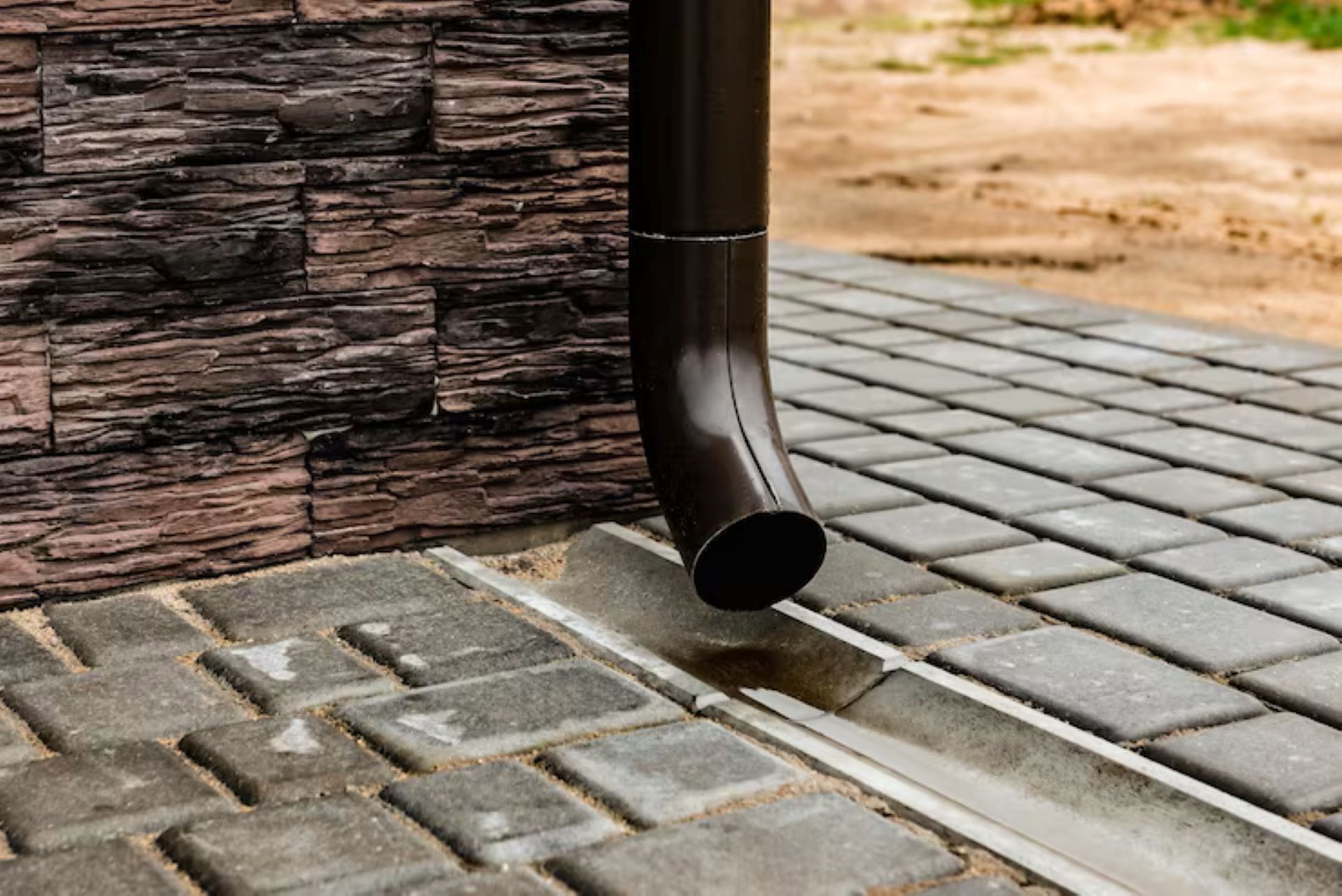
The job of a concrete splash block is simple but effective. It takes the focused stream of water from your downspout and spreads it out, guiding it a few feet away from the edge of a structure or garden. This improves runoff control during rain and helps protect soft soil in nearby beds.
Here’s what makes them helpful:
- They shape and slow down water flow directly under downspouts
- They keep runoff from digging into the soil around your foundation or raised beds
- They help prevent water from pooling near plant bases or creating muddy patches
By channeling the water with a splash block, you force it to move through a shallow path instead of splashing in place or soaking the same section of the yard over and over. Unlike thin trays or flexible piping, a concrete splash block stays steady even through heavy rain. That means water gets moved, not just spilled out somewhere else.
Using concrete splash blocks in a few smart spots can change how runoff behaves during storms. Garden beds that used to take on too much water stay dry enough to stay clean and grow strong.
Choosing the Right Placement for a Splash Block
Even the best drainage product does not do much without good placement. A splash block has to sit underneath the downspout and be pointed in a direction where water can move freely. That sounds easy enough, but in yards with tight corners, slopes, or nearby beds, a few small adjustments make a big difference.
Keep these placement tips in mind:
- Set the splash block directly where the downspout ends so the water hits the top of it
- Angle the block slightly downhill away from garden beds instead of toward them
- Do not place it where water would spill across a walkway, plant row, or flat patio space
If the area is flat or already soft, placing a bit of gravel underneath can help with drainage and keep the end of the splash block stable. For newer gardens, check that the block’s exit point does not push water too close to where delicate roots need dry soil between rains. A few minutes spent adjusting the angle now can save hours of fixing puddles and sagging soil later.
Keeping Drainage Low-Maintenance
The nice thing about concrete splash blocks is that they tend to stay where you put them. Unlike plastic trays or flexible piping, they have enough weight to resist being blown over or knocked out of place. That makes them easier on upkeep during the spring season. At Mr. Pavers, drainage-friendly materials such as gravel and rock are available in both bulk and smaller quantities, so you can fine-tune one downspout area or several garden beds at once.
Still, a little care goes a long way:
- Make it part of spring yard cleanup to check if mulch or leaves have covered parts of the splash block
- Remove any soil buildup that might block the water’s flow across the surface
- If the splash block has shifted during rain or been moved around, reposition it and test the flow again with a hose
Concrete does not wear out easily, so once the block is set right, it can stay put year after year. Do not forget to check for plants or turf growing up around the exit area, though. As gardens mature, foliage can shift the water path again, sending water back toward places it should not pool.
Stronger Roots, Cleaner Beds
Keeping garden beds healthy during spring storms is about giving roots the best chance to grow the way they should. Wet patches in the soil can throw off the balance between water and air, which leads to plants that look fine one week and drop leaves the next.
Splash blocks help give your plants a better shot at steady moisture. With runoffs pushed farther out and garden edges protected, the soil has a chance to dry properly between rain showers. That is the kind of small improvement that leads to stronger, longer-standing beds.
When the soil sits level, mulch stays clean, and beds hold their shape, the yard looks better for longer. We know that once spring starts rolling, time moves fast. Preparing for the early rains now keeps your outdoor work from being undone a few storms later. Sometimes all it takes is the right hardscape piece in the right spot to make that difference.
Planning ahead for spring maintenance makes all the difference in keeping your yard looking its best. Taking simple steps now helps direct water flow, protects your garden beds, and prevents future issues. We offer reliable solutions like concrete splash blocks designed to guide runoff where it belongs. At Mr. Pavers, we believe small changes can make yard care easier. Call us today to get the right drainage materials for your property.