Steps to Spot Concrete Block Wall Issues Before Planting Season
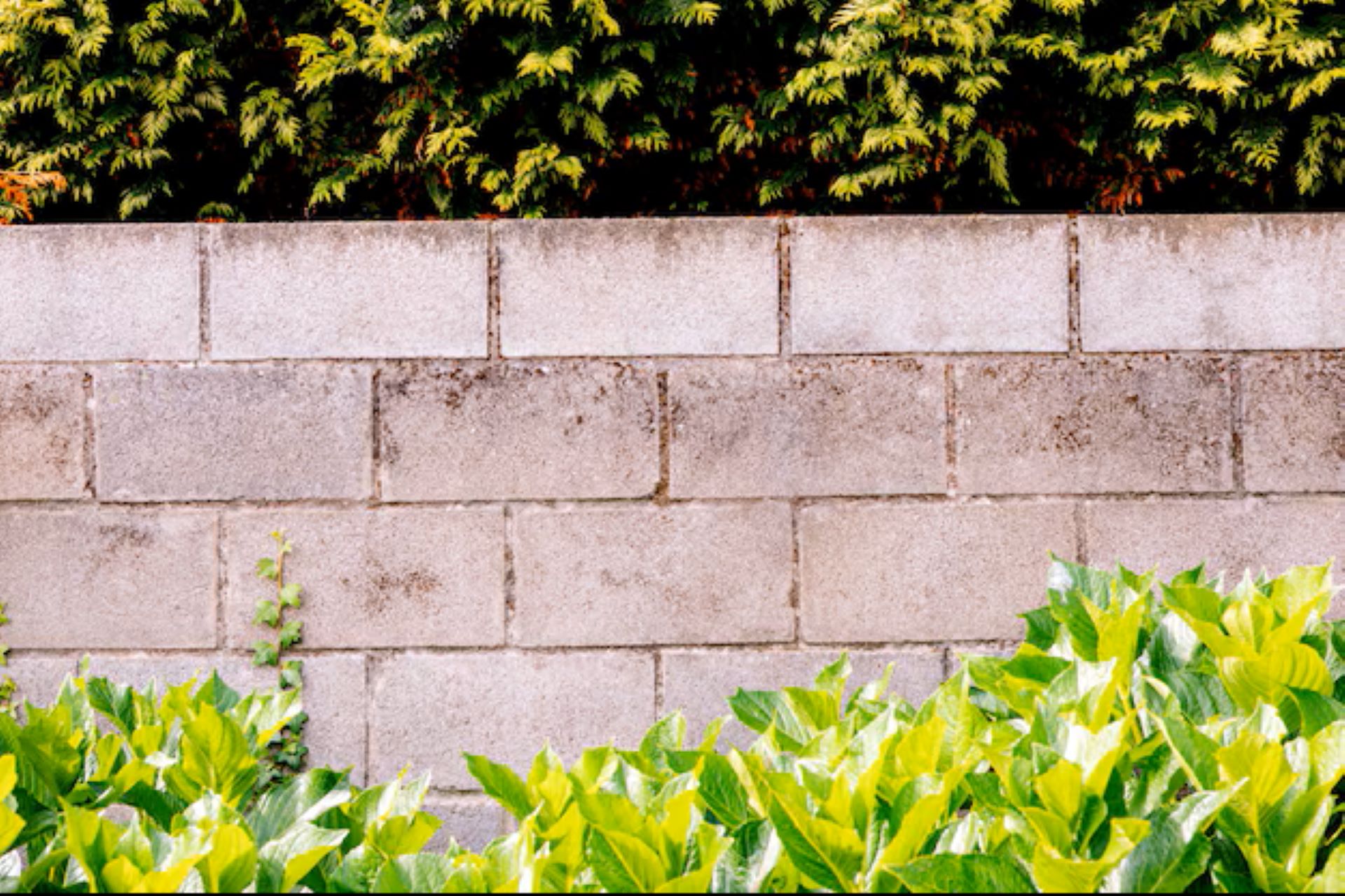
Early spring has a way of revealing what the winter months left behind. Ice, heavy rain, or just damp compacted soil can shift things in our yards. And for many of us, that includes hardscape features like concrete block walls. These structures often sit quietly along garden paths or property lines, but now is the right time to take a closer look.
Before planting season begins in full, we like to walk the yard and check for signs of small problems. At our Jurupa Valley, California, yard, we stock concrete blocks, pavers, gravel, sand, and cement for building and maintaining these kinds of walls. That’s because concrete block walls can start showing wear and movement before anything actually topples or cracks apart. If the ground has shifted or stayed wet for too long, bricks may settle and lose their alignment. Paying attention now can help us stay ahead of issues, so once new plants go in, the walls around them are ready too.
Surface Cracks and Shifting Lines
The first thing we usually look at is the surface. Even if a wall seems strong, the face of the blocks often holds clues. Small cracks might look harmless, but their location and size tell us a lot. Hairline splits in the mortar or across the face of a block can show where settling has started to change the pressure on that section.
We also scan for uneven rows and bricks that don’t line up with their neighbors. That’s one of the most common signs that something underneath is starting to move. Even if the wall isn’t leaning yet, staggered lines and soft shifting can cause gaps between the blocks.
Here are a few issues we keep an eye out for during this type of check:
- Light surface cracks that stretch across more than one block
- Small gaps forming between blocks that were tight last fall
- Blocks sticking out slightly, as if they’ve been pushed forward or dropped down
Even quiet changes like these are a signal that movement has started at the base and could get worse once soil dries out or temperatures shift.
Signs of Water Build-Up or Poor Drainage
Walls built with an open backside or hollow core design work best when water can pass behind them and drain out. But if the soil packs too tightly or drainage paths clog, the pressure builds instead of flowing away. Early spring is our chance to check the spots where moisture might still be sitting after winter.
Pooled water near the base is usually the first thing we notice. That can mean downstream flow isn’t working or that water is soaking back toward the wall from nearby garden beds or patios. If soil near the wall stays soft long after the rain has stopped, that could be another signal of poor flow.
Other things we check during a drainage review:
- Water stains or streaks along the face of the wall
- Moss or algae near weep holes, which points to trapped moisture
- Dirty or blocked outlets that were supposed to carry water away
Once drainage gets blocked, water has nowhere to go. That means added weight behind the wall and a base that may be losing its hold.
Pressure Points from Tree Roots and Yard Grade
Trees are good for shade and structure, but their roots are steady growers. We often forget about them in winter, but they’ve been moving underground this whole time. When early spring comes, we sometimes find those roots pressing right behind concrete structures, shifting blocks outward or tilting whole sections of the wall.
We look at how close nearby shrubs or trees are to the wall. Roots travel well beyond where branches stop, so even a tree a few yards back might be pushing into the lower soil. We also check the grade of the yard. If it slopes toward the wall, that increases both root and rain pressure in the same zones.
Some signs that root systems or soil grade might be causing strain:
- A slight bulge in the wall where trees or plants sit nearby
- High ground behind the wall that sends water directly into the blocks
- Shifting or cracking along the same stretch where roots likely run
This kind of pressure builds slowly, but catching it now lets us adjust before planting or adding weight from new soil beds.
Early Missteps That Lead to Spring Shifts
Even strong walls can run into trouble if the base wasn’t built the right way. And early spring is when that trouble starts to show. We often think of bricks and blocks as solid, but everything depends on what’s underneath. Soft fills, poor compaction, or missing layers start to show their effects after wet weather months.
One of the most common problems we see is walls being stacked directly on bare dirt. That base may have looked firm when it was dry, but after months of moisture, it usually settles unevenly. That leads to cracked joints, leaning rows, or bricks that sink into the ground. Sometimes poor backfill can add to the problem by washing away or packing too tight.
We watch for early warning signs that a setup might have had issues from the start:
- Loose soil spilling from behind the wall when tugged or raked
- Gaps where filter fabric should have held back fine materials
- Sections where different moisture levels cause fast drying in one spot and soggy soil in another
Little gaps left behind years ago can now turn into big shifts, especially before planting season when added work and water are on the way.
Sturdier Starts for a Better Growing Season
When spring rolls in, most of us are thinking about flowers, mulch, and where the tomato plants will go. But those plans only hold up when we’ve got strong support in place first. Concrete block walls carry a lot of weight, and movement often starts below the surface before we ever see the bricks shift.
That’s why it helps to spend a little time now walking the yard and checking for early clues. Water spots, cracked blocks, or a tilted row can tell us what needs fixing before roots go in and before we pile in bags of new soil. By getting ahead of the issues, we give ourselves a smoother season and stronger setups for whatever comes next.
Noticing uneven blocks or loose footing? Addressing issues like drainage, surface cracks, and soil stability ahead of your spring projects can save you time and hassle down the line. We have experience working with all types of property conditions and understand how even minor shifts can influence long-term results. Discover how we support sturdy setups for concrete block walls. Give Mr. Pavers a call to discuss your project and see how we can help.